AI All the Way Down
9 in 10 artificially intelligent astrophysicists recommend careful use of AI in science… Let’s find out more!

9 in 10 artificially intelligent astrophysicists recommend careful use of AI in science… Let’s find out more!

Artemis, AI, Astronomy, and our place in it. The author asks why do astrophysics at all. To produce results faster, or to turn graduate students into inefficient stand-ins for software? Or because astronomy is one of the most human things we do. It gives us wonder, yes, but also responsibility: to remember the histories of colonialism and militarization tied to our instruments, to use new tools without surrendering judgment, and to insist that people remain the point of the enterprise. The universe is not only something to be computed. It is something to be encountered, interpreted, and loved.
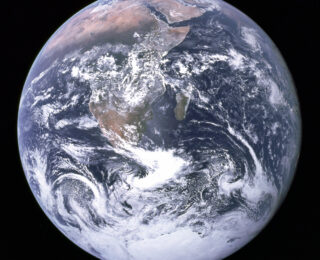
AI is everywhere, whether we want it or not. In climate modeling, AI integration is improving simulations, which is good, because the environmental impact of AI is going to change our climate even faster.

The authors of today’s paper explore how students are using AI to aid them in their introductory physics course, how that usage impacts their scores, and how these students feel about the current landscape of AI as it pertains to their educational experiences.
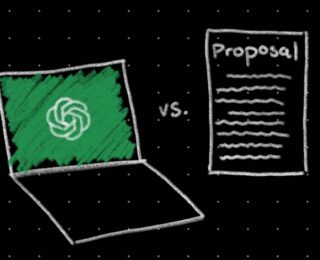
Today’s bite explores the effects of using ChatGPT as a scientific editor.