
Astromania: The Astronomy Card Game
Introducing the new game ‘made by astronomers, for everyone’!

Introducing the new game ‘made by astronomers, for everyone’!
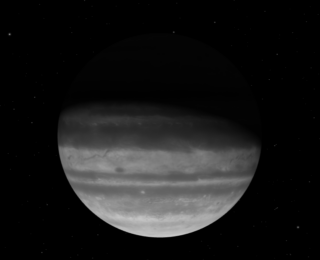
Of all the planets I have encountered in my travels, this one was… lousy stellar activity!
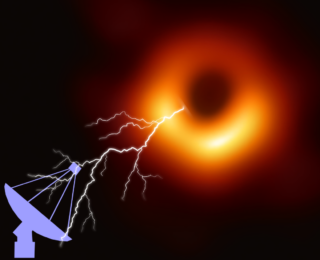
We have a new EHT image of a supermassive black hole, but that’s not all! Today’s paper gives us a multiwavelength view of M87 during a gamma-ray flare.
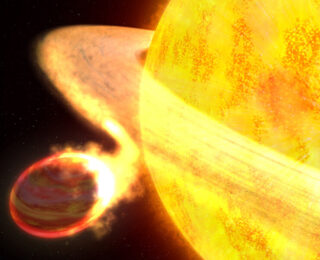
Close-in planets are expected to have shrinking orbits. Catching a planet decay on its way to the warm embrace of its star is however impressively difficult.
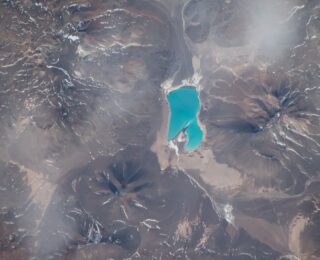
As part of our Undergraduate Research series, Juliana Meurer discusses her research combining astronomy, biology, and ecology!
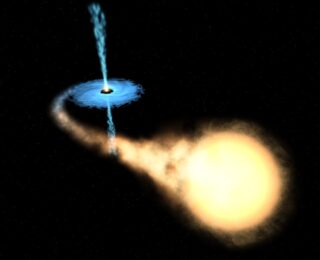
In today’s bite, the authors use simulations to explore turbulence a possible mechanism for the observed x-ray emissions in the coronae of black holes.