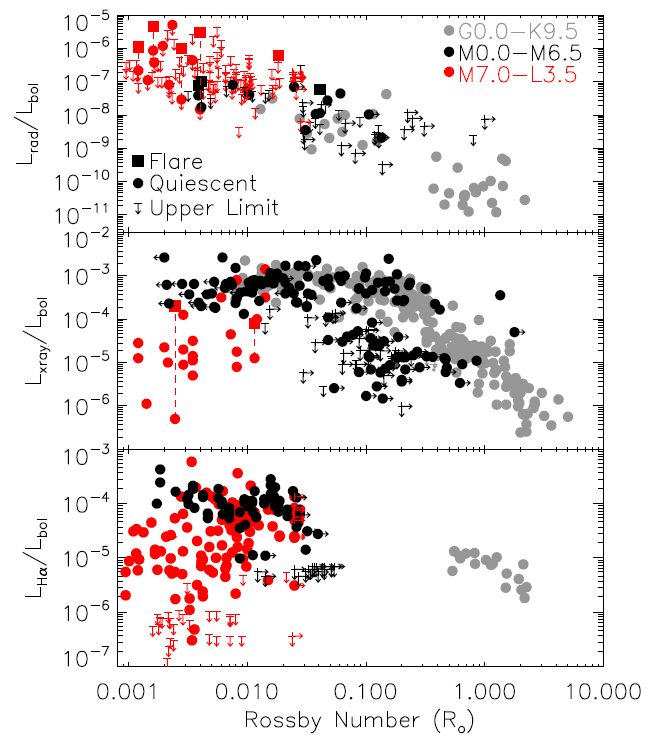
The Radio Activity-Rotation Relation of Ultracool Dwarfs
McLean et al. observe a new sample of late-M and L dwarfs with the Very large Array to search for a relation between rotation rate and radio activity for ultracool dwarfs.

McLean et al. observe a new sample of late-M and L dwarfs with the Very large Array to search for a relation between rotation rate and radio activity for ultracool dwarfs.
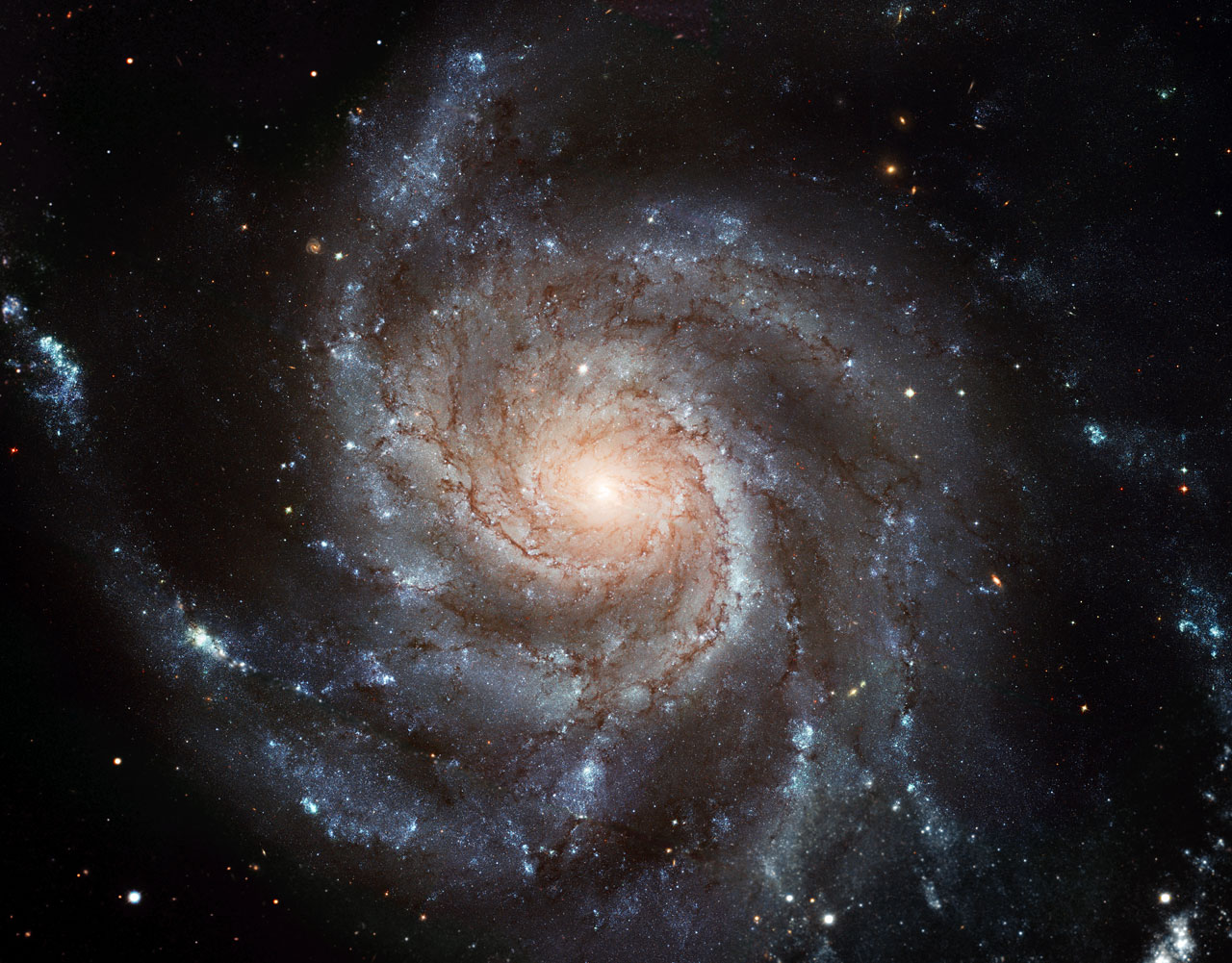
Astronomers who specialize in galaxies and galaxy evolution have started to weigh in on habitability from a completely new perspective. Instead of trying to determine the zone around a star where an orbiting planet could sustain life, they are modeling the zones within the galaxy where planets that harbor complex life would be most likely to form. They dub this zone the Galactic Habitable Zone, or GHZ.

Habitable exomoons appear all over science fiction, but could they exist in real life? Could we detect them if they did?
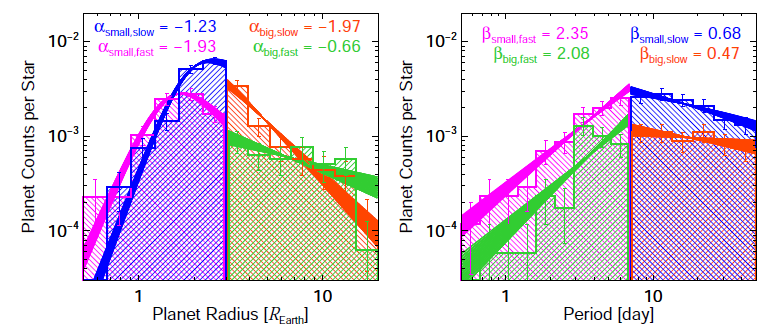
What does the Kepler data tell us about the number of planets per star and the distribution of planets in radius and orbital period? Andrew Youdin addresses that question by considering the selection effects in the Kepler sample and fitting a joint powerlaw in radius and orbital period.
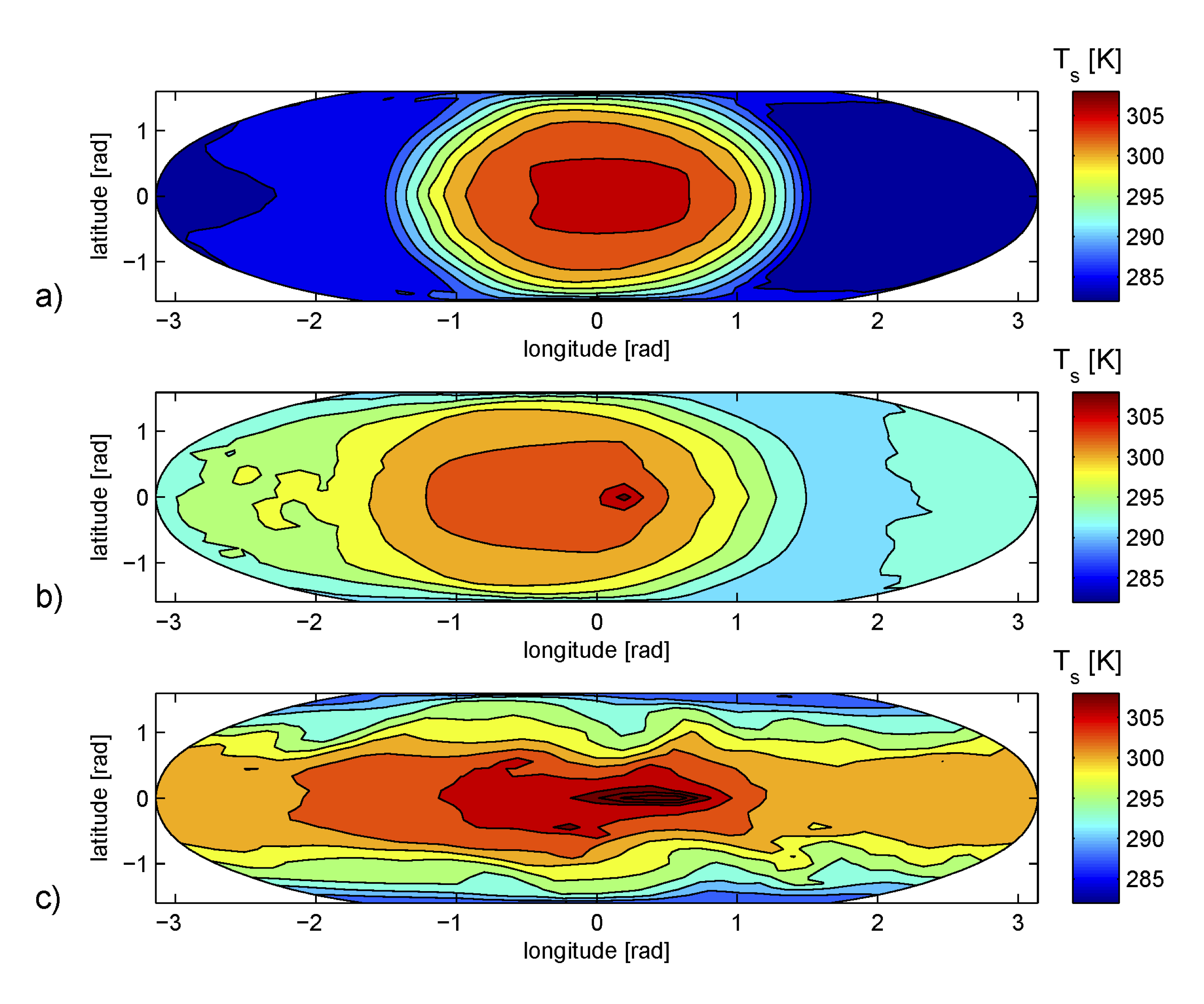
One of the important goals of exoplanet science is to discover habitable planets that have the necessary conditions for life to form and thrive. Such planets will exist within the ‘habitable zone’ of a star. In this paper, the authors present Global Circulation Models which suggest that Gliese 581d could be in the habitable zone if it has a thick carbon dioxide-rich atmosphere.
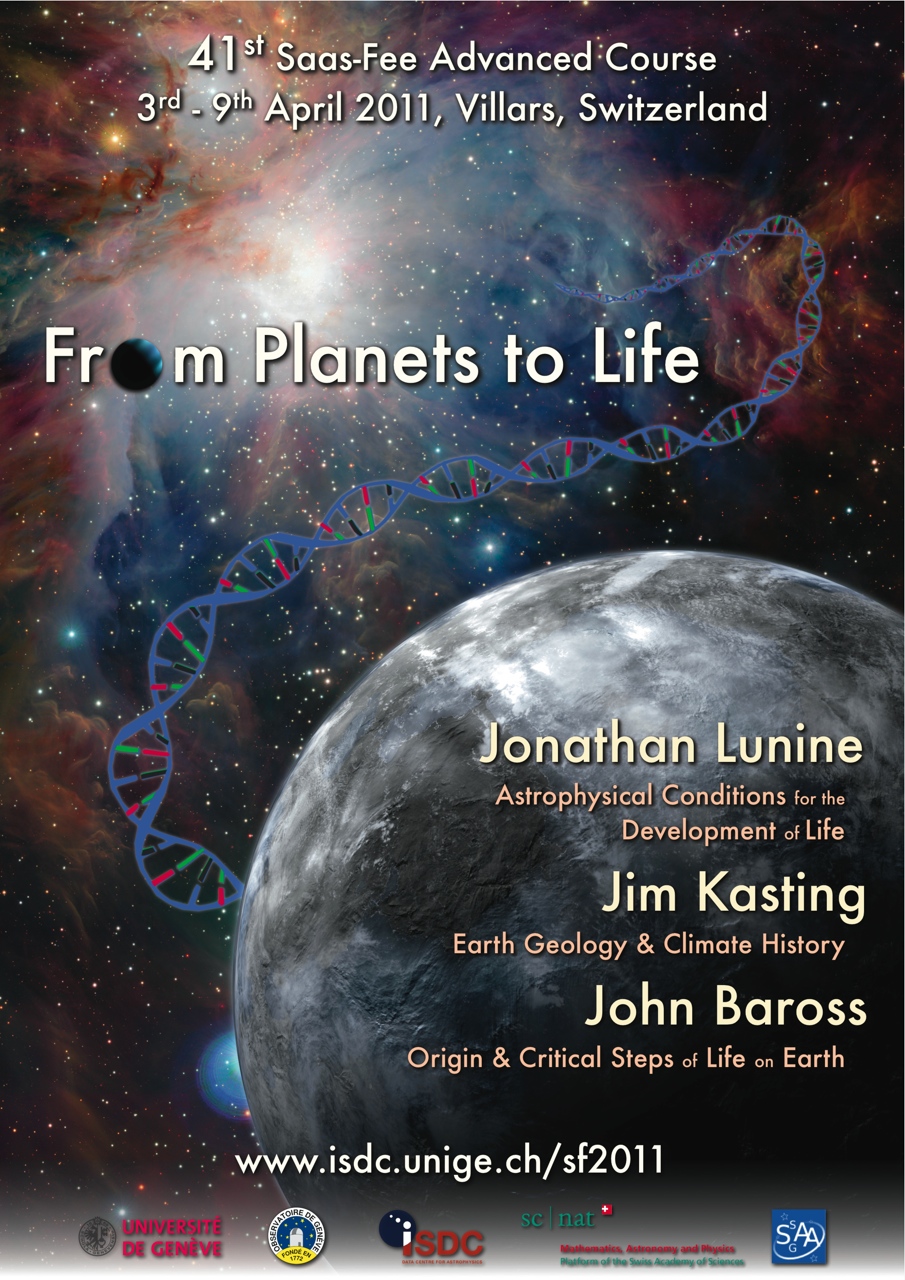
Sukrit and I just got back from the Saas-Fee astrobiology course. We learned about deep-sea life, the evolution of Earth’s atmosphere, the search for life on Titan, and more.