by Gourav Khullar | Aug 14, 2017 | Daily Paper Summaries
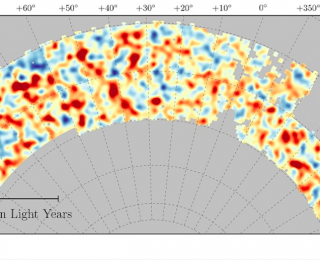
Today’s paper constrains cosmological parameters from one of the largest ground-based astrophysical surveys ever undertaken – DES. An insight into their first-year’s data analysis, released in August 2017.
by Elisabeth Matthews | Aug 10, 2017 | Daily Paper Summaries
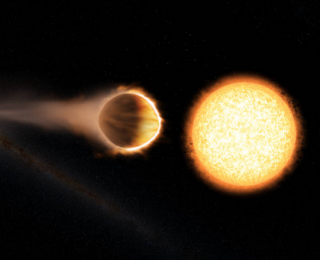
If you thought the weather on Earth was wild, think again: today we’re discussing the climate of WASP-121b.
by Ingrid Pelisoli | Jul 17, 2017 | Daily Paper Summaries
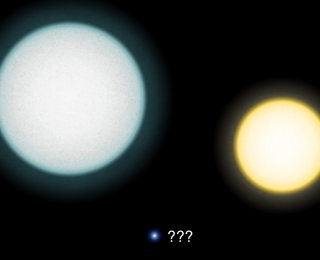
The accuracy of our estimates of the radii of white dwarf stars has important implications to cosmology. We currently rely on a theoretical mass-radius relationship for that. Are we doing a good job?
Image credits: RJHall/Wikimedia Commons.
by Gourav Khullar | Jul 12, 2017 | Classics
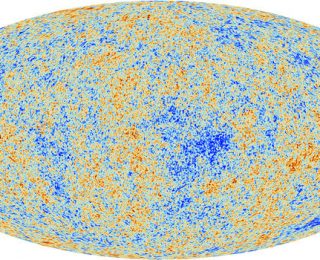
Today’s paper takes you back to the time when anisotropies in the Cosmic Microwave Background first shaped Observational Cosmology into the field it is today.
by Mara Zimmerman | Jun 26, 2017 | Daily Paper Summaries
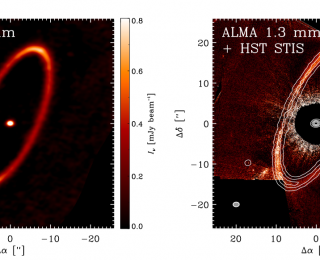
Folmahaut’s debris disk has been observed to have an unusual brightening in millimeter wavelengths.
by Ingrid Pelisoli | May 29, 2017 | Daily Paper Summaries
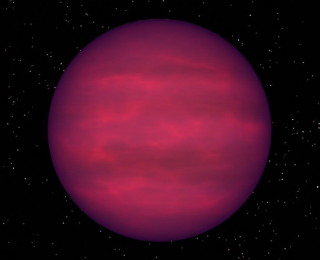
Brown dwarfs are objects below the mass limit to become a star. It’s been less than 20 years since we’ve detected the first one. Can citizen science help us increase our numbers?
Image credits: R. Hurt/NASA
