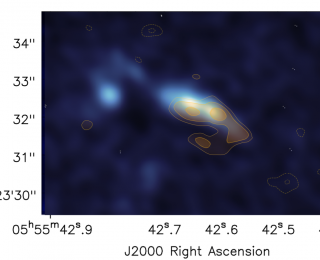
Catching Galactic Recycling In The Act
This little galaxy is churning out the ingredients necessary for planets and life at a frantic pace. New observations reveal the sharpest view yet of this cycle of gas and stardust.

This little galaxy is churning out the ingredients necessary for planets and life at a frantic pace. New observations reveal the sharpest view yet of this cycle of gas and stardust.

HAT-P-11b is a Neptune-size transiting exoplanet with water in its atmosphere. Here we discuss the first detection of its secondary eclipse.
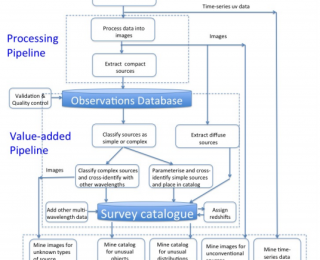
The majority of groundbreaking astronomical discoveries are completely unexpected. With a multitude of next-generation telescope surveys being planned or under construction, how can we maximize our chances of coming across these serendipitous finds?
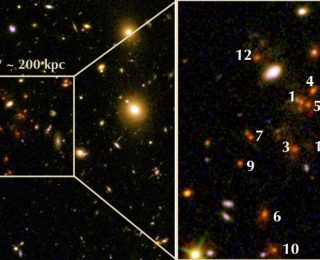
While ClJ1446 is smaller and less massive than most present-day clusters, it is probably very similar to what they looked like 10 billion years ago. Therefore, this work can help improve our understanding of how our nearby galaxy clusters likely evolved.
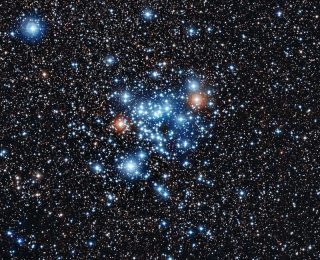
There’s an unexpected population of blue stars identified in clusters, known as blue stragglers. They should have evolved off the main sequence, but some rejuvenating process is in action, keeping them there longer than expected. Their origin and evolution is not fully understood. Today’s paper tackles these two issues, identifying some possible answers as to where these blue straggler stars come from and where they are going.
Image credits: ESA/Hubble
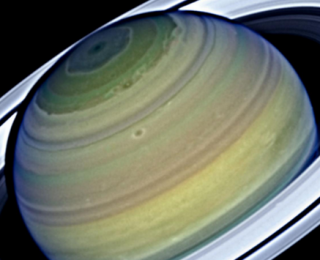
A new look at Saturn’s windy weather.