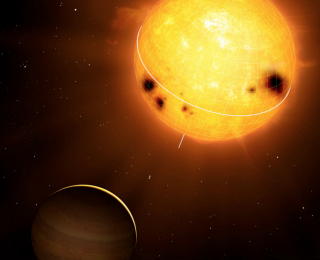
Uncovering planets and stellar activity using only radial velocities
How do we model stellar activity to disentangle planet signals from stellar activity using only RVs?

How do we model stellar activity to disentangle planet signals from stellar activity using only RVs?
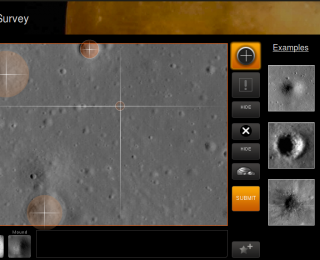
Crowdsourcing provides a cheap and efficient way for astronomers to analyze features on the lunar surface.
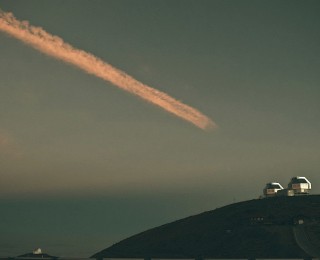
Unlike most astrophysicists today, this one did go observing for a change. And what he finds there is out of this world. Literally.
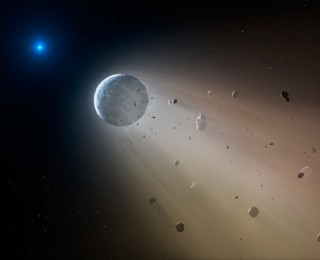
Astronomers may have finally observed the event that explains polluted white dwarfs and their debris disks.
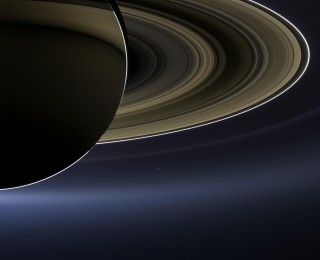
How can we find other pale blue dots? Today’s paper studies what could be the most time-effective way to search for Earth-like exoplanets, just by looking at their colors.
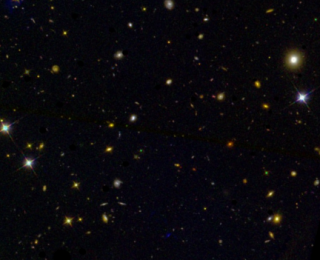
Preliminary results from a new survey looking for ultra-bright galaxies in the early universe.