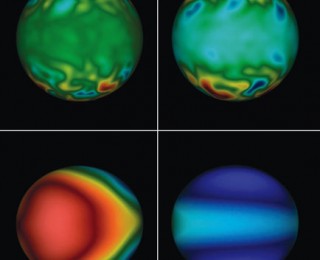
The Study of Climate on Alien Worlds
“Characterizing atmospheres beyond the Solar System is an endeavor no longer confined to the realm of science fiction.”

“Characterizing atmospheres beyond the Solar System is an endeavor no longer confined to the realm of science fiction.”
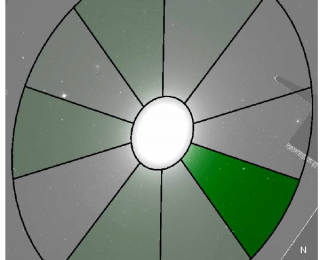
We think many galaxies we see today had mergers and interactions in their past, but how can we know for sure? Bonfini et al. look to evidence from a subtle pattern in the distribution of globular clusters in NGC 4261.
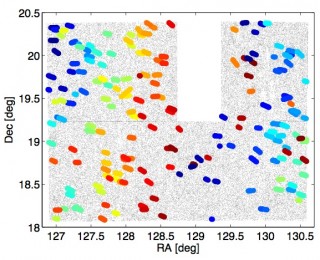
Sounds like a simple question. When you go out and look at the stars at night with your naked eye, you might be able to pretty easily sort out which stars are the brightest, which are the faintest, and come up with some ranking of them for those in between. Now, do this with telescopes…
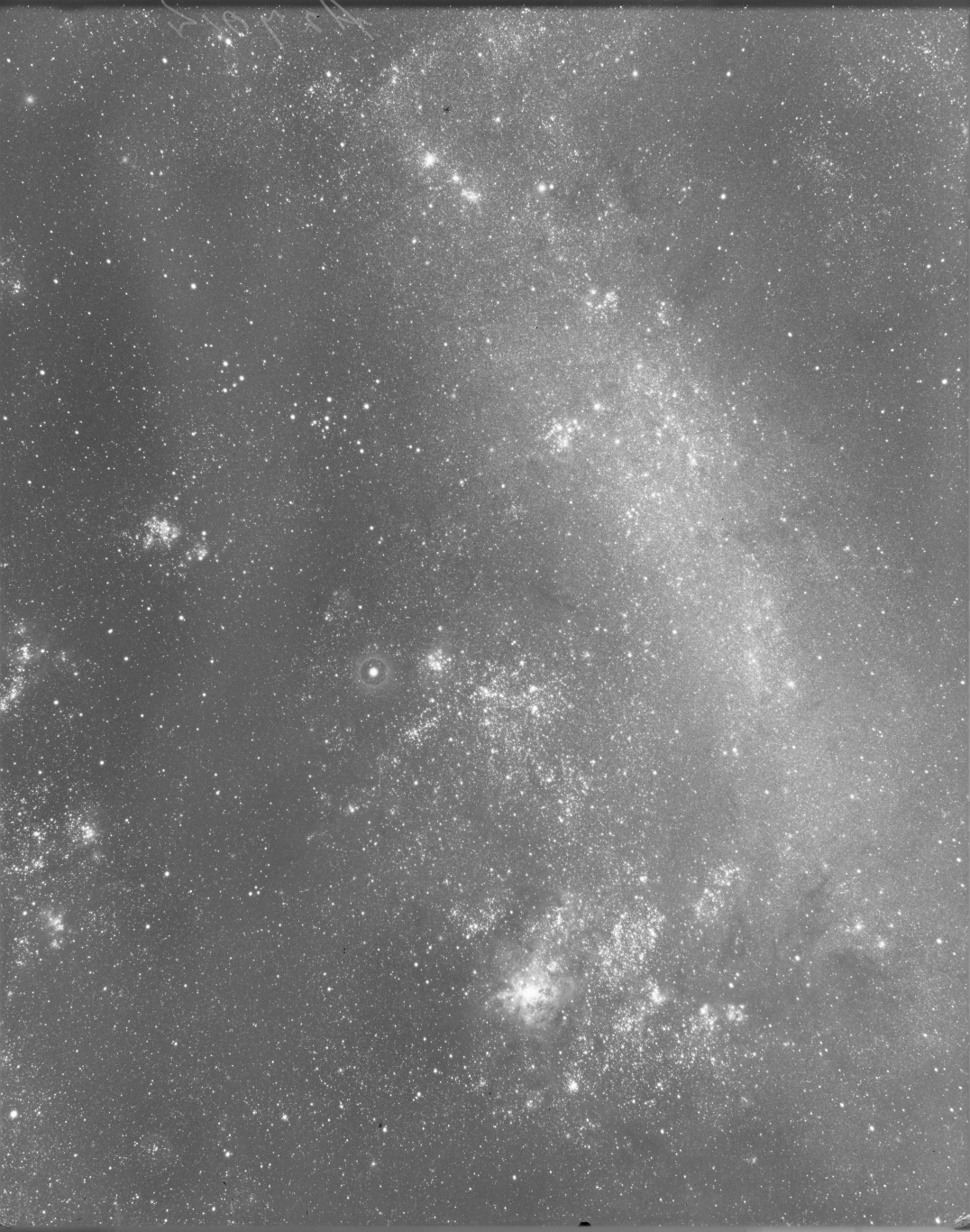
How do stars vary on a hundred year time scale? The DASCH (Digital Access to a Sky Century @ Harvard) Team has been looking back at data taken over the last century in order to answer this question. This paper reports the most recent DASCH discovery, which concerns the star KU Cyg. This is an eclipsing binary system in which a more massive F star is gaining mass from a red giant. The authors noticed a 0.5 magnitude drop in the brightness of the star around 1900 that lasts for five years.
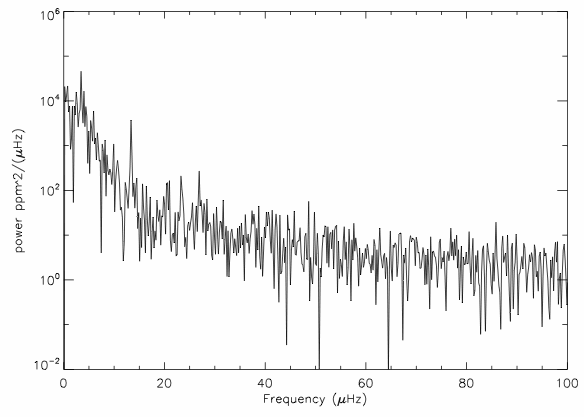
Stellar variability has received more attention recently due to the problems it poses in the detection of exoplanets; however the study of variability is a field of its own. What causes activity? How does magnetic activity vary with different stars? This paper looks at results from the CoRoT satellite (for Convection, Rotation and planetary Transits), which was launched in December of 2006. This paper is concerned with the long-term photometric microvariability of stars and how stellar activity relates to rotation period and temperature.