48th DPS/11th EPSC Meeting: Day 1
We report on Day 1 of the DPS meeting in Pasadena, CA. Highlights include updates from the Rosetta mission, the latest outlook on Venus, what we learned from New Horizons, and what MAVEN tells us about Mars.

We report on Day 1 of the DPS meeting in Pasadena, CA. Highlights include updates from the Rosetta mission, the latest outlook on Venus, what we learned from New Horizons, and what MAVEN tells us about Mars.
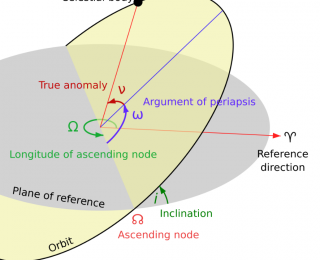
Spinning stars can potentially double the number of seasons that a planet experiences due to surface temperature variations on the stellar surface.
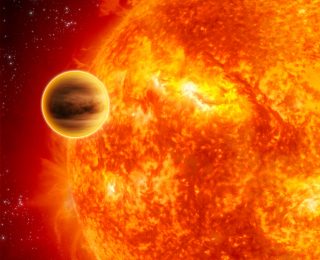
On KELT-16b you would melt. I would melt too. A look at an exciting and newly discovered Hot Jupiter, and why KELT-16b is a valuable addition to the group of boiling gas giant planets, and a fantastic target for future atmospheric studies.
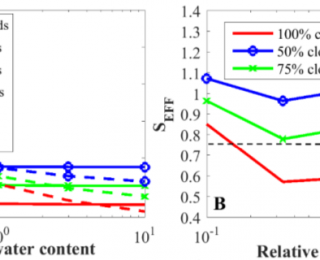
Early in its history, cloudy weather could have helped Mars retain enough heat for liquid water to exist on its surface.
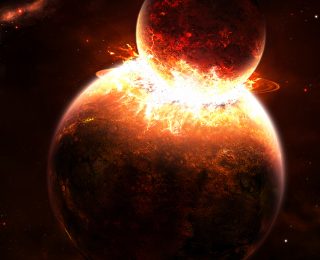
Earlier than one billion years ago, Earth’s magnetic field had to be driven differently than today. But how? And what can we learn from this about magnetic fields on exoplanets?
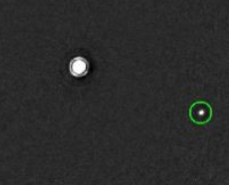
What can we learn from the lack of giant planets found at wide separations?