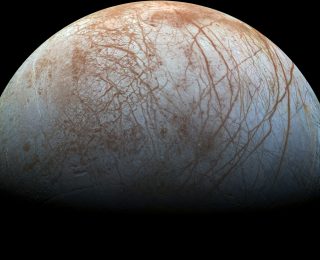
Water worlds – self-arrests, thermostats and long-term climate stability
Water worlds – do they exist? Or is there an omnipotent self-regulation mechanism which makes terrestrial planets look like Earth?

Water worlds – do they exist? Or is there an omnipotent self-regulation mechanism which makes terrestrial planets look like Earth?
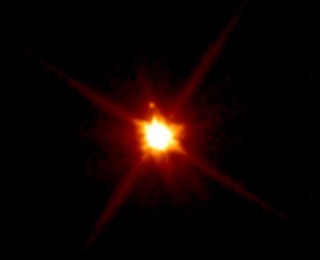
There’s so much to see in the Universe that we can forget there are still things to discover in our own neighborhood. The authors of today’s paper decided to search the Solar System a bit further, and made a very interesting discovery around the dwarf planet Makemake.
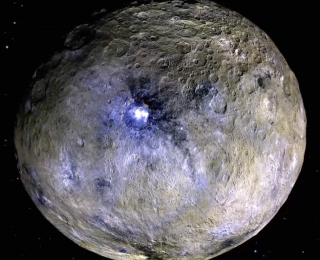
The first asteroid ever discovered is serving up scientists a new set of firsts. The shiny patches that bespeckle its surface suggest there’s more to Ceres than meets the eye.
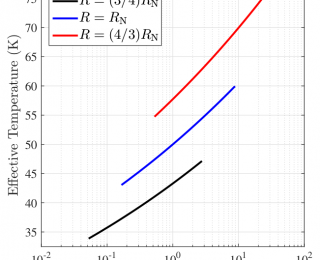
Simple physical models can yield useful insights into the structure of planets in the outer Solar System.
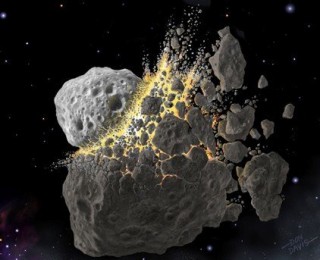
Meteorites originate from violent collisions between asteroids. But can we be sure about that? And what can we learn at all if we do not include ekpyrotic brane cosmologies?
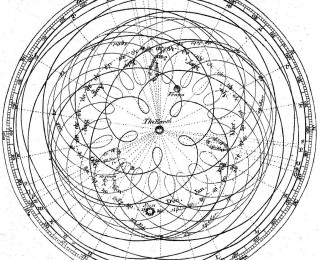
By building a simulation that goes from the scale of galaxies down to individual rocky planets we come to the realization that the earth is unremarkable, but far from typical, challenging our Copernican world view.