by Dan Gifford | Jan 27, 2011 | Daily Paper Summaries
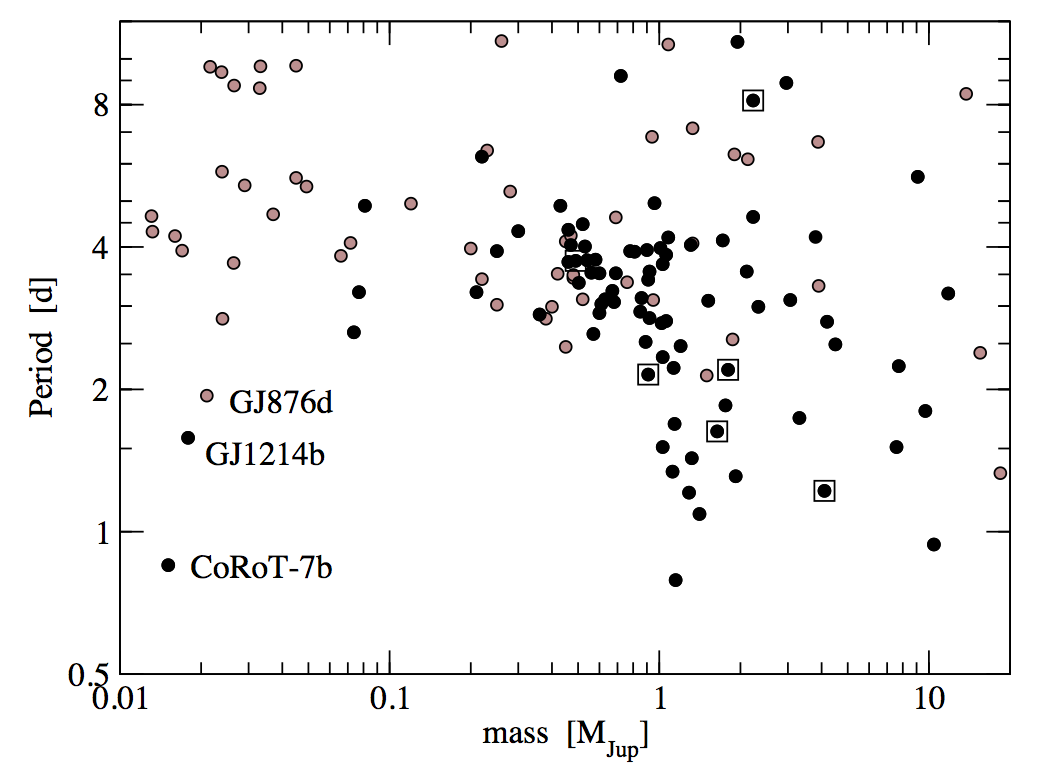
One of the most exciting and fastest growing subfields of astronomy is the detection and study of extrasolar planets. The authors of this paper seek a physical explanation for a noticeable “step” in the mass-period distribution of short-period planets by running several hydrodynamic simulations.
by jsureshcfa | Jan 25, 2011 | Daily Paper Summaries
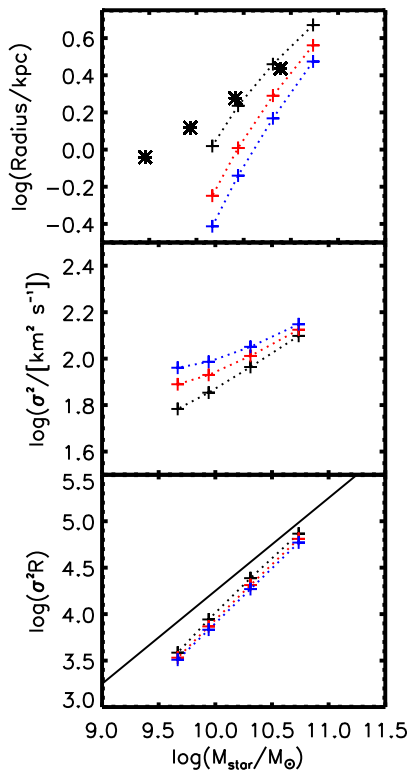
Dissipative effects due to gas friction during galaxy mergers may be a crucial ingredient in the process of elliptical galaxy formation.
by Elisabeth Newton | Jan 21, 2011 | Daily Paper Summaries
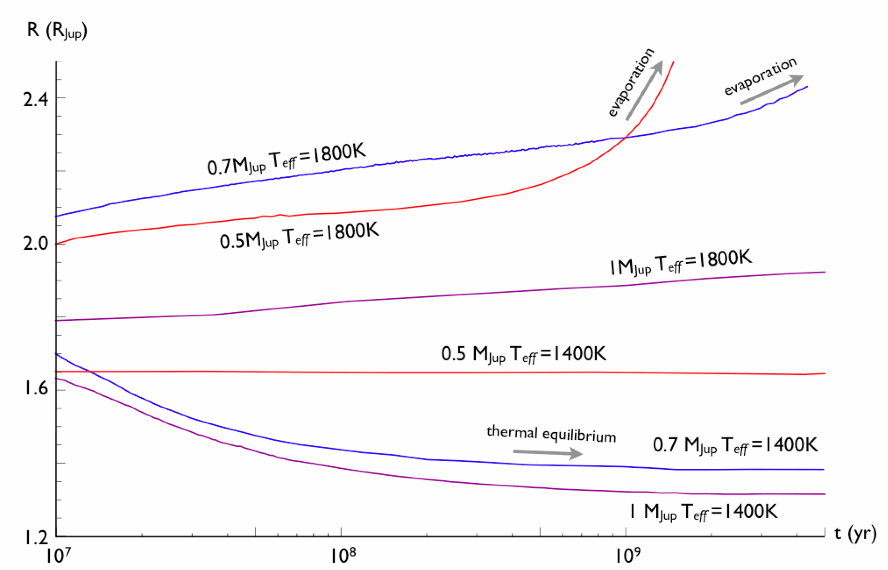
Dozens of the transiting exoplanets discovered to date have radii that are significantly larger than expected, leading astronomers to refer to them as puffy or inflated. Although tidal heating has had some success modeling puffy planets, these authors continue work on a new mechanism which employs planetary magnetic fields.
by Nathan Sanders | Jan 18, 2011 | Daily Paper Summaries
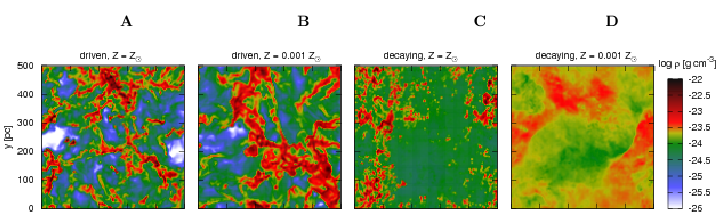
Incorporating all the effects relevant to star formation into accurate simulations of the interstellar medium is a major frontier in astrophysics. These authors start to tackle the effects of chemical composition.
by Nathan Sanders | Jan 12, 2011 | Daily Paper Summaries
Assuming every star in a cluster has the same age and metallicity is a powerful simplification, but it may not be true.
by Elisabeth Newton | Jan 11, 2011 | Personal Experiences
I’m here for the winter meeting of the American Astronomical Society (AAS), which started last night with a kick-off event. In my posts on AAS, I will report on some of the talks I’ve attended. Most of them will be on exoplanets, since this is the field I am beginning research in.
