by Dan Gifford | Feb 18, 2011 | Daily Paper Summaries
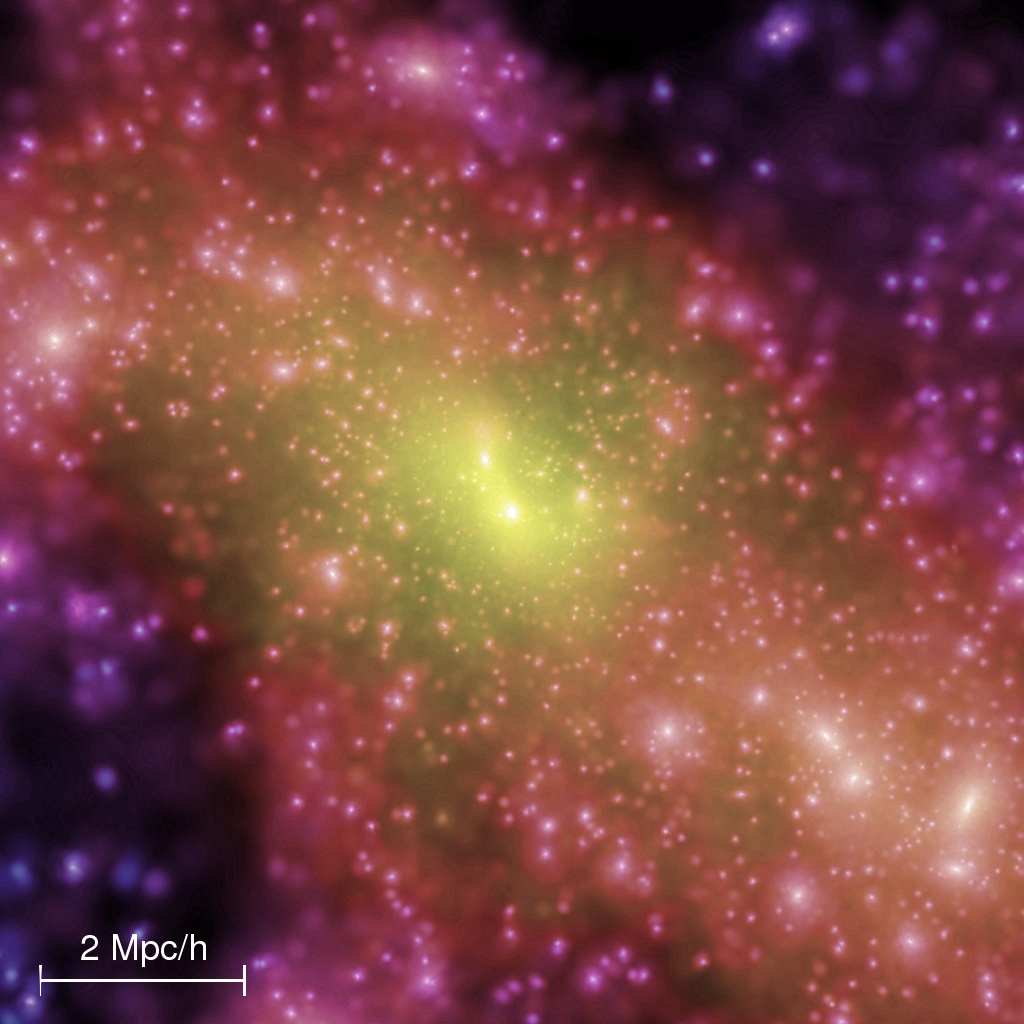
Many simulations of our universe result in a similar discrepancy with current observations. The simulations predict an abundance of subhalos around galaxies the size of our Milky Way which are an order of magnitude higher than observations suggest. This paper tackles the issue of detecting these presumably faint subhalos by analyzing the effects they might have on streams from globular clusters and other satellite galaxies we know to exist.
by Elisabeth Newton | Feb 13, 2011 | Daily Paper Summaries
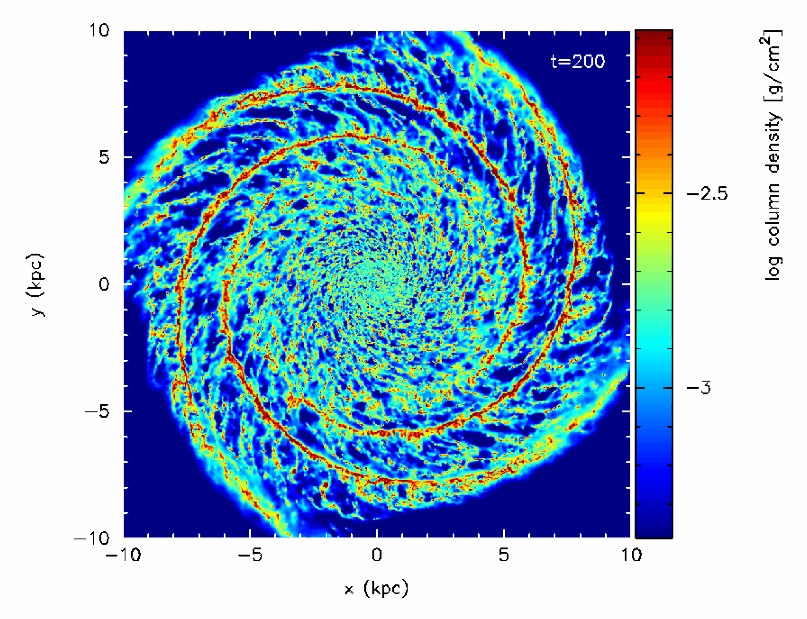
In this paper, Dobbs, Burkert & Pringle suggest that most molecular clouds are not gravitationally bound, as is often assumed. They present simulations in which stellar feedback and collisions between clouds play a prominent role.
by Courtney Dressing | Feb 8, 2011 | Daily Paper Summaries
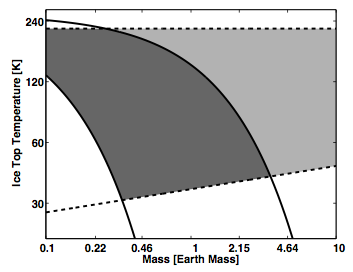
Could some of the planets ejected from planetary systems during formation harbor potentially habitable subglacial oceans? Abbot & Switzer suggest that they could.

by jsureshcfa | Feb 7, 2011 | Daily Paper Summaries
Magnetic fields can get hugely amplified when gas clouds gravitationally collapse. The authors of this paper explore gravitational collapse using MHD simulations and argue for a new resolution requirement in order to properly resolve magnetic dynamo action on small scales.
by Nathan Sanders | Feb 1, 2011 | Daily Paper Summaries
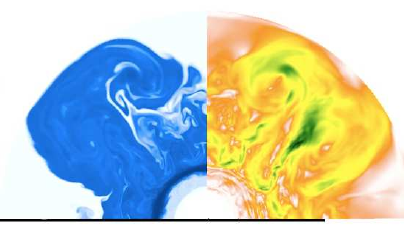
Supernovae are vitally important in the chemical and dynamical evolution of galaxies, but we don’t yet fully understand the physics that produce these explosions. This new work simulates the turbulent instabilities in a star at the brink of core-collapse.
by Courtney Dressing | Jan 28, 2011 | Daily Paper Summaries
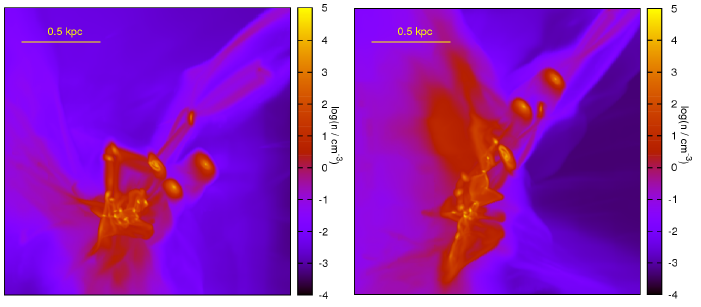
One of the big mysteries in astrophysics is the formation of the first stars. This simulation presents one possible formation mechanism for ancient stars.
