Zig-zagging across the universe
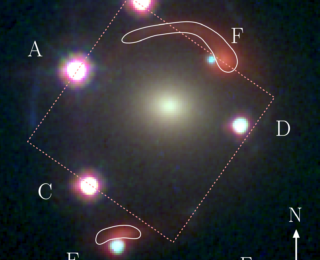
What’s better than a single gravitational lens? A double gravitational lens! Learn about how light from a distant quasar zig-zags across the universe because of the first double gravitational lens to be observed!

What’s better than a single gravitational lens? A double gravitational lens! Learn about how light from a distant quasar zig-zags across the universe because of the first double gravitational lens to be observed!

Bundle up – we’re taking a look at some cool simulations of cluster cold fronts.
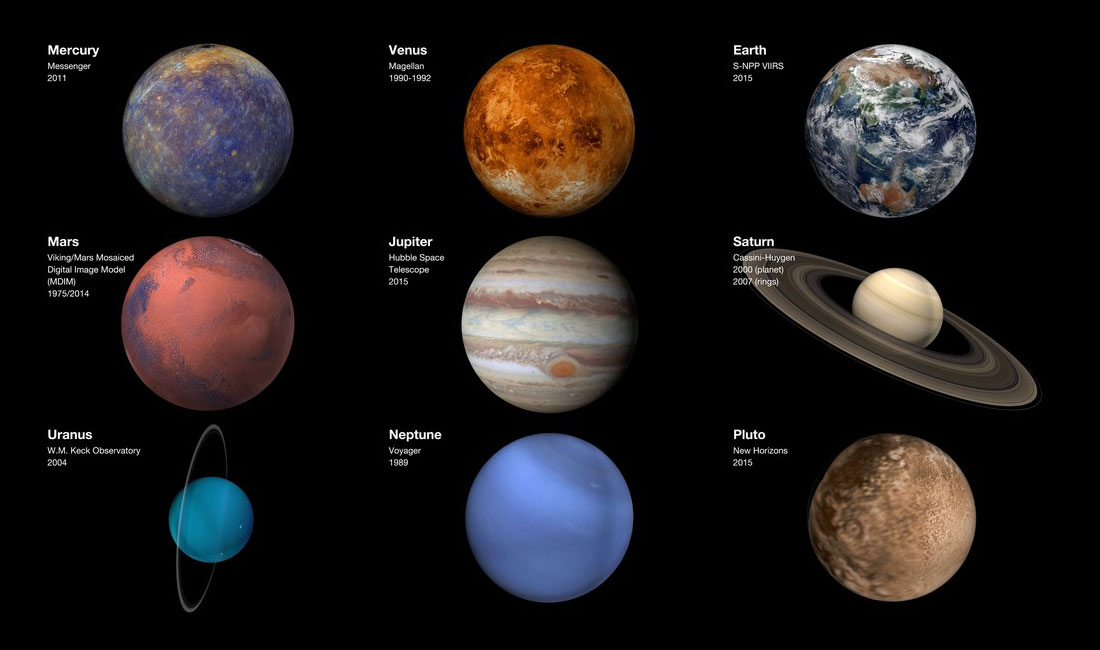
We have not found a Solar System analog, but upcoming missions stand to discover more and more multi-planet systems. We can begin to understand these systems by asking: what would our own Solar System look like to distant observers?

The Kepler dataset appears to be split between single planet systems and multi-planet systems. Could this be because systems become dynamically hot over time?

This bite summarizes results from a recent study that explores the possibilities of the formation of planetary systems composed solely of minor planets.
Could galaxy clusters be the new plastic lawn decor trend for fall?