Shining (the wrong?) light on Self-Interacting Dark Matter
Dark matter is very hard to study because, well, it’s dark. Today’s authors explore how the light we can see in galaxy clusters might not trace dark matter as well as we thought.

Dark matter is very hard to study because, well, it’s dark. Today’s authors explore how the light we can see in galaxy clusters might not trace dark matter as well as we thought.
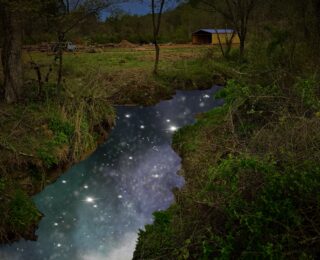
Stellar streams are exciting probes of galaxy evolution, and today’s authors are confident we’ll soon be able to find even more!

During a phase of planet formation, planetary embryos interact, collide, and/or combine to form the surviving planets we know and love. Simulating this phase is computationally challenging, but could machine learning help out?
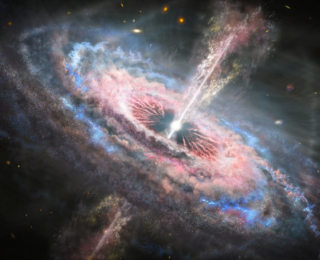
Today’s paper focuses on some interesting results (and gorgeous figures!) on the nature and structure of AGN-driven outflows in galaxies.
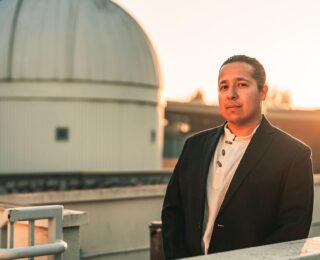
For today’s bite, we sat down for a conversation with Professor Jorge Moreno, the fourth Mexican astronomer to earn tenure at an American university!
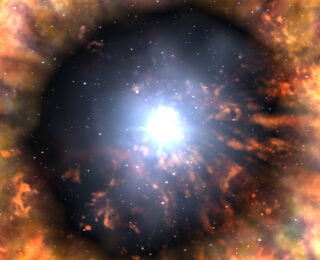
Today’s authors present some new insights into how stars explode!