
by Lauren Weiss | Oct 6, 2011 | Daily Paper Summaries
Several weeks ago, the OPERA experiment announced that they had measured neutrinos travelling faster than the speed of light. The neutrinos, which traveled from CERN to the Gran Sasso Laboratory, arrived at the detector 60 nanoseconds earlier than light (with statistical errors of 6.9 ns and systematic errors of 7.4 ns).
by Evan Schneider | Oct 5, 2011 | Daily Paper Summaries
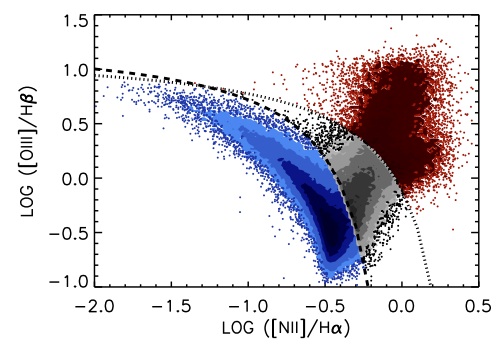
This paper describes a new diagnostic that separates galaxies from AGN at much higher redshifts than the traditional BPT diagram.
by Dan Gifford | Oct 4, 2011 | Daily Paper Summaries
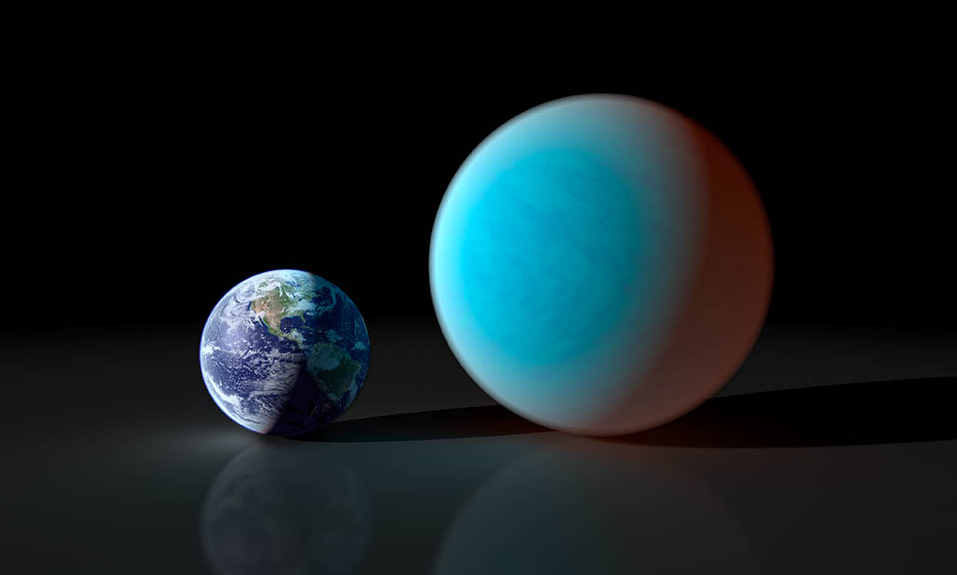
Spitzer chugs away in ‘warm’ mode to lend new results to a very mysterious “super earth” orbiting close to its host star.
by Nathan Sanders | Oct 3, 2011 | Daily Paper Summaries
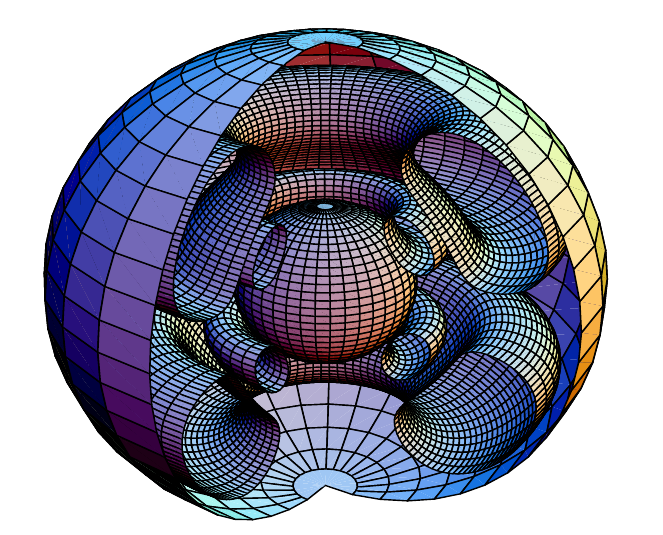
What aspects of a star’s life are affected by its rate of rotation? Just about everything!
by Astrobites | Oct 2, 2011 | Career Navigation
In this post, some of the astrobites authors share their experiences applying for the National Science Foundation (NSF) Graduate Research Fellowship Program (GRFP). In a previous astrobite, we discussed the application process and materials. Applications for the 2012 fellowship are now open (at http://www.nsfgrfp.org/) and the deadline for astronomy is November 15th.Ellie: My officemate at the time was the first to read my essays and probably had the biggest impact (thanks Anna P!) She helped me structure my essays so that they presented my accomplishments clearly and concisely, such that a hurried reader would easily be able to get a sense of who I am and what I’ve done. The result was that my essays had a thesis, a conclusion and topic sentences for each paragraph. My advisors also read them; one memorable piece of advice they gave me is to say “I” instead of “we” when talking about my research project. I also asked an exoplanet expert to check the facts in the proposed research essay (who kindly obliged despite having only just met me).On that subject – I wrote my project proposal on a different area of astronomy than I had done my undergrad research. That meant I spent a lot of time on astro-ph, familiarizing myself with totally new material; additionally, I made sure to point out that the skills I had learned were applicable to a new subject. I think that it would have been helpful to enlist the aid of someone familiar with exoplanets early on, but the benefit of going at it myself is that I really had to read the papers and think about what I...
