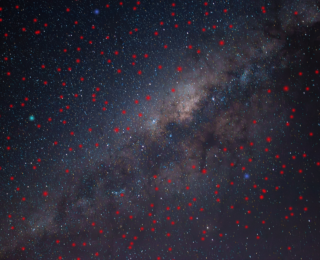
Backyard Black Holes
Little Red Dots have been thought to be mysterious early universe objects but today’s bite tells us that they could exist much closer to home.

Little Red Dots have been thought to be mysterious early universe objects but today’s bite tells us that they could exist much closer to home.
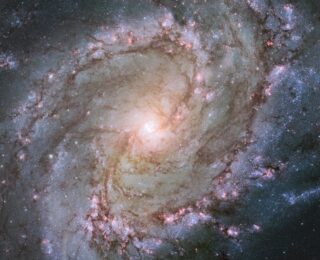
Is the Universe broken, or just our observations? Today’s bite asks whether our methods for weighing galaxies can help save cosmology from JWST’s Universe-breaking galaxies.
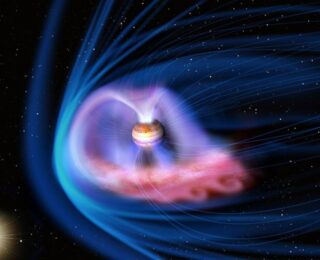
Seven hot exoplanets were not as windy as they should’ve been. This puzzle led researchers to be the first ones to measure the magnetic field strength on exoplanets.
We still don’t know very much about the mysterious epoch of reionization. In today’s bite, learn about a new way to estimate when reionization started from a correlation drop!
Considering that molecular hydrogen is the most abundant molecule in the universe, you’d think it’d be easier to find.
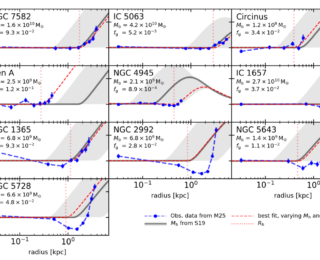
There’s drama in the extragalactic astronomy community today. Some strange accretion-driven outflows in nearby active galaxies have been observed to accelerate in the galactic outskirts. In today’s paper, our authors explain why an earlier proposed theory is likely wrong, present their own theory, and let the observers know what they need to do to settle the debate.