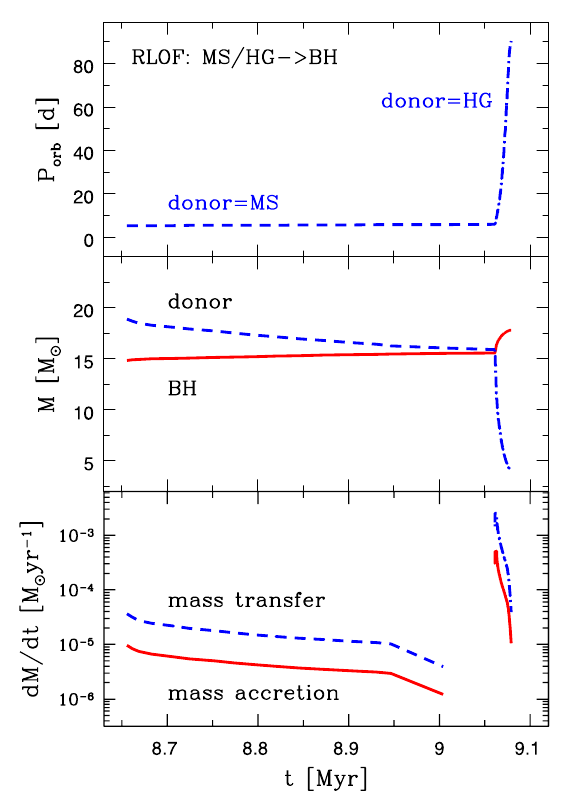
A black hole and a neutron star walk into a gravitationally bound system…
What will happen if Cygnus X-1 evolves to become a system of two massive, compact objects (and will we ever find out)?

What will happen if Cygnus X-1 evolves to become a system of two massive, compact objects (and will we ever find out)?
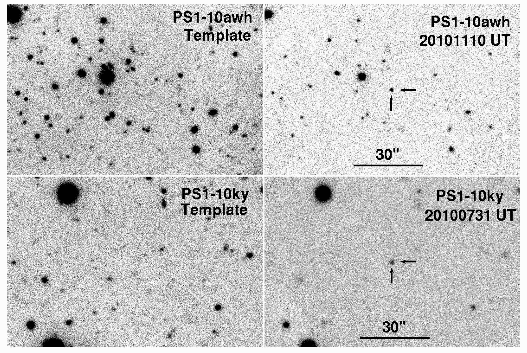
Starting in 2005 with SN 2005ap, astronomers began to detect new transients that are far more luminous than previously-known supernovae. With brightnesses ten times those seen in Type 1a’s, these new supernovae have been dubbed “ultraluminous supernovae.” This paper presents two new supernovae discovered by Pan-STARRS.

Vesta is a particularly interesting object for learning about the early solar system. It is the second biggest asteroid in the asteroid belt (after Ceres) and is believed to be the sole surviving intact member of a class of objects called planetary embryos. The rest of these embryos either assembled into the planets in the solar system today or were broken apart into smaller asteroids and dust by collisions. By studying Vesta, we can learn about how protoplanets formed and evolved.
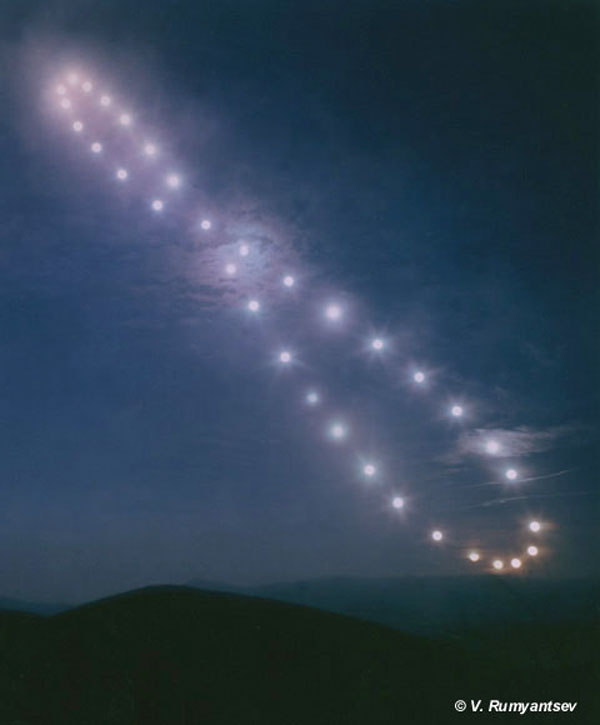
The units we use to measure time have until recently been always derived from the movements of the heavens, which we have considered immutable because we have never had the accuracy of measurement to notice otherwise. Starting with the Babylonians, we divided our days into neatly divisible blocks of hours, minutes, and then seconds. The advent of extremely accurate atomic clocks that rely upon the hyperfine quantum transitions of Cesium-133 atoms have challenged our traditional notions of time.
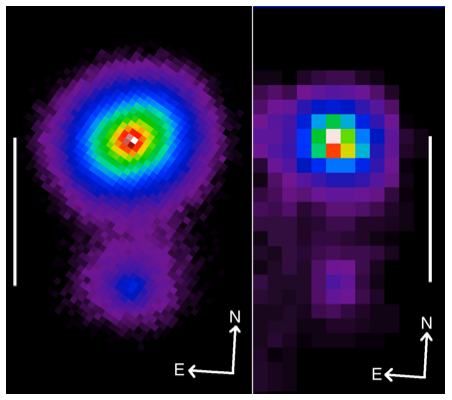
While there are many examples of AGN pairs with relatively large separations, there are (including the object discussed in this paper) currently only six known closely separated pairs. Unless there are many more undiscovered closely separated AGN pairs, something must be seriously wrong with our theoretical understanding of galaxy mergers and black hole growth.
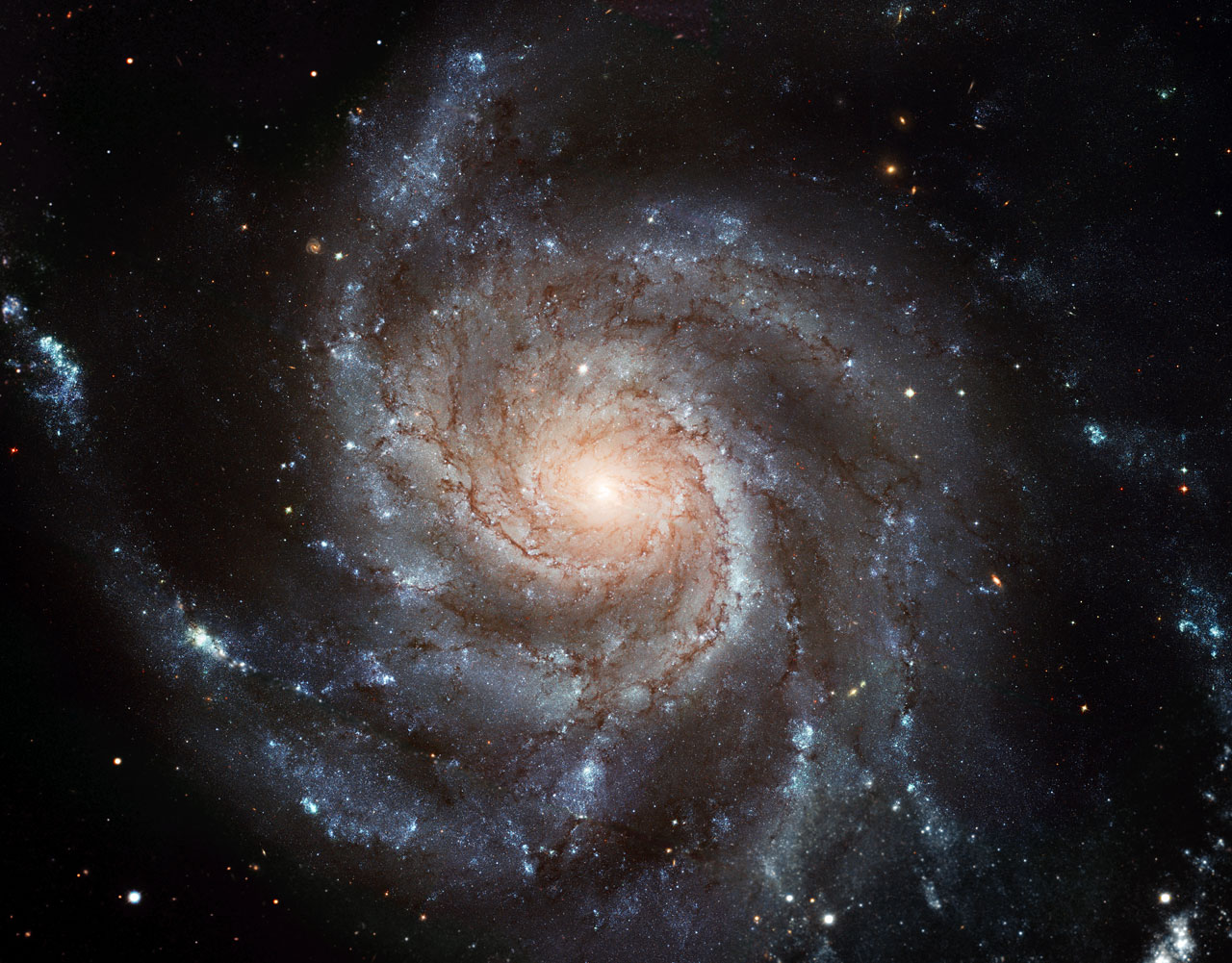
Astronomers who specialize in galaxies and galaxy evolution have started to weigh in on habitability from a completely new perspective. Instead of trying to determine the zone around a star where an orbiting planet could sustain life, they are modeling the zones within the galaxy where planets that harbor complex life would be most likely to form. They dub this zone the Galactic Habitable Zone, or GHZ.