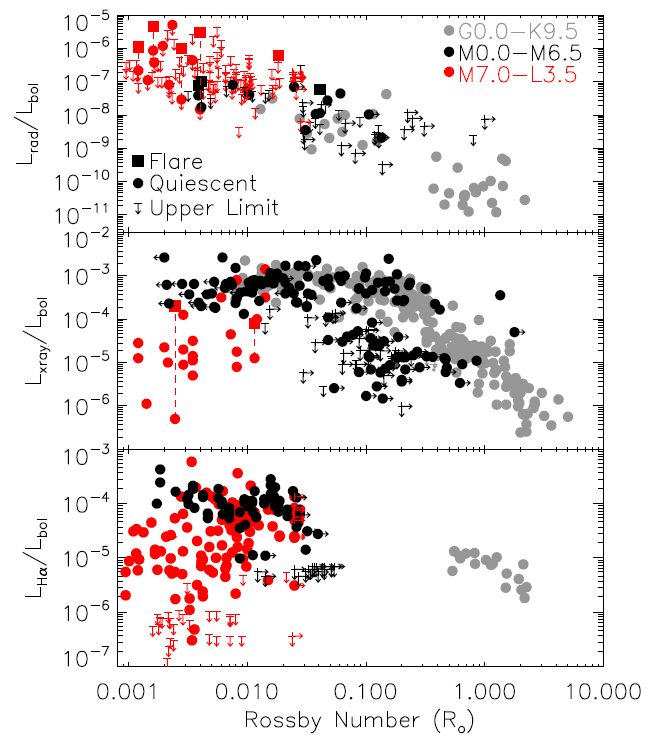
The Radio Activity-Rotation Relation of Ultracool Dwarfs
McLean et al. observe a new sample of late-M and L dwarfs with the Very large Array to search for a relation between rotation rate and radio activity for ultracool dwarfs.

McLean et al. observe a new sample of late-M and L dwarfs with the Very large Array to search for a relation between rotation rate and radio activity for ultracool dwarfs.
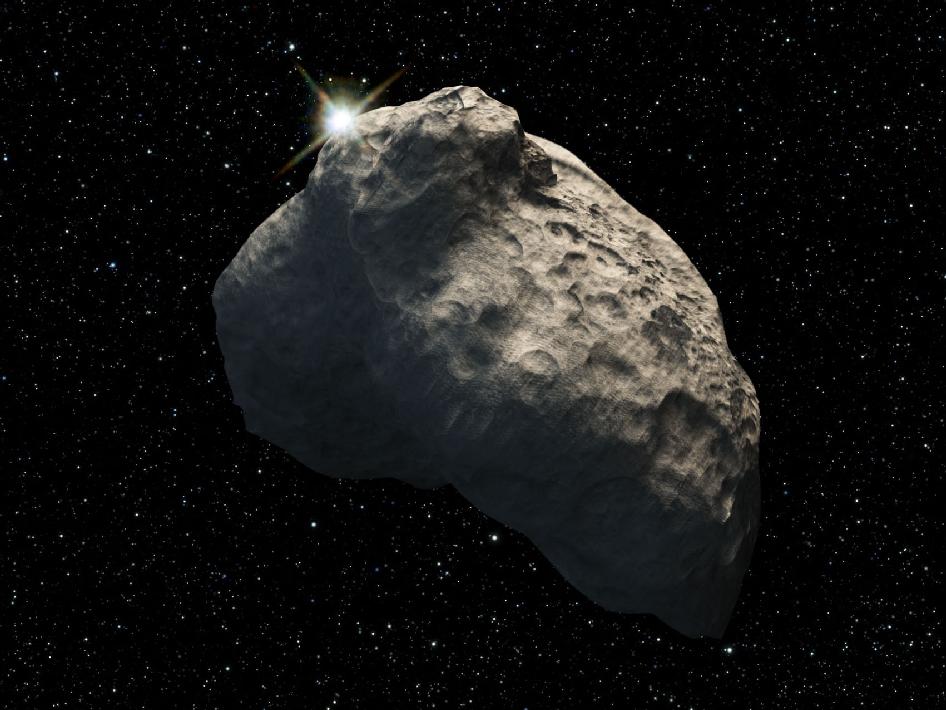
A paper published on the archive this week reveals fourteen newly discovered Kuiper Belt Objects (KBOs) found using ground-based imaging in the Southern part of the sky. Three of these could be big enough to be dwarf planets! By learning about the population, orbital structures, and compositions of the largest objects in the Kuiper Belt, we can learn about the solar system formation and evolution.
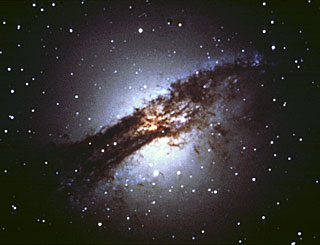
With the help of citizen science through Galaxy Zoo, this paper’s authors collect a large sample of dusty elliptical galaxies, which allows them to investigate the connection between gas-rich mergers, starbursts, and AGN activity.

A beautiful structure at the center of our galaxy shows off Hershel’s abilities.
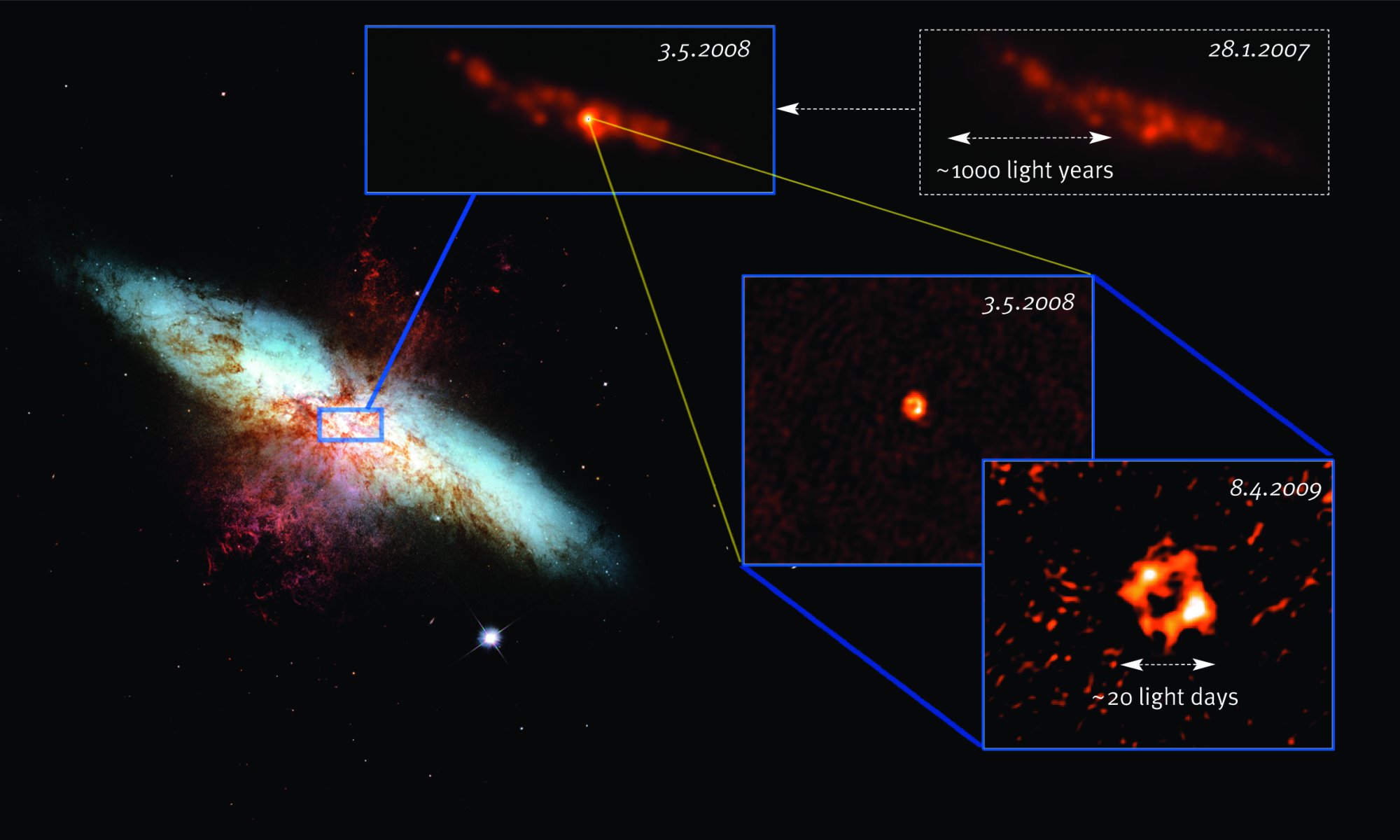
The recent discovery of a radio transient in the nucleus of the galaxy M82 has left scientists guessing as to what it might be. In this paper the authors examine the possibility that it’s a microquasar just like SS433 — but located outside of our galaxy!
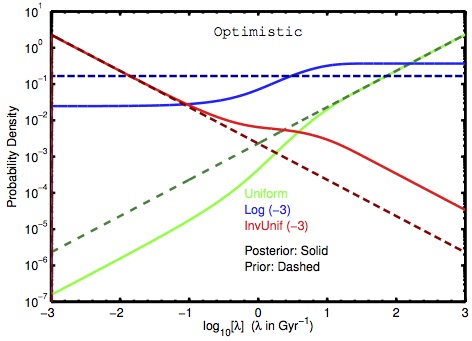
In this paper, the authors attempt to use Bayesian statistics to estimate the frequency of extraterrestrial life (and derive a fairly inconclusive result).