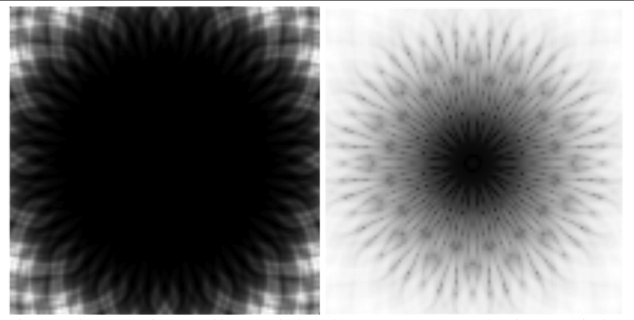
The Shape of Shade
Direct imaging of exoplanets is a tricky business, but with a well-designed starshade blocking the light of the exoplanet’s parent star, it could be much easier! But how do you choose the right design?

Direct imaging of exoplanets is a tricky business, but with a well-designed starshade blocking the light of the exoplanet’s parent star, it could be much easier! But how do you choose the right design?

Habitable exomoons appear all over science fiction, but could they exist in real life? Could we detect them if they did?

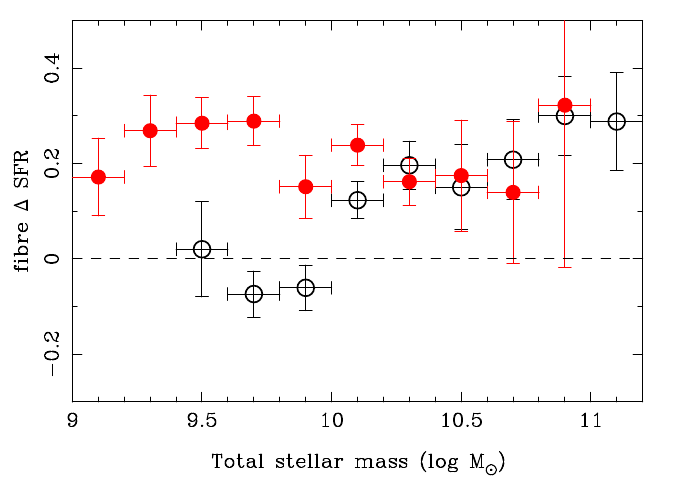
Star formation at the center of galaxies can be triggered by both internal and external processes. In their new work, Ellison et al. argue that the internal processes may be more important.
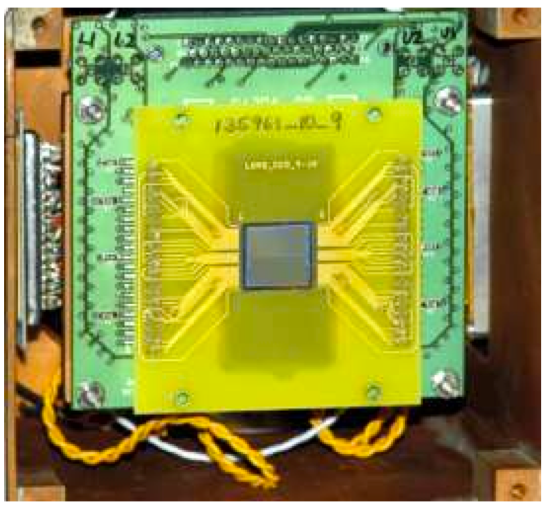
Charge Coupled Devices (CCDs) are workhorses of observational astronomy. These chips are commonly used as imaging detectors in telescopes, but they have wide applications from spectroscopy to drug discovery. This paper presents read-out results from Skipper CCDs recently developed at Berkeley Labs which feature low readout noise.
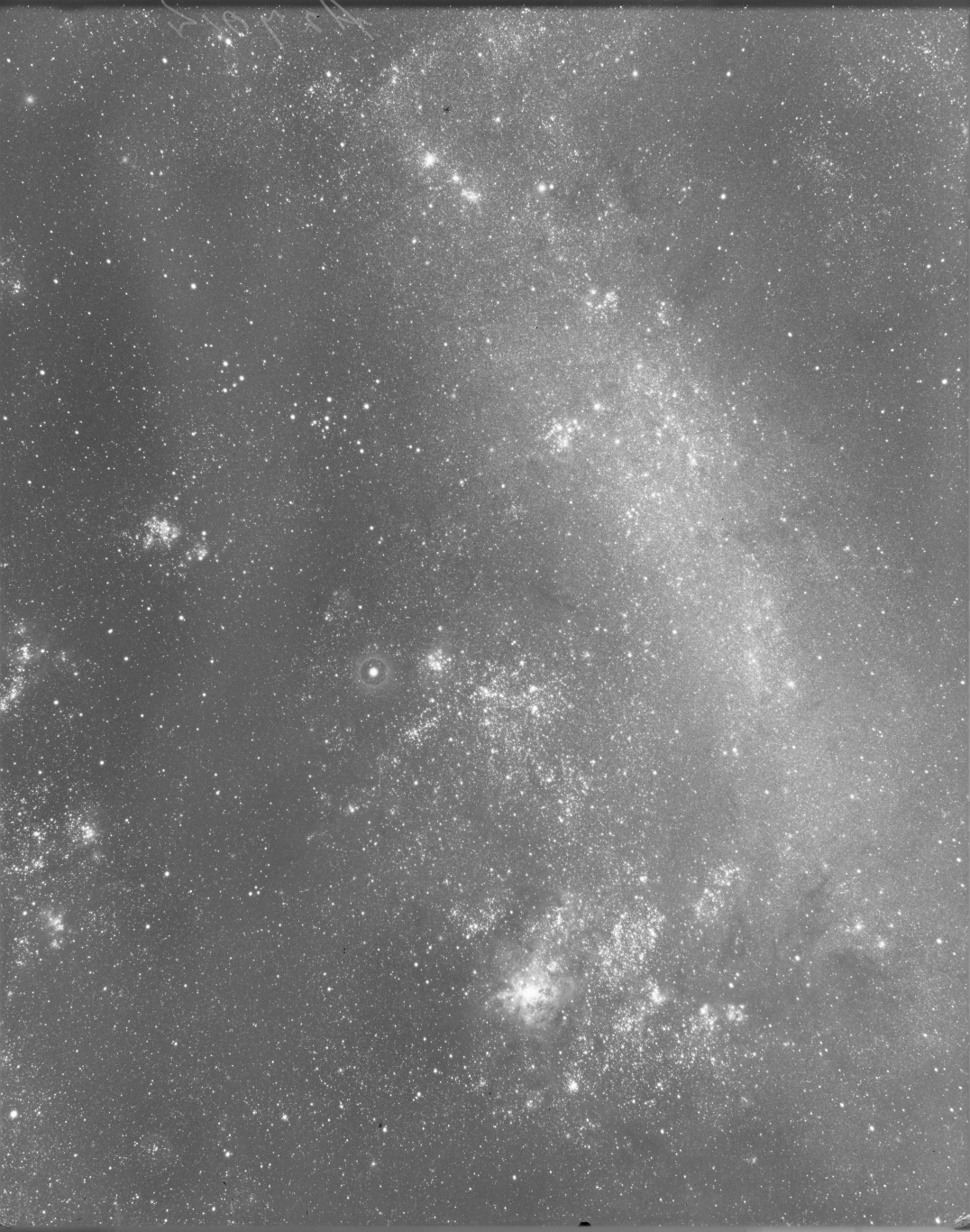
How do stars vary on a hundred year time scale? The DASCH (Digital Access to a Sky Century @ Harvard) Team has been looking back at data taken over the last century in order to answer this question. This paper reports the most recent DASCH discovery, which concerns the star KU Cyg. This is an eclipsing binary system in which a more massive F star is gaining mass from a red giant. The authors noticed a 0.5 magnitude drop in the brightness of the star around 1900 that lasts for five years.