by Elisabeth Newton | Jun 23, 2011 | Daily Paper Summaries
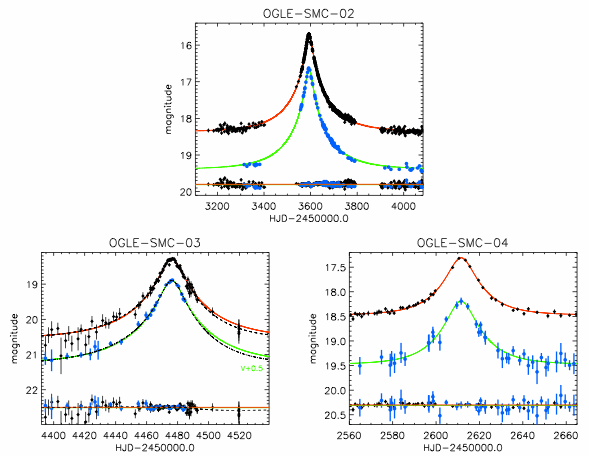
In previous astrobites posts, we’ve talked about using microlensing to find planets and to detect dark matter in other galaxies. However, one of the earliest applications of microlensing was a bit closer to home: the detection of compact objects in the dark matter halo of our own galaxy. We know there is a lot more mass in galaxies, including our own, than what we can see. Dark matter comprises more than 80% of the matter in our Universe, but what is it really comprised of?
by Courtney Dressing | Jun 22, 2011 | Daily Paper Summaries
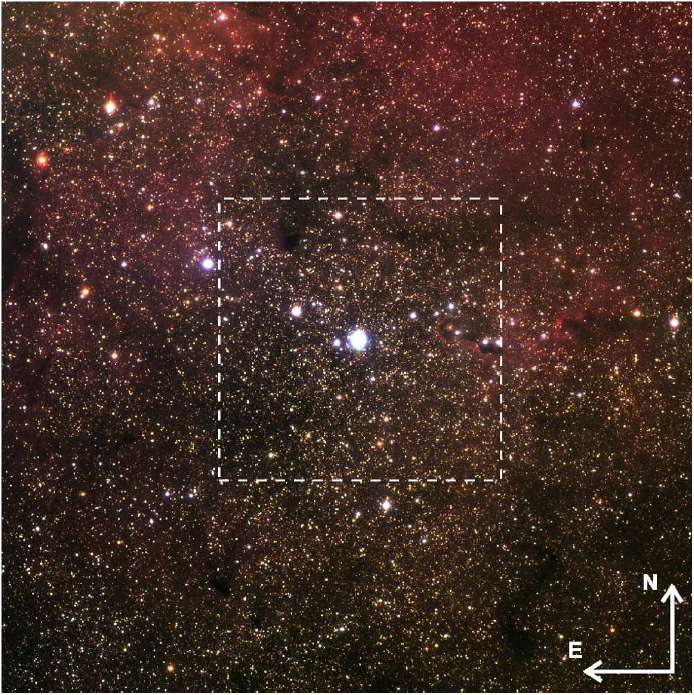
Neuhäuser et al. are searching for young Jovian planets orbiting stars in open clusters. What are the advantages of looking for planets in clusters?
by jsureshcfa | Jun 21, 2011 | Daily Paper Summaries
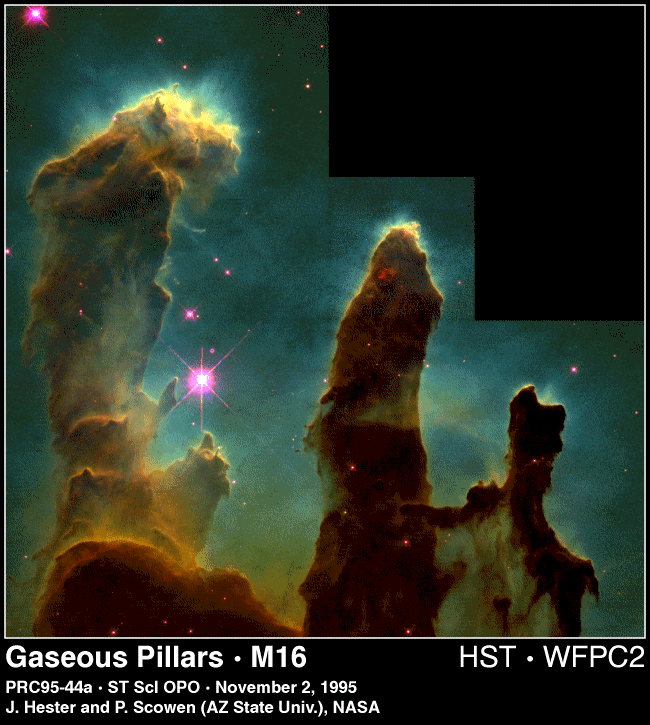
Stars form in dense clumps within giant molecular clouds. The authors of this paper find a strong relationship between the gravitational growth of these clumps, and the rate of formation of stars within the clumps.
by Caroline Morley | Jun 21, 2011 | Daily Paper Summaries
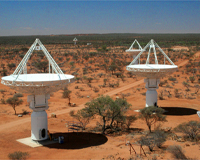
EMU will contribute to many different areas of astrophysics from stars to galaxies to cosmology; it will find interesting objects that can be followed up with other observatories designed for deep observations such as ALMA. ASKAP will also provide an excellent testbed for the new phased array detector technology expected to be used in the Square Kilometre Array in the next decade.
by tonypan | Jun 19, 2011 | Daily Paper Summaries
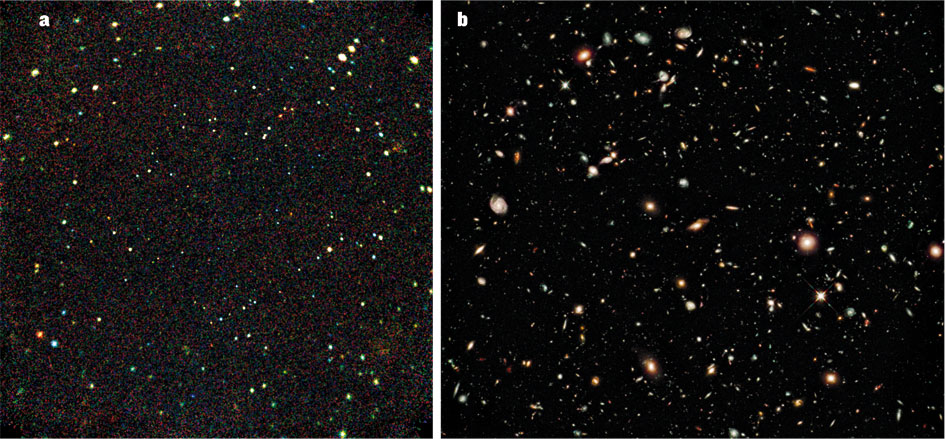
Brief summaries of two recent Nature papers: one on a new class of ultraluminous supernova, the other on the first detection of the supermassive black holes population in the high redshift universe.
by Aaron Bray | Jun 18, 2011 | Daily Paper Summaries
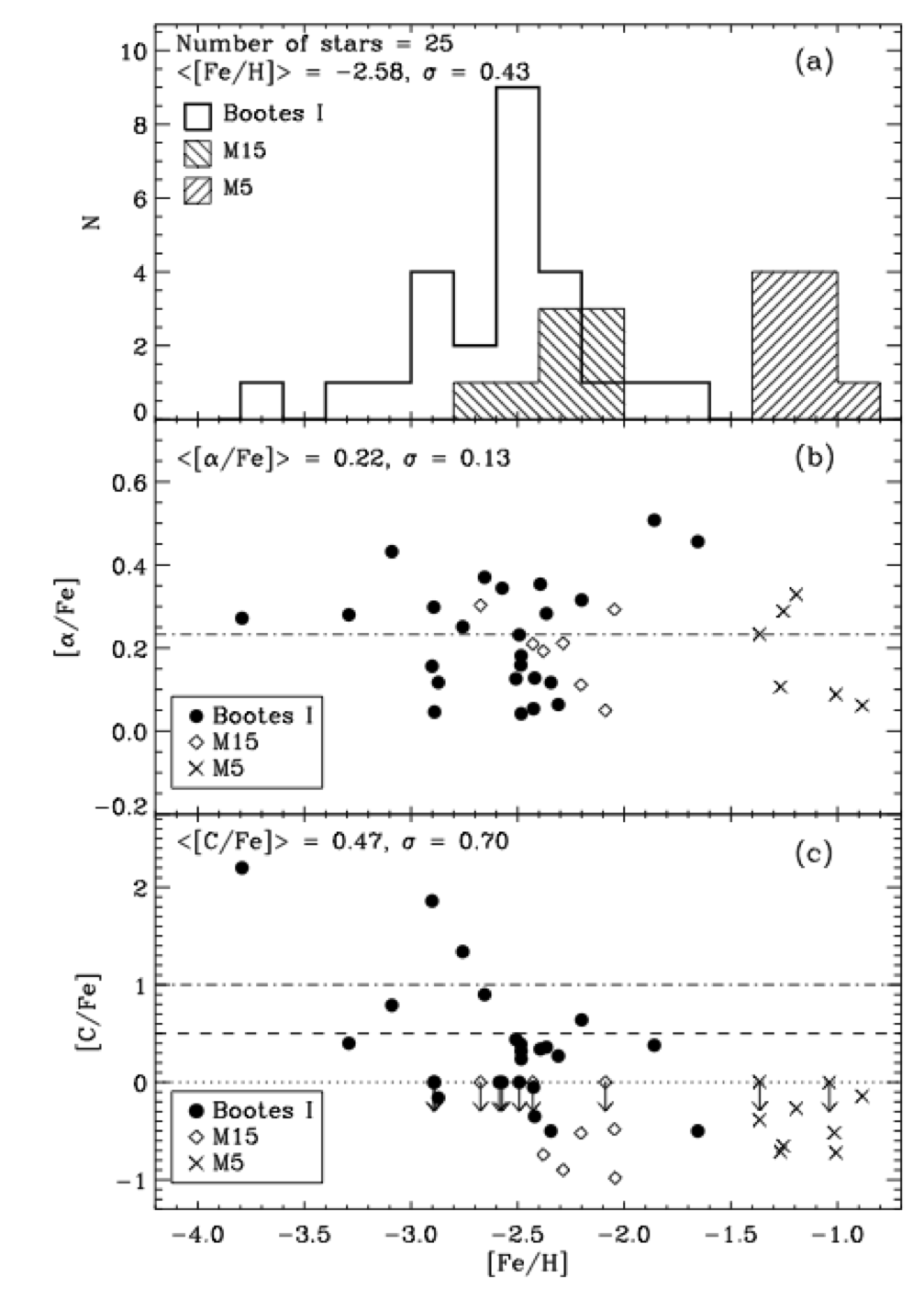
Lai et al. use spectroscopic observations to determine the metallicity abundances of stars from the Bootes I dwarf galaxy, in order to better understand the formation history of the Milky Way.
