New page: Guide to science policy!
Interested in science policy and how it affects astronomy? Check out our new series of posts and new guide page!

Interested in science policy and how it affects astronomy? Check out our new series of posts and new guide page!
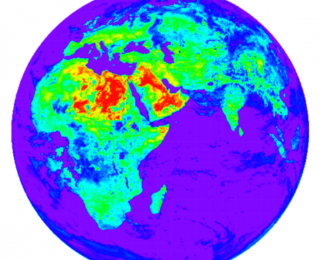
In the search for habitable exoplanets, the authors of today’s paper turn their gaze to our own planet, and what we can learn from NASA’s DSCOVR:EPIC observations of Earth.
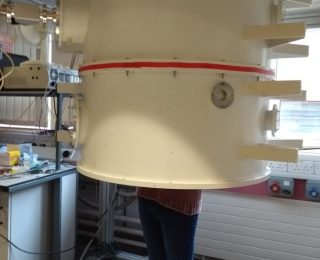
To provide insight into a typical week in my life as a grad student, I kept a record of my daily activities. How does it compare to your own?
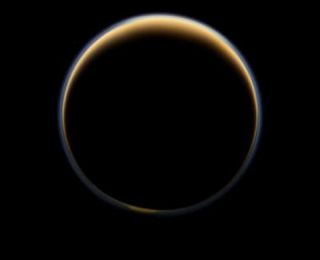
Cool, hazy exoplanets might look a lot like Saturn’s moon Titan. Today’s post explores the possible atmospheres of exo-Titans around a variety of host stars.
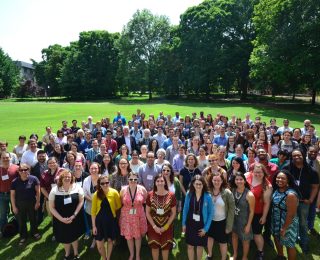
This bite lays out the Nashville Recommendations, from the Inclusive Astronomy meeting in 2015.
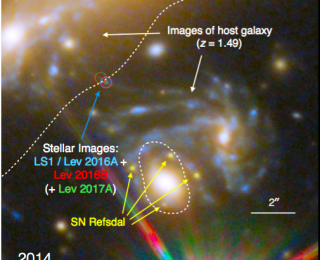
So far, Gravitational Lensing has allowed us to observe distant faint galaxies or supernovae. Its time to observe individual stars now.