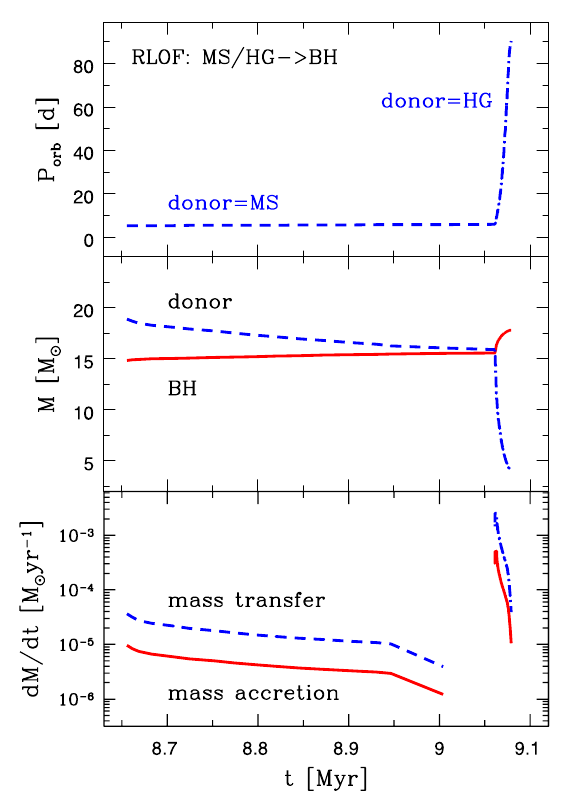
A black hole and a neutron star walk into a gravitationally bound system…
What will happen if Cygnus X-1 evolves to become a system of two massive, compact objects (and will we ever find out)?

What will happen if Cygnus X-1 evolves to become a system of two massive, compact objects (and will we ever find out)?

The word “bias” shows up all the time in astronomy. What exactly does it mean? Also, how a recent study tackles the argument that the M-sigma relation may be biased.
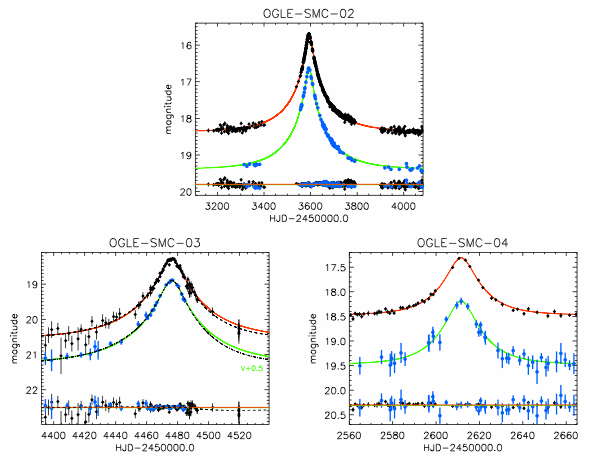
In previous astrobites posts, we’ve talked about using microlensing to find planets and to detect dark matter in other galaxies. However, one of the earliest applications of microlensing was a bit closer to home: the detection of compact objects in the dark matter halo of our own galaxy. We know there is a lot more mass in galaxies, including our own, than what we can see. Dark matter comprises more than 80% of the matter in our Universe, but what is it really comprised of?
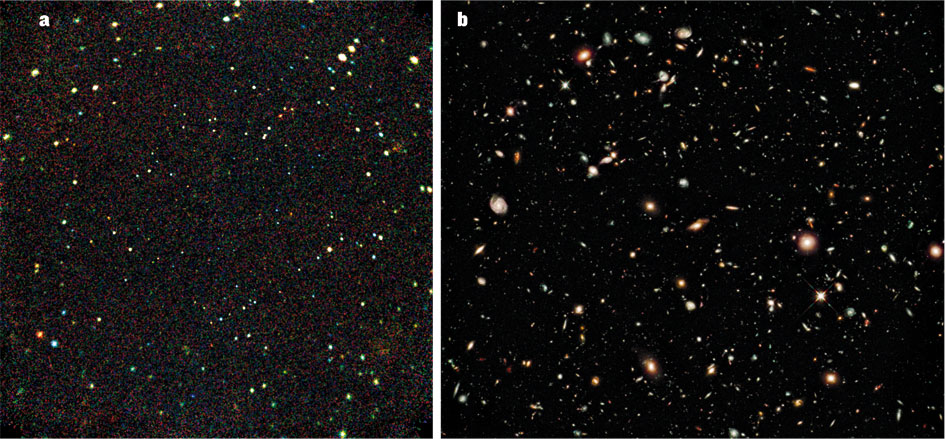
Brief summaries of two recent Nature papers: one on a new class of ultraluminous supernova, the other on the first detection of the supermassive black holes population in the high redshift universe.
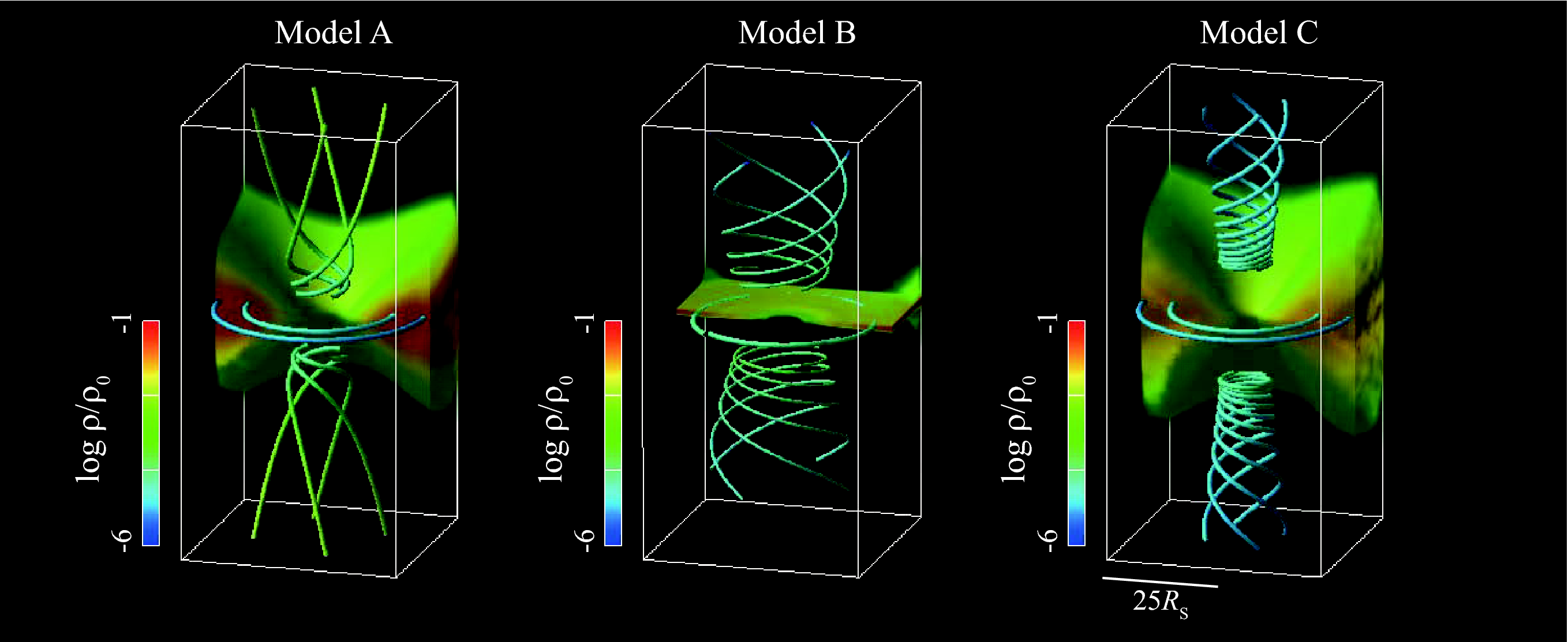
New simulations explore the mechanisms by which black holes grow.
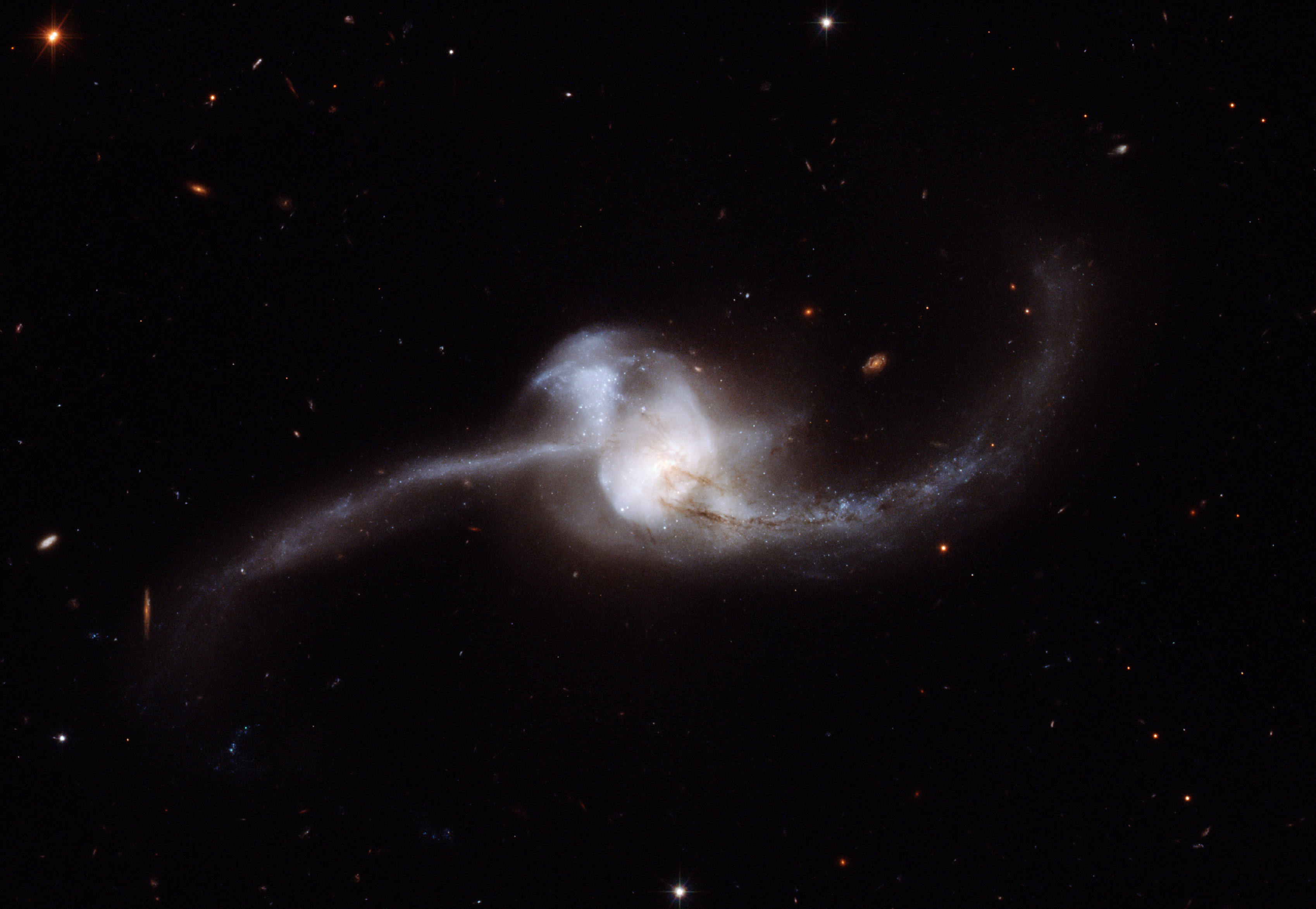
Wouldn’t it be cool is the super-massive black hole at the center of a huge galaxy was somehow related to the entire dark matter halo surrounding the system? Turns out it just might be.