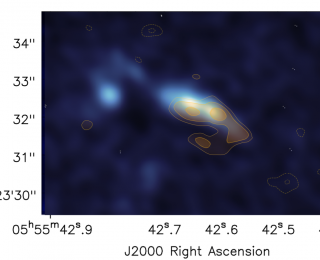
Catching Galactic Recycling In The Act
This little galaxy is churning out the ingredients necessary for planets and life at a frantic pace. New observations reveal the sharpest view yet of this cycle of gas and stardust.

This little galaxy is churning out the ingredients necessary for planets and life at a frantic pace. New observations reveal the sharpest view yet of this cycle of gas and stardust.
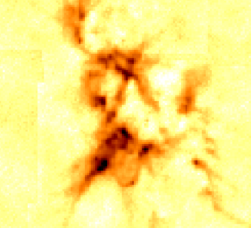
Do baby stars like it hot or cold? Learning about the dusty environments where stars are born.
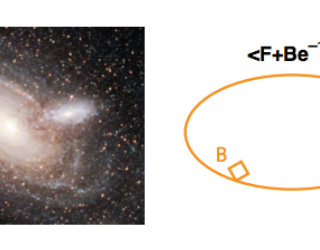
Pairs of occulting galaxies allow for the dust in galaxies to be mapped very accurately and give insight into the attenuation law in the outskirts of galaxies.
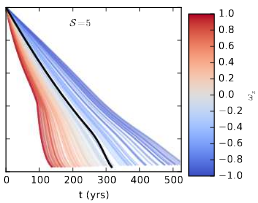
Today we have a guest post from Arazi Pinhas about the spins of protoplanetary disks.
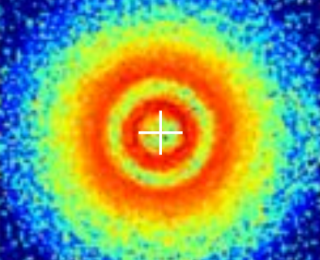
Baby planets still living in their natal disks don’t want astronomers to find and take pictures of them. But that doesn’t mean we can’t try!
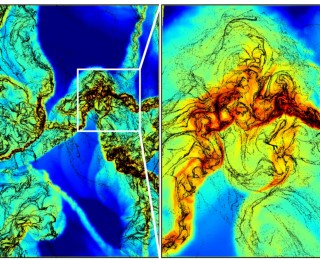
Molecular clouds, where new stars are born, are made of two components: gas and dust. The gas is mostly hydrogen, and the dust is made of elements crucial for forming planets and people, like silicon and carbon. Today’s paper shows that these two components behave very differently in a simulated molecular cloud. This could have exciting consequences for the growth of dust and the formation of stars and planets.