Astrobites at DPS 2021: Part 1
We’re covering this week’s AAS Division for Planetary Sciences meeting! Check out theshighlights of the conference.

We’re covering this week’s AAS Division for Planetary Sciences meeting! Check out theshighlights of the conference.
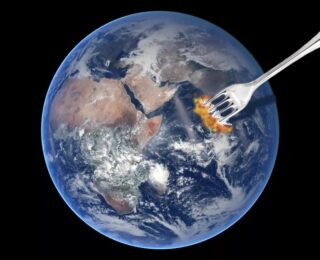
Take a bite out of today’s post, where the authors explore the occurrence rate of planetary ingestion in wide binary stellar systems. Turns out that about a fourth of Sun-like stars in wide binaries may ingest their planetary companions. Yum!

Lightcurve folding is frequently used to make signals in the data clearer. Today’s author describes a novel way to use the folding method to pick out exomoon signals from exoplanet transit lightcurves.

Traces of planets devoured by their host stars can possibly be found within the external layers of the stellar surface. These remains tell a story of the evolution and architecture of different planetary systems and grant new appreciation for our relatively calm environment.
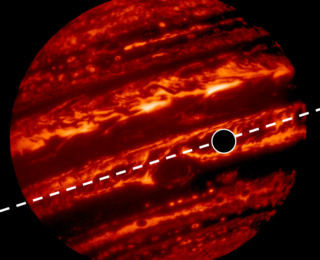
The search for exomoons orbiting rogue planets.
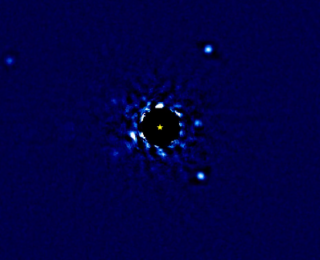
Astronomers have caught the first directly-imaged exoplanet gravitationally tugging at its host star – thereby revealing its own weight.