One small ripple for spacetime, one giant leap for cosmology
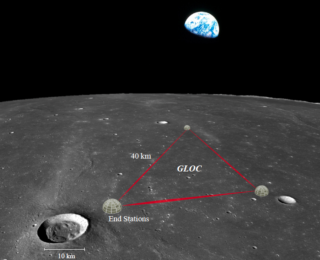
Finding some real estate for the next gravitational wave detector might not be too hard. The problem? Getting it there.

Finding some real estate for the next gravitational wave detector might not be too hard. The problem? Getting it there.
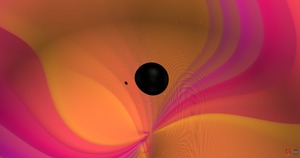
The most recent gravitational wave merger detected by LIGO/VIRGO consists of two objects with very unequal masses. But just what is the smaller object?

It is important that we, as a scientific community, make science accessible and scientific careers attainable to all. One such method of making astronomy more inclusive to the DHH community is AstroDance! Click here to read more!
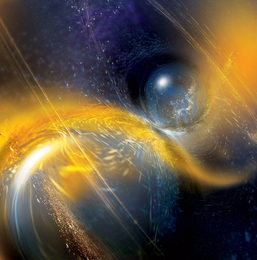
We can learn a lot about colliding neutron stars from their gravitational waves, but can we also find out how circular their orbits were before they collided? Find the answer, and what it means for future binary neutron star merger detections with today’s paper.
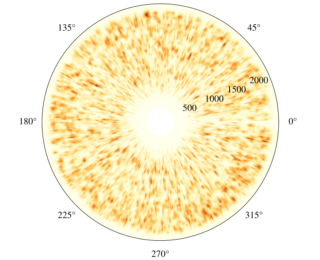
The next generation of gravitational wave detectors could reveal how intertwined binary black holes are with the cosmic web – and where these black holes came from.
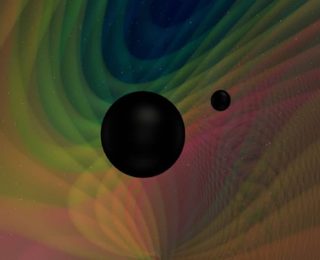
The latest pair of merging black holes announced by LIGO-Virgo, the first made public from their latest observing run, is unlike any seen before.