A Cosmic Beach Getaway
Some planets have atmospheres, and some don’t. What gives?

Some planets have atmospheres, and some don’t. What gives?
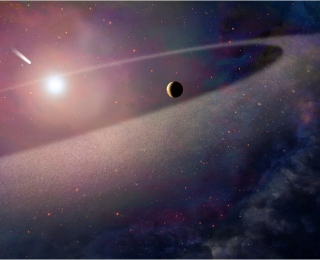
Astronomers have found hydrogen contamination in the atmospheres of helium white dwarfs – but where in the world/universe is it coming from?! The authors of today’s astrobite perform statistical tests to see if the source of this pesky hydrogen could be water-bearing rocky bodies out in space.
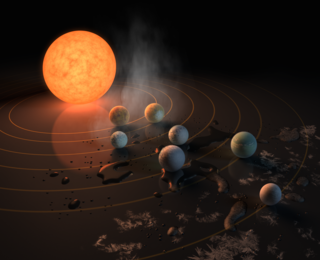
In this bite we dig into the details of the recent discovery of 7 habitable zone planets orbiting TRAPPIST-1.
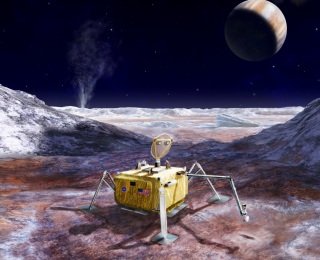
Europa might be the smallest of the Galilean moons orbiting Jupiter, but it is potentially one of the most exciting candidates for extra-terrestrial life in our diverse Solar System. This bite covers a tiny portion of the Europa Lander Report recently published by NASA.
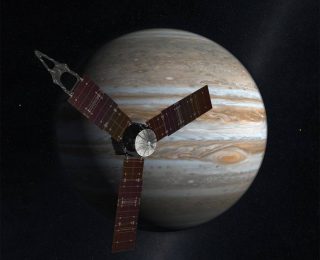
A Happy New Year from everyone at Astrobites! Read on to find out about our fun events, collaborations and top-read articles in the last 12 months!
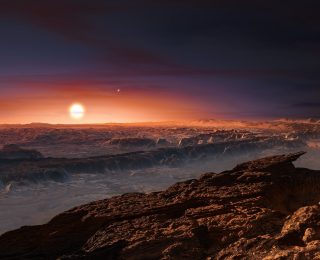
M-dwarf stars pose as the current favorite target for exoplanet hunters to look for habitable planets. The simulations reported by today’s article, however, show that many of these planets should be expected to be extremely water-rich, and maybe uninhabitable. But it all dependes on how the systems evolve.