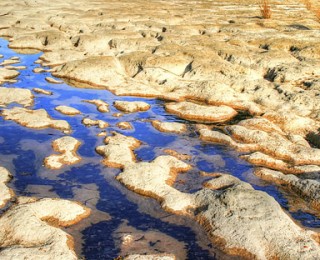
Habitability Whether Rocks Weather or Not?
Habitable zone estimations take the climate regulation of the carbon cycle into account. But are we drawing the edges of the habitable zone too wide?

Habitable zone estimations take the climate regulation of the carbon cycle into account. But are we drawing the edges of the habitable zone too wide?
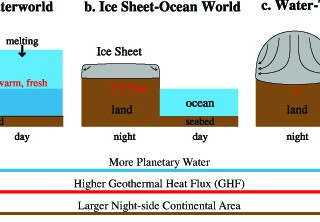
Yang et al. use climate models to investigate whether rocky exoplanets around M-stars can retain their oceans in the face of tidal locking.
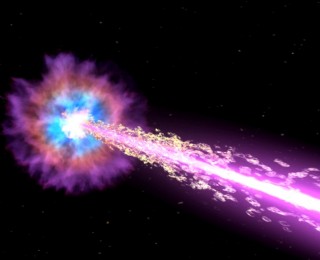
Asteroids and volcanoes are familiar harbingers of global doom. But what about Gamma Ray Bursts? Is another doomsday lurking?
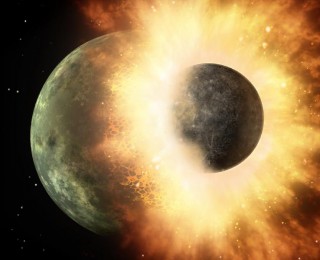
How do giant planets affect the water content of rocky planets in habitable zones? Astronomers have run new planet formation simulations to try to answer this question.
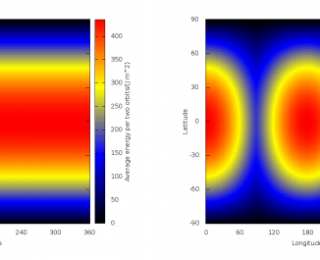
Planets orbiting close to type-M dwarf stars are in the habitable zone, but if their orbits are in a 3:2 spin resonance, do their long, strange days and nights have a chance of supporting photosynthetic life?
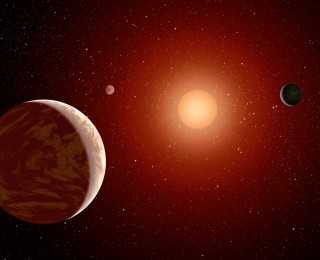
For planets too old for plate tectonics, a companion planet could drive tidal heating to keep conditions primed for life.