
An EPIC view of the Earth as an exoplanet
In the search for habitable exoplanets, the authors of today’s paper turn their gaze to our own planet, and what we can learn from NASA’s DSCOVR:EPIC observations of Earth.

In the search for habitable exoplanets, the authors of today’s paper turn their gaze to our own planet, and what we can learn from NASA’s DSCOVR:EPIC observations of Earth.
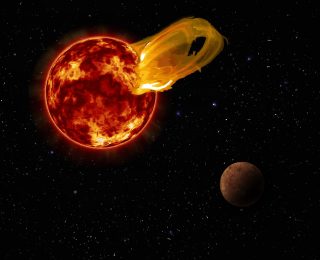
What is responsible for the excess radio emission from our nearest star, Proxima Centauri? No alien radio stations required!
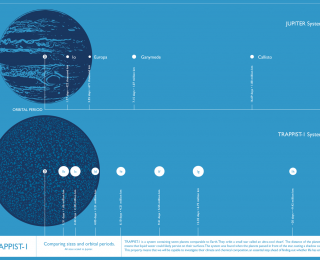
How likely is it that life could hop from planet to planet in the TRAPPIST-1 system?
Scientists (and film producers) have been fascinated by the prospect for ET life for quite some time. Today’s authors create a model that predicts the biodiversity of a planet, and the results may not be what you expect. Check out this bite to see which stars are most likely to host complex life.
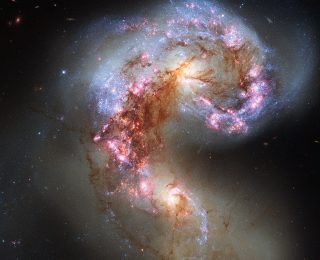
How does habitability vary on a galactic scale?
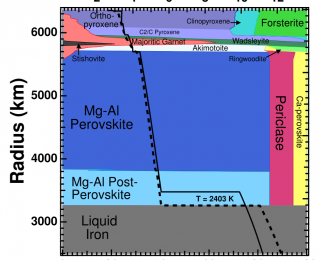
We can precisely measure chemical abundances for stars. This offers an intriguing possibility that we may, in the near future, start using these measurements to know more about the insides of rocky planets orbiting them.