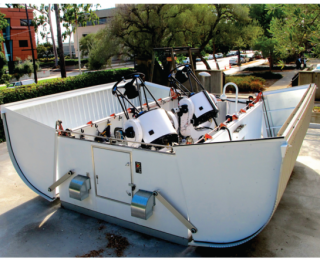
MINERVA: MINiature Exoplanet Radial Velocity Array
MINERVA: Detecting Super-Earths from the ground in a modular, cost-effective manner.

MINERVA: Detecting Super-Earths from the ground in a modular, cost-effective manner.
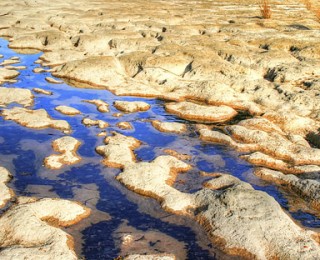
Habitable zone estimations take the climate regulation of the carbon cycle into account. But are we drawing the edges of the habitable zone too wide?
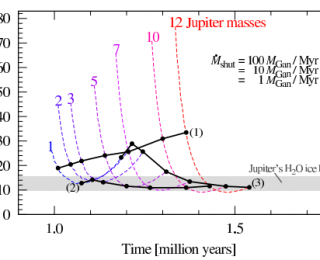
Those of us who love astrobiology get really worked up about the lack of Earth-sized exoplanets found at Earth-like distances from their stars. All we want, we who hope for lots of extraterrestrial life, is a bunch of Earth-like planets doing Earth-like things so we can feel better about the odds for lots of Earth-like life in the universe.
Of all the kinds of planets we’re finding around other stars—hot Jupiters and mini-Neptunes and those dubiously called “Earth-like”—super-Earths orbiting close to their stars are among the most abundant. While planets so close to their stars are poor candidates for habitability, they are important to understanding the possibility of other habitable planets in these seemingly common systems.
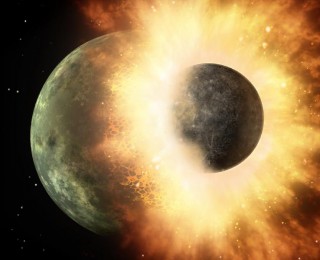
How do giant planets affect the water content of rocky planets in habitable zones? Astronomers have run new planet formation simulations to try to answer this question.
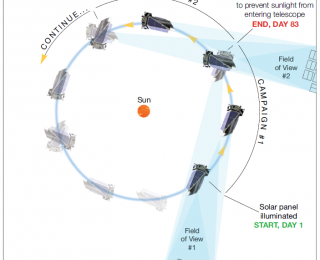
The Kepler Space Telescope gets a promising second chance with a new mission called “K2”.