
Best exoplanet destinations for mountain climbers
An novel method that could add texture to other worlds.

An novel method that could add texture to other worlds.
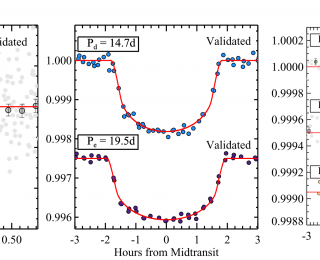
Transiting exoplanets generally orbit in the same plane, so how is this planet so misaligned in this multi-planet system?
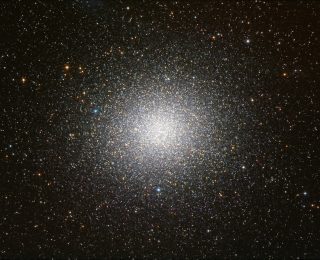
Globular clusters in the Milky Way are shedding their stars. How can we tell when this process began?
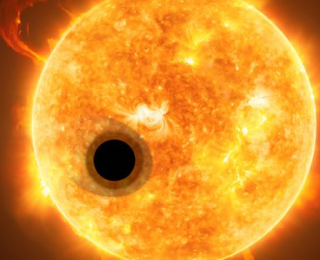
It has long been theorized that exoplanet atmospheres should be partially composed of helium — now we finally have our first detection in the atmosphere of Wasp-107b. Today’s bite explains how the authors observed helium and discuss what this means for the atmosphere of this planet.

Today’s bite looks at how the ratio of various elements can inform our view of what happens during a supernova.

Most of the known exoplanets resemble “hot Jupiters” because they’re bigger and easier to find. But how can we find Earth-like planets? Check out Dr. Debra Fischer’s plenary talk at #AAS232 to learn more about the “Past, Present, and Future” of exoplanet science.