by Leonardo dos Santos | May 18, 2016 | Daily Paper Summaries
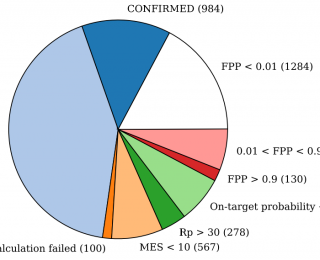
The first Kepler mission observed hundreds of thousands of stars, and approximately 7500 of them are of potential interest. In this astrobite, we learn how astronomers are sifting through all these data in search for exoplanets.
by Tim Lichtenberg | May 17, 2016 | Daily Paper Summaries
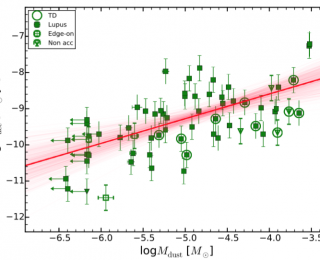
Do predictions from classical disk theory work with state-of-the-art measurements?
by Michael Küffmeier | May 16, 2016 | Daily Paper Summaries
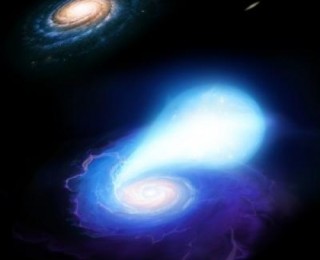
Recently, several supernovae have been observed that do not fit in any of the known categories. These Calcium-rich supernovae are challenging to explain, but in this astrobite you read that they are likely the result of an expelled merger.
by Ingrid Pelisoli | May 12, 2016 | Daily Paper Summaries
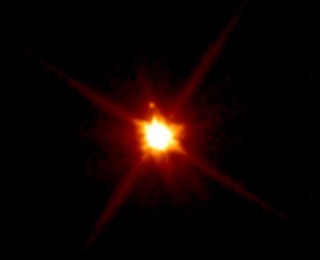
There’s so much to see in the Universe that we can forget there are still things to discover in our own neighborhood. The authors of today’s paper decided to search the Solar System a bit further, and made a very interesting discovery around the dwarf planet Makemake.
by Elisabeth Matthews | May 11, 2016 | Daily Paper Summaries
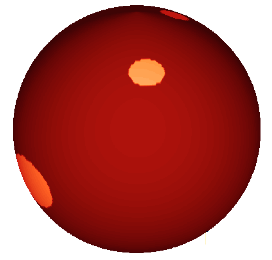
How do you measure the clouds in a brown dwarf atmosphere when the entire brown dwarf is a single, unresolved dot on your image! Read on to find out…
by Guest | May 3, 2016 | Daily Paper Summaries
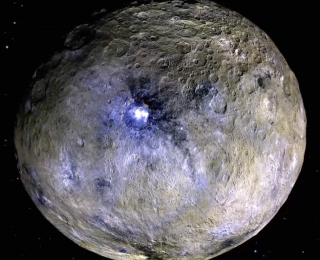
The first asteroid ever discovered is serving up scientists a new set of firsts. The shiny patches that bespeckle its surface suggest there’s more to Ceres than meets the eye.
