
by Caroline Morley | Jul 19, 2011 | Daily Paper Summaries
Vesta is a particularly interesting object for learning about the early solar system. It is the second biggest asteroid in the asteroid belt (after Ceres) and is believed to be the sole surviving intact member of a class of objects called planetary embryos. The rest of these embryos either assembled into the planets in the solar system today or were broken apart into smaller asteroids and dust by collisions. By studying Vesta, we can learn about how protoplanets formed and evolved.
by Caroline Morley | Jul 14, 2011 | Daily Paper Summaries
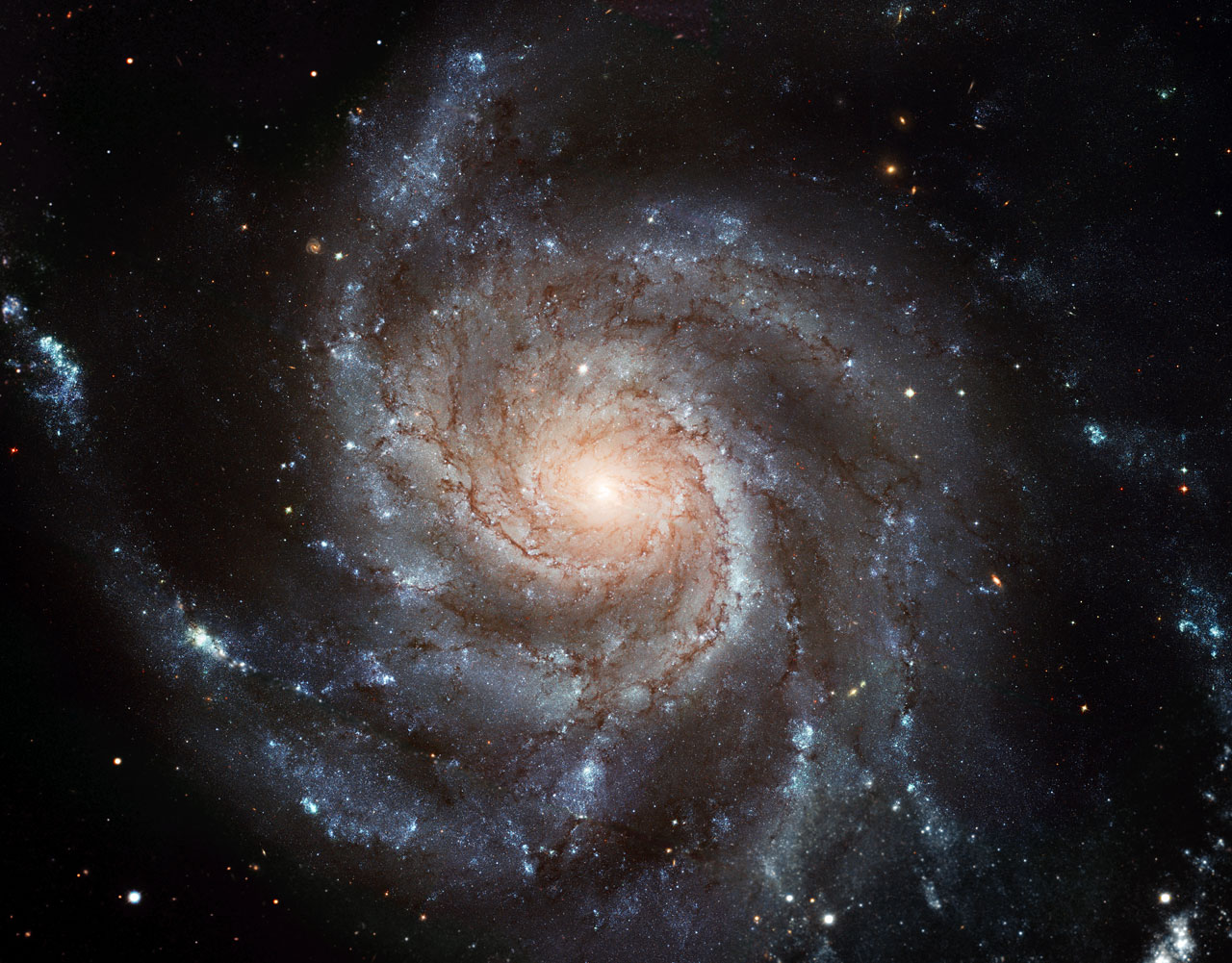
Astronomers who specialize in galaxies and galaxy evolution have started to weigh in on habitability from a completely new perspective. Instead of trying to determine the zone around a star where an orbiting planet could sustain life, they are modeling the zones within the galaxy where planets that harbor complex life would be most likely to form. They dub this zone the Galactic Habitable Zone, or GHZ.
by Elisabeth Newton | Jul 7, 2011 | Quick Notes
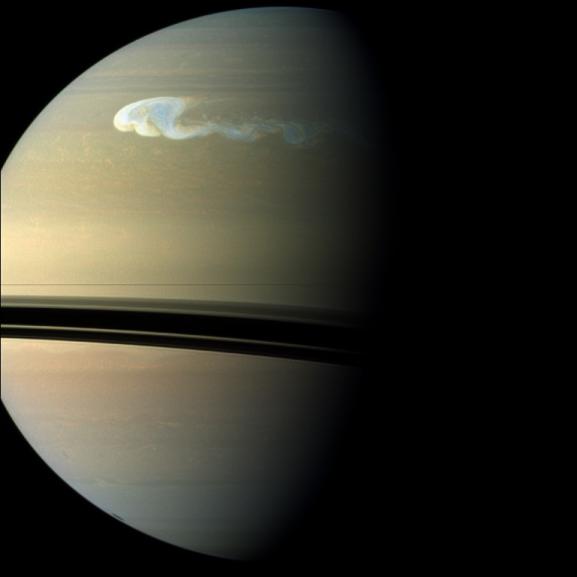
In the most recent issue of Nature, two articles were published about Saturn’s most recent Great White Spot; these features are huge storms on Saturn which occur once every 30 years or so (a year on Saturn is 29.5 Earth years). This storm appeared in mid-December, a bit ahead of schedule.Since there are already so many articles about it, I thought I would just post some links: Nature news article Nature letter: Sánchez-Lavega et al. (2011) Nature letter: Fischer et al. (2011) LA Times article NASA/ Cassini Mission article Saturn’s Great White Spot. From NASA/JPL:...
by Elisabeth Newton | Jul 5, 2011 | Daily Paper Summaries
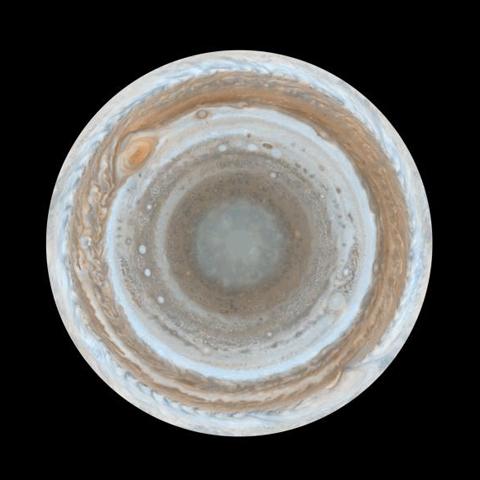
In this paper, techniques from helioseismology – using waves to learn about the interior of the Sun – are applied to yet another object: Jupiter. Because Jupiter is largely a fluid, like the Sun, astronomers have expected it to show global seismic behavior since the mid-1970s; the signal was even theorized to be about the same magnitude as solar oscillations. However, attempts to detect Jupiter’s global oscillations in the 80s and 90s were largely unsuccessful.
by Courtney Dressing | Jun 22, 2011 | Daily Paper Summaries
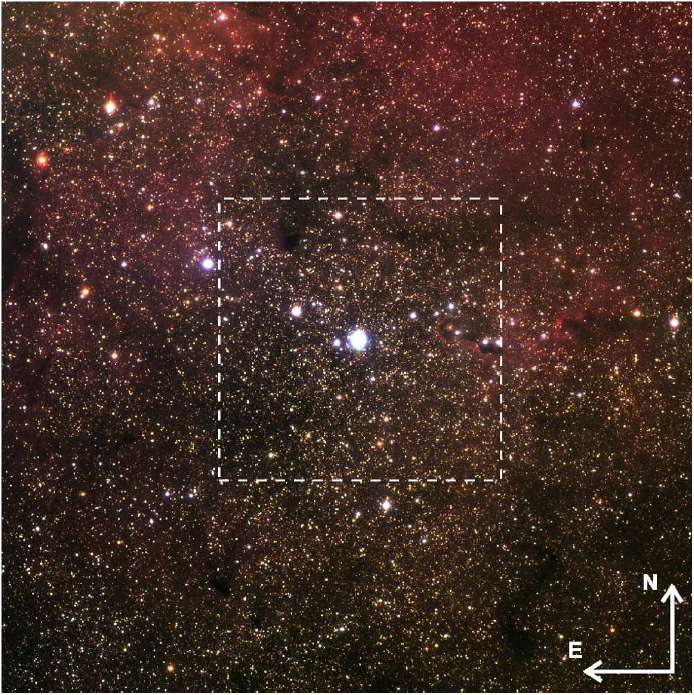
Neuhäuser et al. are searching for young Jovian planets orbiting stars in open clusters. What are the advantages of looking for planets in clusters?

by Courtney Dressing | Jun 16, 2011 | Daily Paper Summaries
Habitable exomoons appear all over science fiction, but could they exist in real life? Could we detect them if they did?
