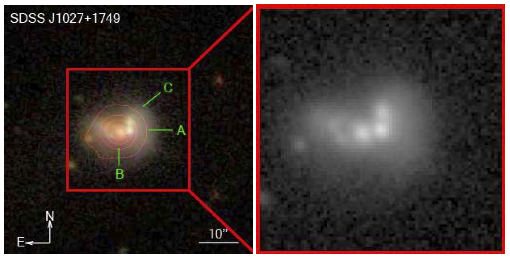
Investigating a “Cosmic Train Wreck”
In this paper, the authors describe a system of three supermassive black holes interacting on kpc scales, and use their result to estimate the frequency of such interactions.

In this paper, the authors describe a system of three supermassive black holes interacting on kpc scales, and use their result to estimate the frequency of such interactions.
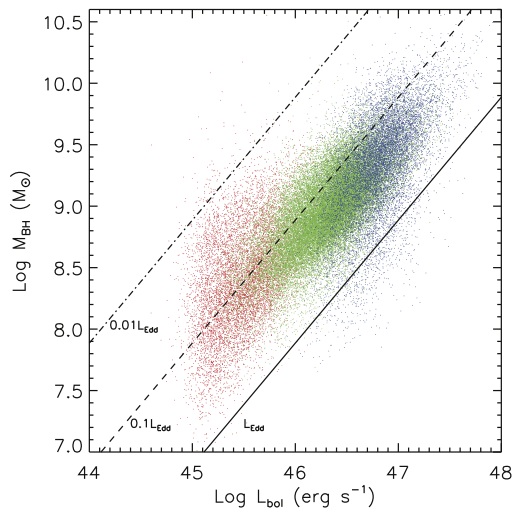
In this paper, the author examines what happens to the quasar mass-luminosity relationship if the method used to calculate the black hole masses is biased, as well the physical implications of different corrections that have been suggested.
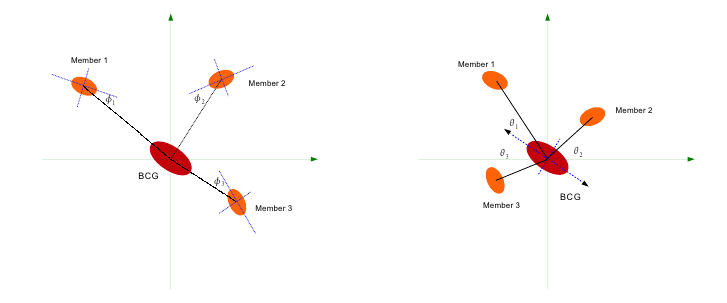
If you see a bunch of galaxies together in a cluster, are their orientations and orbits random or do they align?
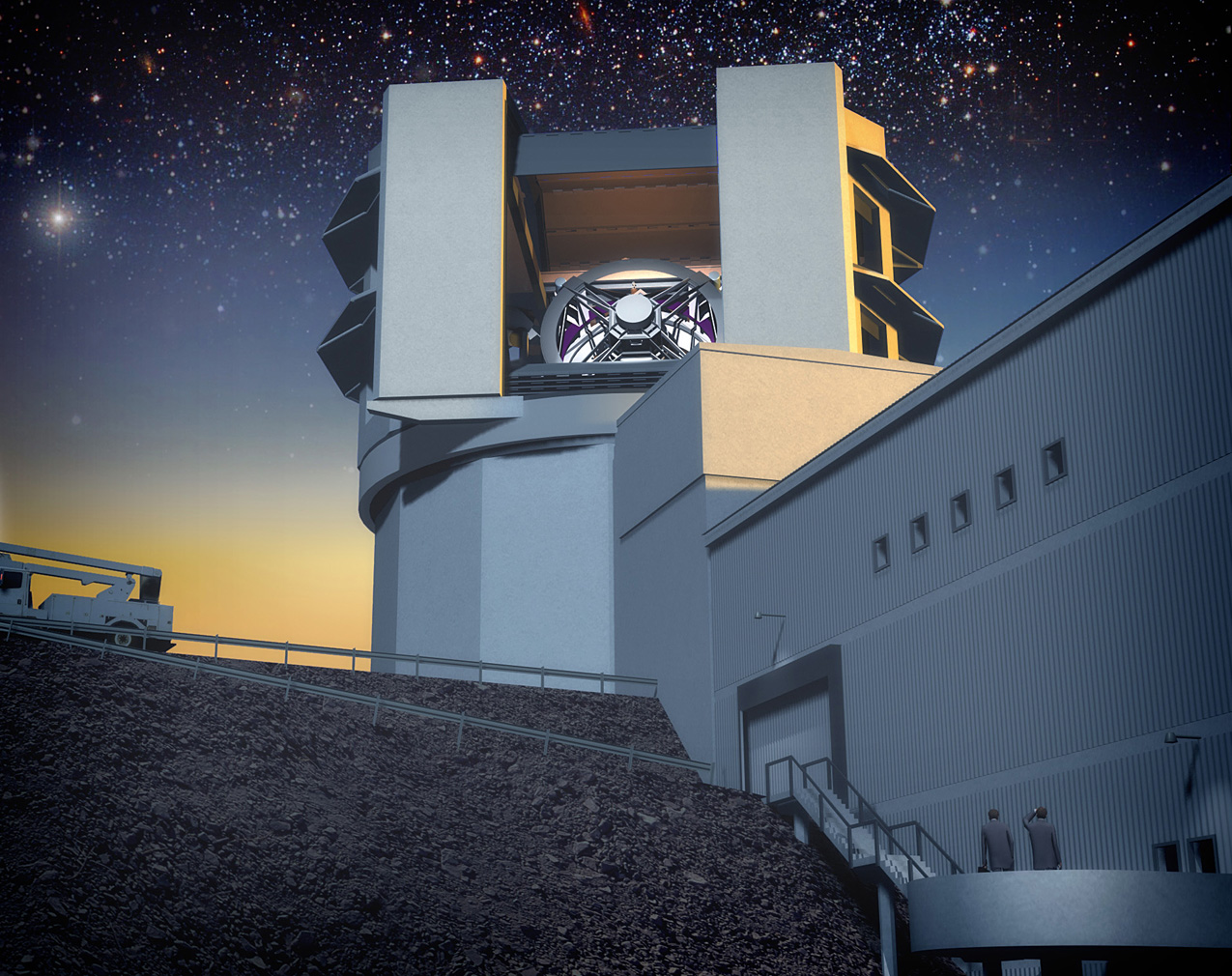
Large sky surveys like SDSS and 2MASS have become widely successful and have prompted a next generation of dedicated survey telescopes like LSST, the Dark Energy Survey, and Pan-STARRS. These telescopes will unleash a tidal wave of data into astronomers’ open arms (or external hard drives). But how do you catch a tidal wave?
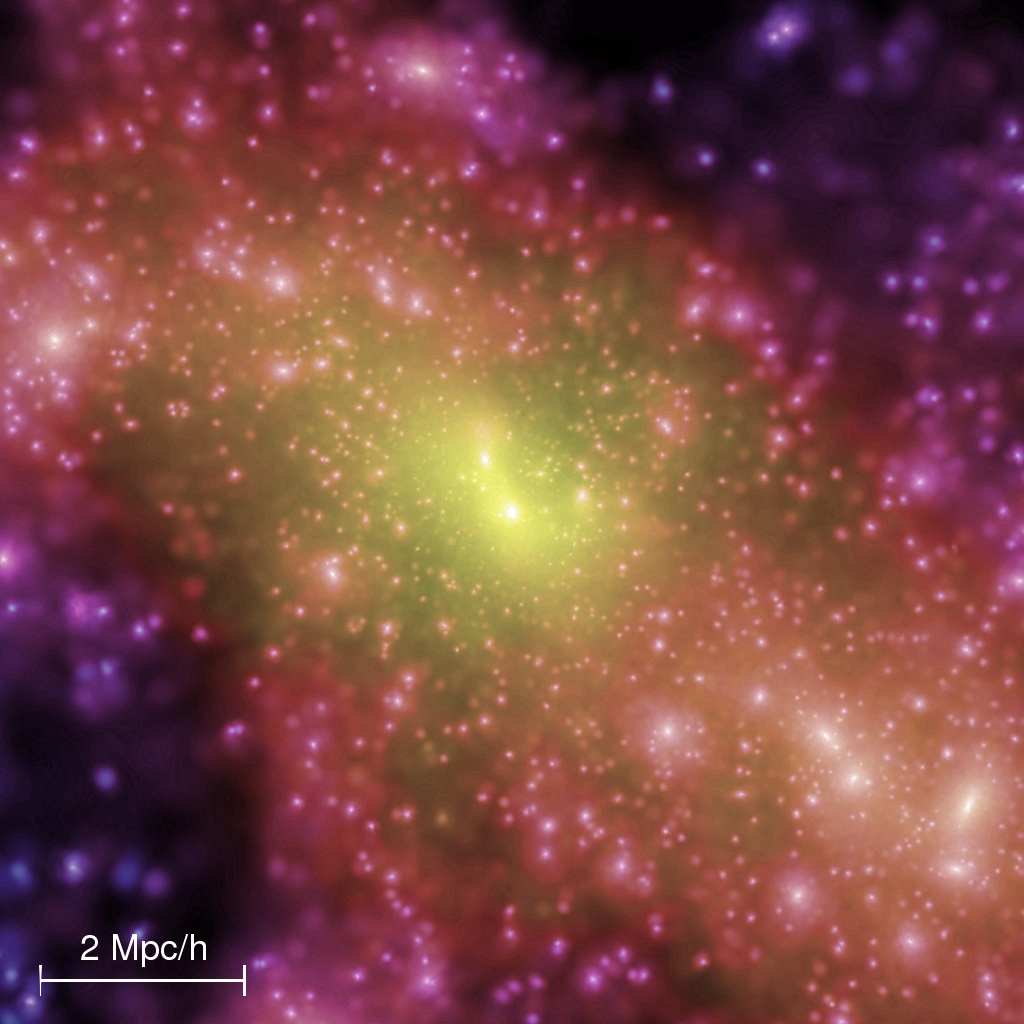
Many simulations of our universe result in a similar discrepancy with current observations. The simulations predict an abundance of subhalos around galaxies the size of our Milky Way which are an order of magnitude higher than observations suggest. This paper tackles the issue of detecting these presumably faint subhalos by analyzing the effects they might have on streams from globular clusters and other satellite galaxies we know to exist.
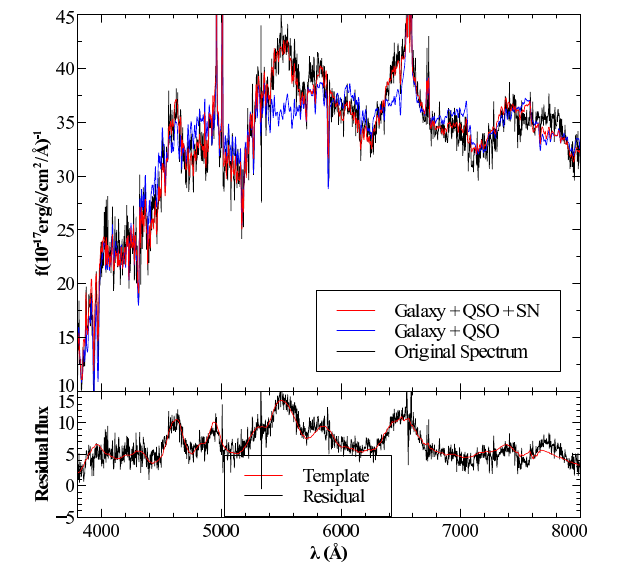
Each galaxy in the sky will probably produce just one or two supernovae in our lifetimes, so you have to be lucky to spot one. But if you happen to be observing hundreds of thousands of galaxies anyway, you’re bound to catch a few.