by Aaron Bray | Jun 18, 2011 | Daily Paper Summaries
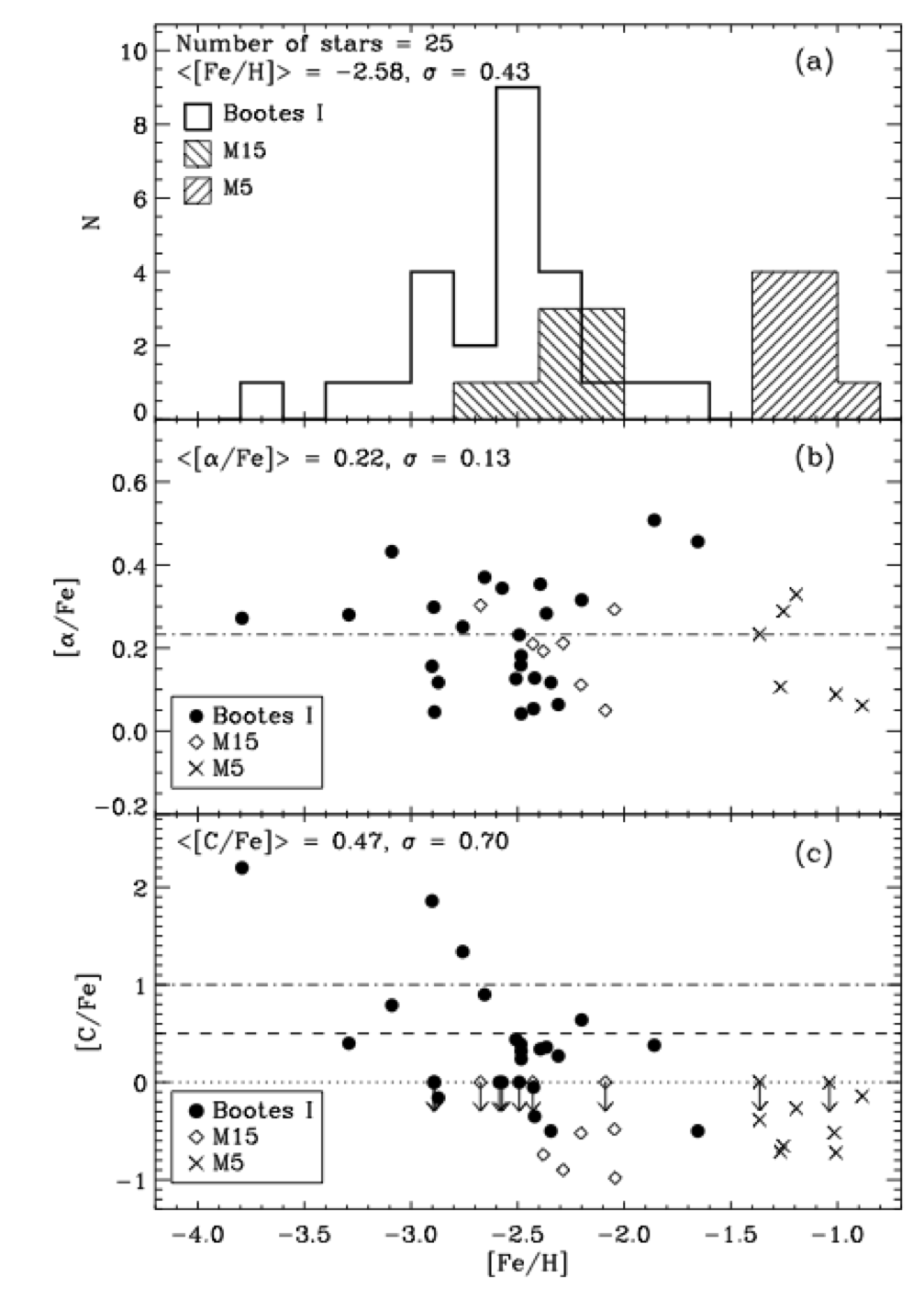
Lai et al. use spectroscopic observations to determine the metallicity abundances of stars from the Bootes I dwarf galaxy, in order to better understand the formation history of the Milky Way.
by Ian Czekala | Jun 9, 2011 | Daily Paper Summaries
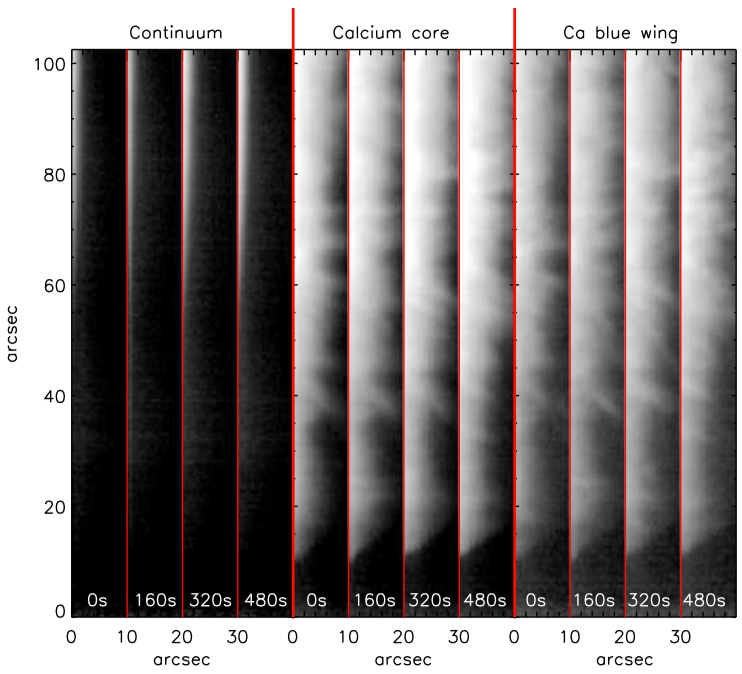
In previous astrobites, we’ve emphasized how important spectroscopy is to an astrophysicist’s understanding of the universe. From radial velocity measurements involved in the discovery of planets, determination of the ionization history of the universe, characterization of P Cygni profiles and more, spectroscopic analysis is a crucial part of an astrophysicist’s toolbox. These sources are faint! If you are impressed by the results obtained by galactic and extra-galactic spectroscopy, be prepared to marvel at the extremely high signal to noise data that can be obtained by observing our brightest source in the sky, the Sun. The sun is truly a spectroscopist’s delight.
by Aaron Bray | Jun 5, 2011 | Daily Paper Summaries
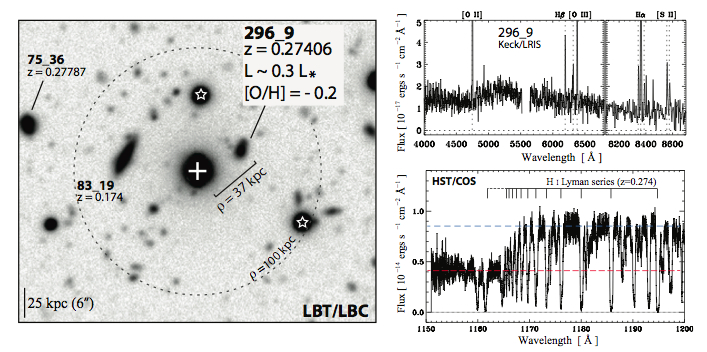
Ribaudo et al. present observations of a low-metallicity gas system and associated galaxy that they argue provide evidence for what is known as “cold mode accretion”, whereby baryons fall to the center of a dark matter halo without being shock heated.
by Tanmoy Laskar | May 8, 2011 | Quick Notes
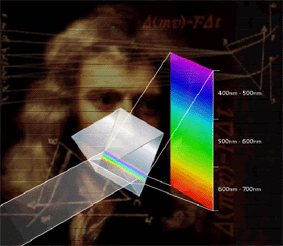
Astronomers seldom touch, smell, hear, or taste astronomical sources – their primary sensory input is light. Read about how astronomers use the electromagnetic spectrum to unravel the mysteries of the Universe!
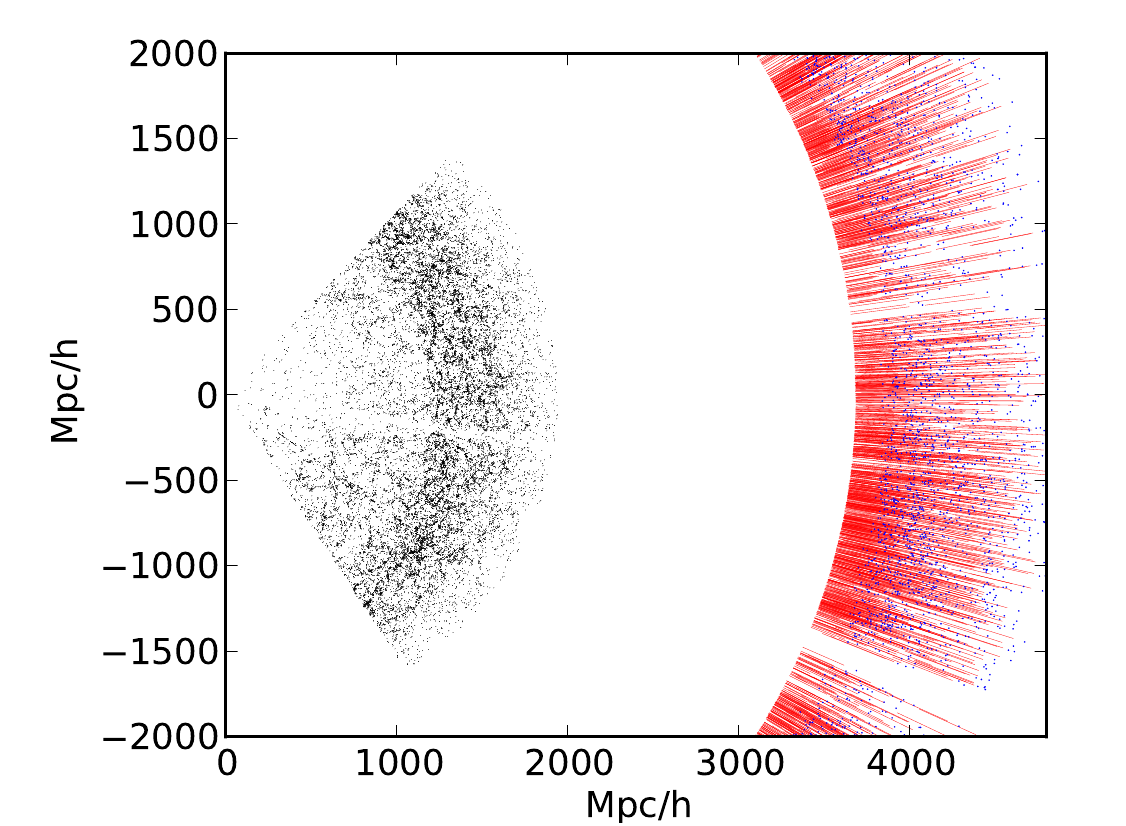
by Nathan Sanders | May 2, 2011 | Daily Paper Summaries
The BOSS project of the Sloan Digital Sky Survey is exploiting the Lyman-α forest in distant quasars to make a 3D map of neutral hydrogen in the early universe.
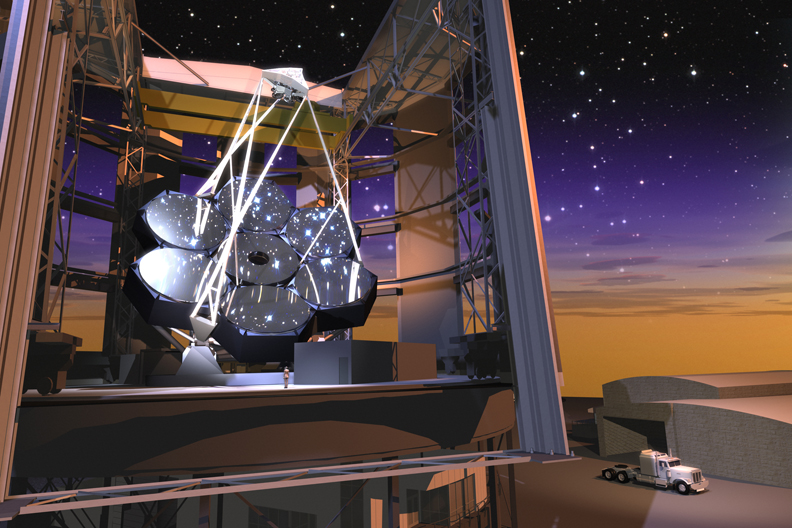
by Courtney Dressing | Apr 27, 2011 | Quick Notes
Check out our newest glossary describing the ground-based and space-based observatories used by astronomers.
