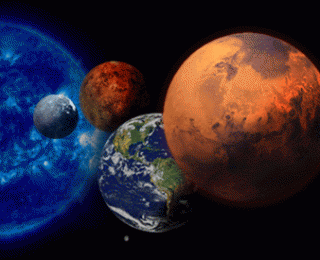
Creating a Cosmic Inventory of Rocky Planets
Combining cosmology, galaxy formation, and exoplanet science together, can we calculate the number of rocky planets in the entire universe?

Combining cosmology, galaxy formation, and exoplanet science together, can we calculate the number of rocky planets in the entire universe?
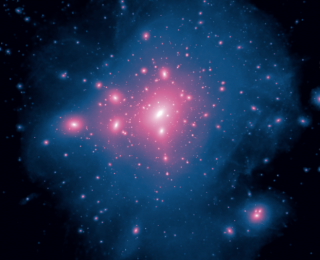
We can’t study dark matter directly by our usual means of studying the cosmos: light. But dark matter leaves its fingerprints on the universe in other ways…
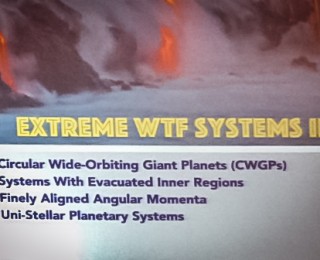
The third Extreme Solar System conference was held between Nov 29 to Dec 4th, in Kona, Hawaii, on the 20th anniversary of the first exoplanet detection around a main sequence star. This astrobite gives a brief overview of the conference.
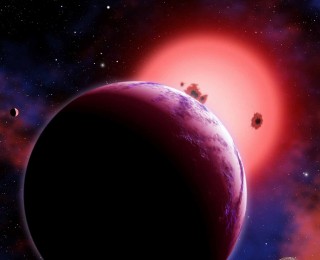
Can life on exo-worlds build its own habitable environment in extremely unfavourable conditions?
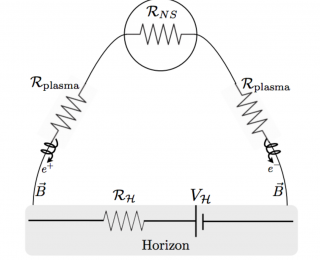
Some fast radio bursts might be the result of a black hole lighting up a neutron star.
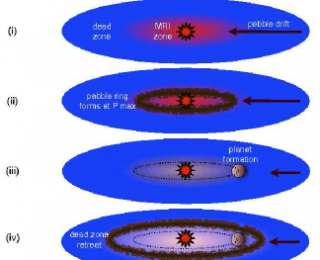
Planets with radii between Earth and Neptune and small radii are the most common in planetary systems. These planets are challenging to explain with classical models of planets. Do planets form instead in-situ in an inside-out manner?