
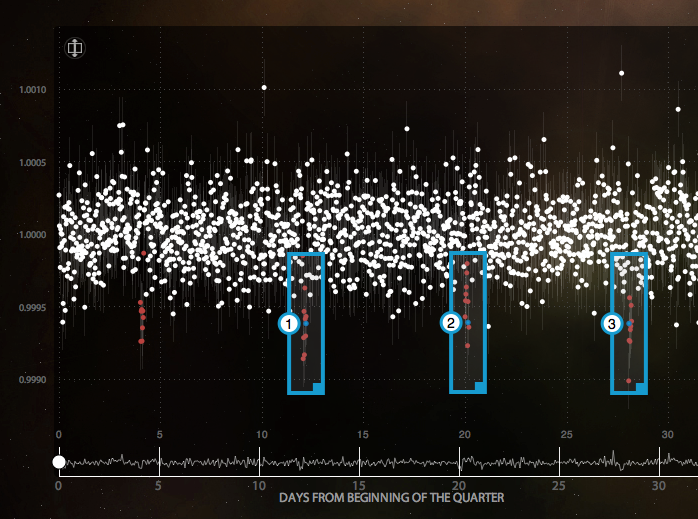
Crowd-sourcing Science: Planet Hunters find two new planet candidates
Planet Hunters is a Citizen Science project, aiming to analyze the slew of data from the Kepler Space Telescope. Planet Hunters look for transit signals in the data, which cause the light from the star to dim periodically.This project is designed to complement the efforts of other scientists to analyze the data using computer algorithms. This paper presents results of the first two planet candidates to be identified using this method, demonstrating that this type of citizen science project is a valuable tool for exoplanet detection.
Target-Centric Astronomy
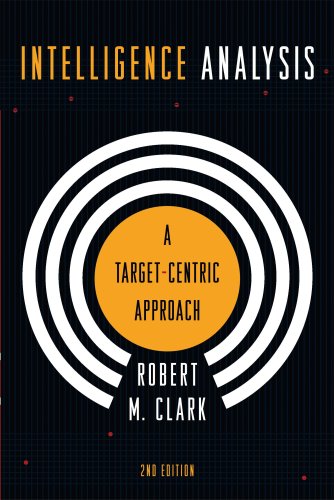
Astronomy has a kindred cousin, a cool one who wears his sunglasses at night: intelligence analysis. I don’t just mean reconnaissance satellites, either; the process of astronomy, that of observing and drawing conclusions, is possibly the most similar of all the sciences to the process of intelligence gathering. Both fields deal with low signal-to-noise regimes that are based primarily on observation rather than experimentation. Both fields must continually account for errors and biases that could easily lead to false or falsely credited conclusions. And thus it behooves us as astronomers to learn from our cousins on the other side of the fence, who may not have been in the business quite as long or have quite as much ground to cover, but who certainly have a lot more pressure to produce results. That’s why today I’m going to be talking about Robert M. Clark’s key textbook Intelligence Analysis: A Target-Centric Approach, and what lessons it holds for you as a professional scientist.
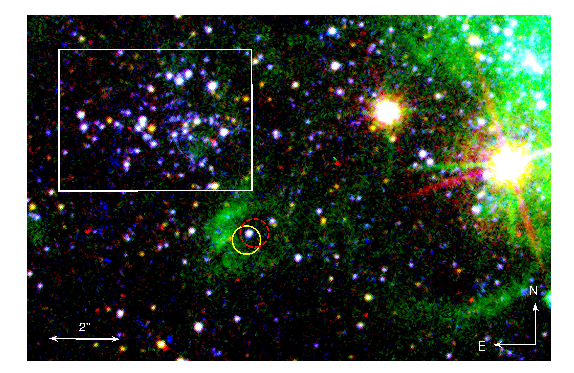
Ultra-Luminous X-ray Sources and Intermediate Mass Black Holes: A lost middle sibling in the black hole family tree?
Continuums seem to be the name of the game in astronomy. On more than one occasion, astronomers have defined discrete subclasses for a type of phenomena only to later discover objects which populate an intermediate space between their original classifications. So… what about black holes?
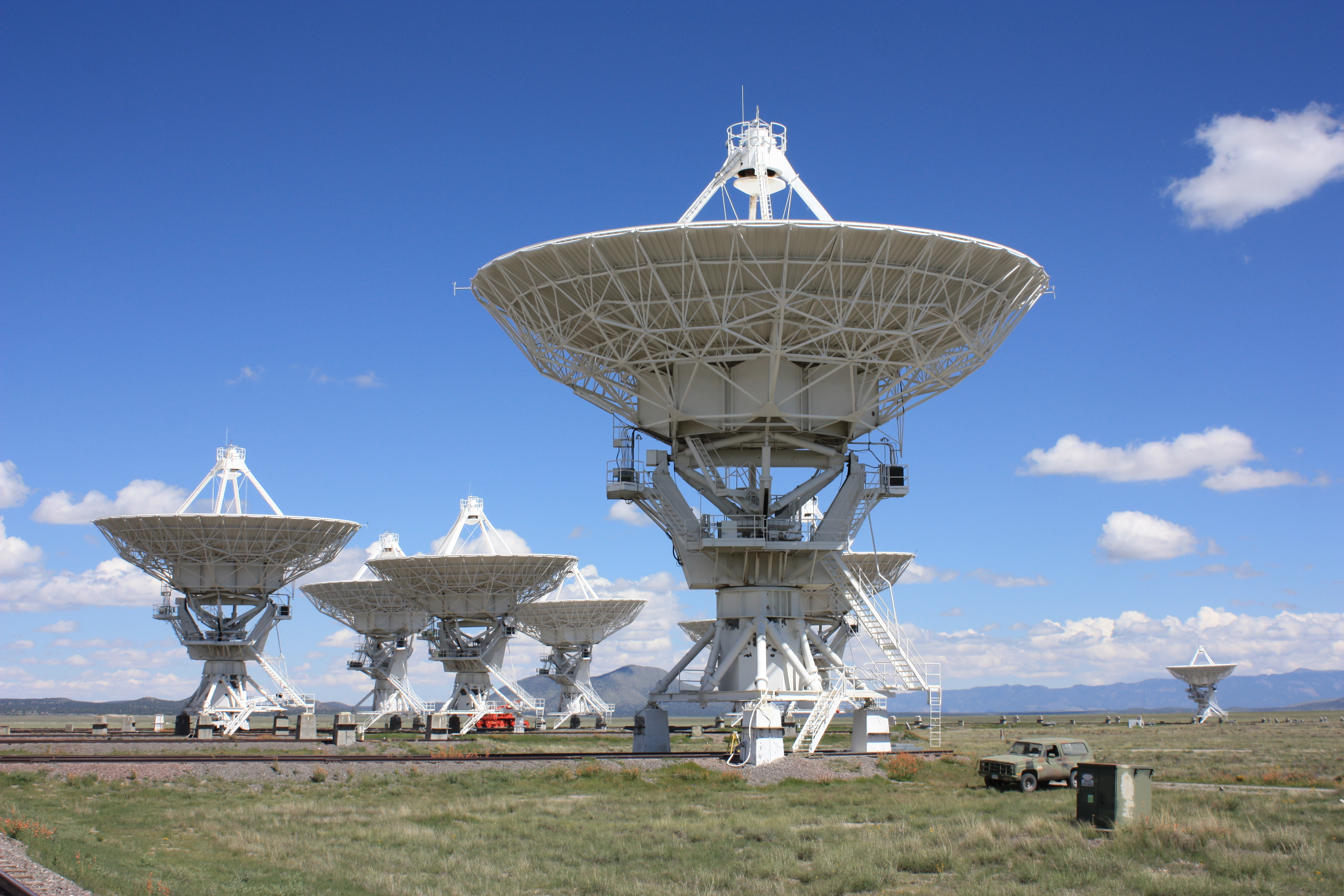
NRAO, EVLA, VLBA, ALMA, AIPS, CASA
Along with several other graduate students from Harvard University, I attended the first EVLA data reduction workshop in Socorro, New Mexico. Around 25 graduate students and researchers were present, along with many post-doctoral fellows and NRAO staff that devoted their time to help us learn how to use CASA, or Common Astronomy Software Applications.