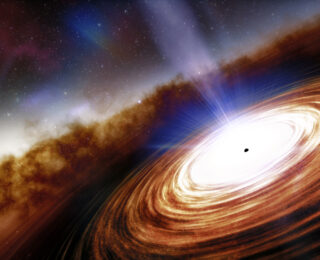
Astrobites at AAS 237: Day 2
We report on Day 2 of the virtual winter AAS meeting.

We report on Day 2 of the virtual winter AAS meeting.
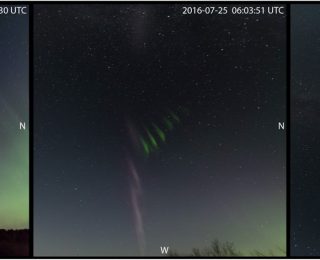
Since its discovery in 2016, we’ve had no idea what the aurora phenomenon called “STEVE” actually is. Using multiple ground- and space-based datasets, we finally have some idea (spoiler: it might not be a typical aurora after all!).
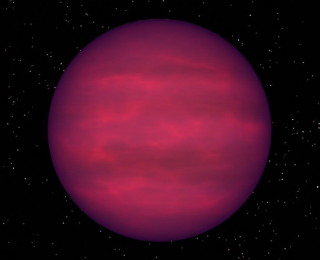
Brown dwarfs are objects below the mass limit to become a star. It’s been less than 20 years since we’ve detected the first one. Can citizen science help us increase our numbers?
Image credits: R. Hurt/NASA
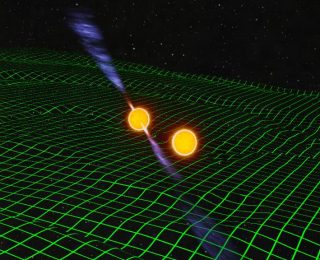
Instead of sitting around and twiddling its thumbs when unused, your computer could be contributing to science! Today’s astrobite highlights the discovery of a rare system that was uncovered through the Einstein@Home project.
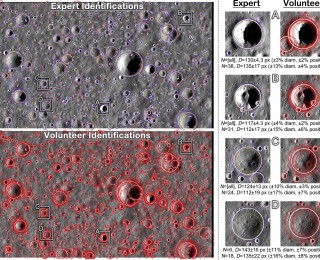
How good are citizen-scientists at characterizing crater densities and size distributions on the lunar surface? For that matter how good are the experts? Today’s study attempts to answer these questions by having a group of experts analyze images of the Moon from the Lunar Reconnaissance Orbiter Camera.
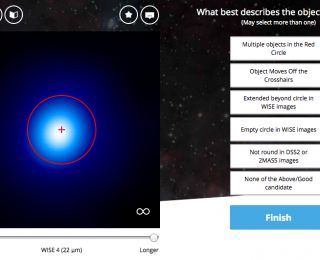
Finding circumstellar disks in the Wide-Field Infrared Survey Explorer data is a tough job, but fortunately our brains are even better suited to the task than computers! You can help by lending your pattern-recognition skills to Disk Detective, the Zooniverse’s newest citizen science project.