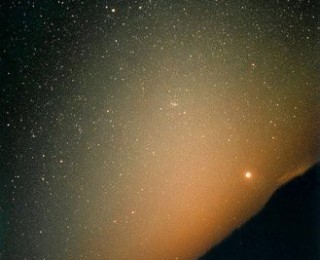
Viewing the Zodiacal Light
The zodiacal light may look beautiful, but it can get in the way of important observations. This paper suggests improvements to models of the dust cloud using observations from the Spitzer Space Telescope.

The zodiacal light may look beautiful, but it can get in the way of important observations. This paper suggests improvements to models of the dust cloud using observations from the Spitzer Space Telescope.
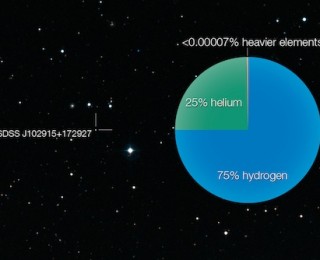
The low-mass primitive halo star, SDSS J102915+172927, puzzled astronomers because of it’s extremely low metal content. This article aims to answer under what physical conditions can a star like this form.
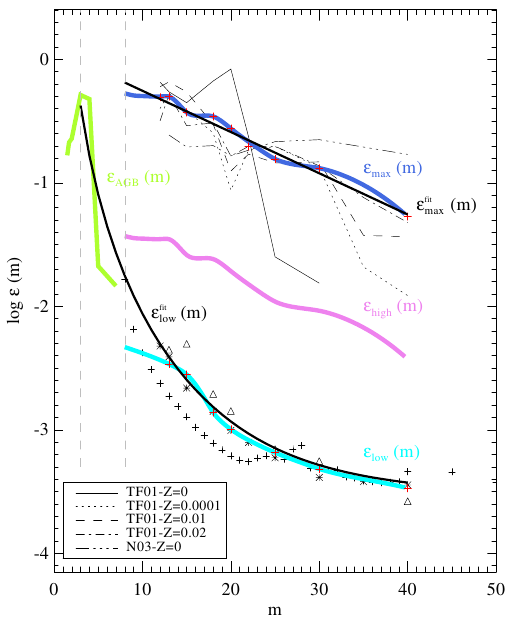
I just vacuumed my apartment and asked the question, ‘how does so much dust accumulate in one week?’ These authors ask a more scientifically interesting question: how can galaxies accumulate more than 100 million solar masses of dust in just a few hundred million years?
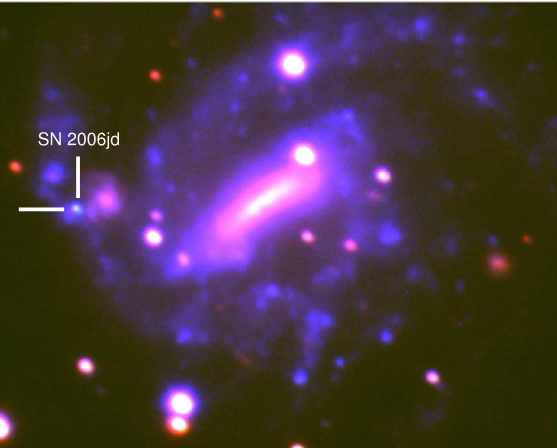
Many astronomers have an ambivalent relationship towards “dust” in our cosmos. Not quite like what you may find at the back of your cupboard, astrophysical dust is really more like smoke, with particulates roughly micron-sized and composed of carbon, nitrogen, oxygen, silicon, and other things that astronomers broadly term “metals.” Some of the best candidate sites for dust formation include cool stellar winds from evolved stars, and in the aftermath of supernovae and novae.

Some astrophysicists must work in space – or as close as they can get – to accomplish their research. This paper discusses an experiment studying how dust can stick together and form planetesimals.
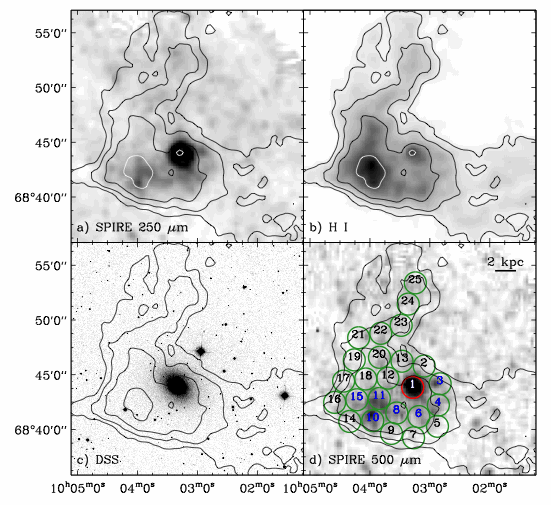
The interacting galaxies in the M 81 triplet are interconnected by tidal features. In this work, the authors study dust in the NGC 3077 tidal stream and discuss its implications.