by Anna Rosen | Sep 12, 2011 | Daily Paper Summaries
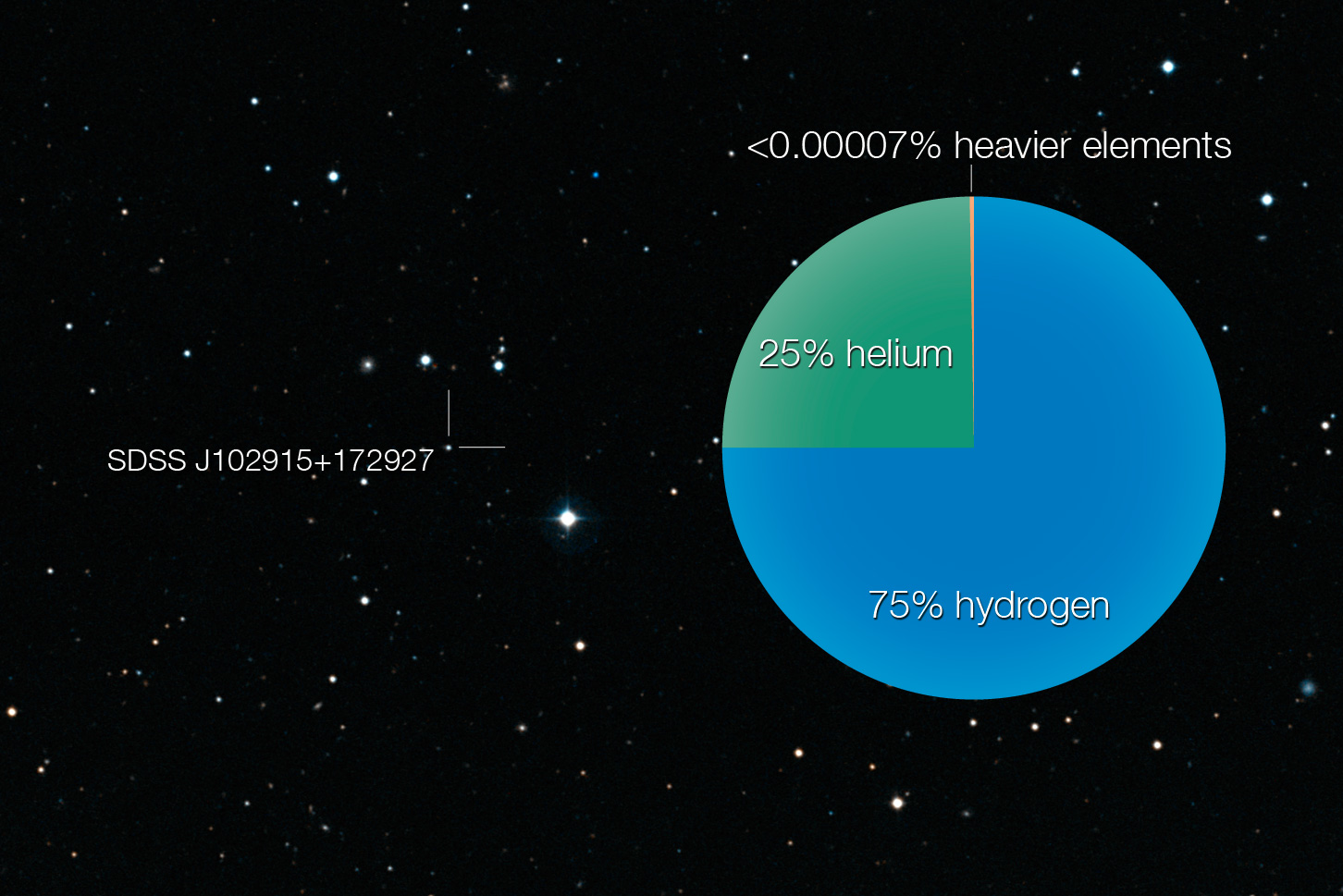
Astronomers have discovered an extremely metal-poor, low mass star located in the Galactic Halo. SDSS J102915+172927 appears to have fewer metals than ever predicted for stars of this mass since many models of star formation suggest that a star with these properties should not have even formed in the early universe.
by Elisabeth Newton | Aug 17, 2011 | Daily Paper Summaries
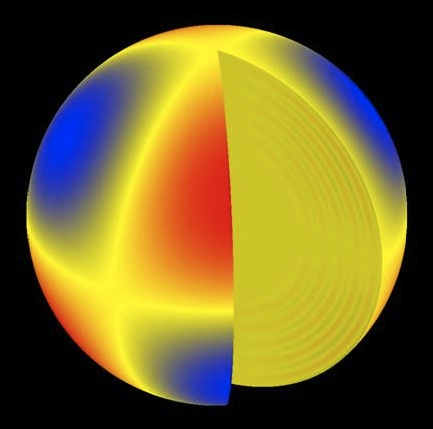
If there’s one type of star you’d think astronomers would know a lot about, it’s probably solar-type stars. After all, humans have been staring at our very near neighbor for millennia and in the recent century have dedicated entire space missions to studying this archetype. But there is always more to be learned and new tools like asteroseismology continue to open up avenues of study previously closed.
by Nathan Sanders | Jun 13, 2011 | Daily Paper Summaries
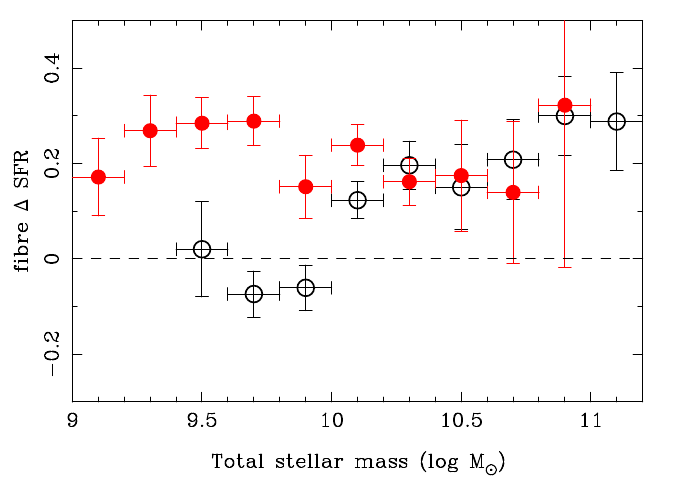
Star formation at the center of galaxies can be triggered by both internal and external processes. In their new work, Ellison et al. argue that the internal processes may be more important.
by Elisabeth Newton | Jan 24, 2011 | Daily Paper Summaries
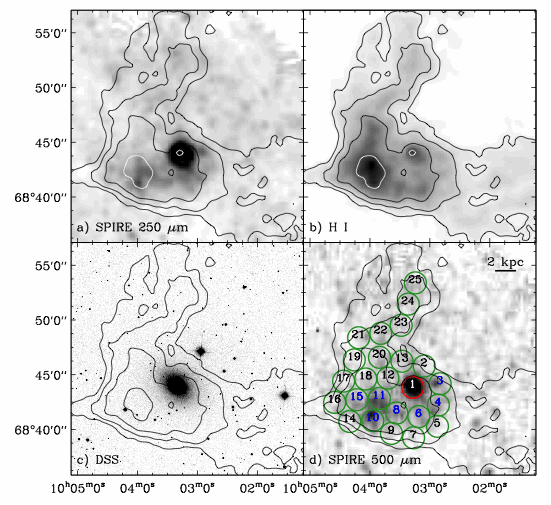
The interacting galaxies in the M 81 triplet are interconnected by tidal features. In this work, the authors study dust in the NGC 3077 tidal stream and discuss its implications.

by Courtney Dressing | Jan 20, 2011 | Daily Paper Summaries
In everyday life, measuring distances is easy. In astronomy, however, accurate distance measurements are complicated by a whole host of factors. These authors are improving methods to determine the distance to small M Dwarf stars.
by Nathan Sanders | Jan 18, 2011 | Daily Paper Summaries
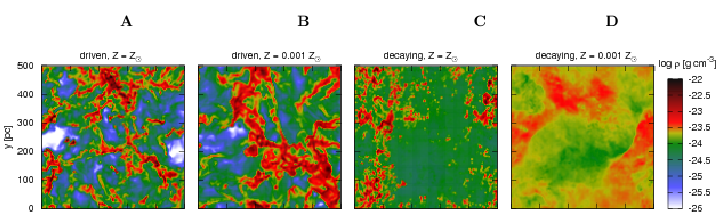
Incorporating all the effects relevant to star formation into accurate simulations of the interstellar medium is a major frontier in astrophysics. These authors start to tackle the effects of chemical composition.
