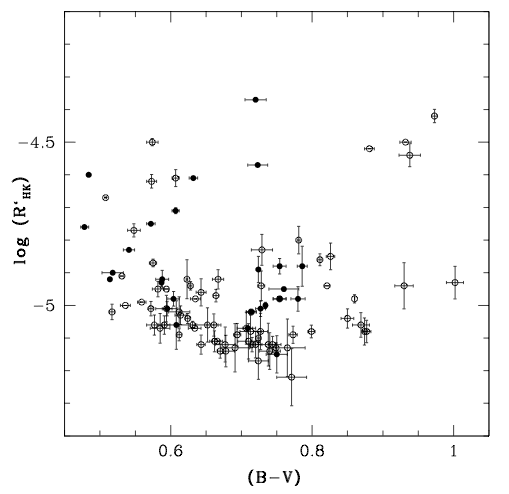
Are Stars with Planets More Active?
Do close-in planets cause their host stars to become more magnetically active? Canto Martins et al. compare stars with and without planets to address this question.

Do close-in planets cause their host stars to become more magnetically active? Canto Martins et al. compare stars with and without planets to address this question.
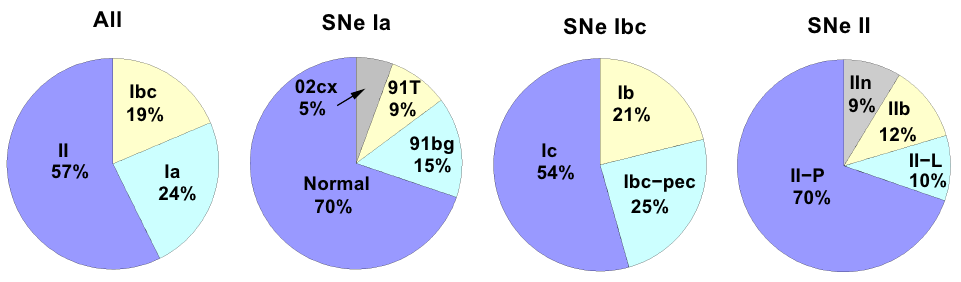
Supernovae, the extremely luminous explosions that are the catastrophic deaths of stars, are used directly and indirectly by astronomers of many disciplines. Cosmologists use type Ia supernovae as powerful “standard candles” to probe the farthest rungs of the cosmic distance ladder. Astrochemists studying the interstellar medium (ISM) track supernovae feedback of heavier elements that enrich the ISM. Astrophysicists working on star formation look for evidence of supernovae-induced collapse of molecular clouds. If supernovae are such ubiquitous tools, then it must be essential to understand the actual supernova (SN) mechanism itself.
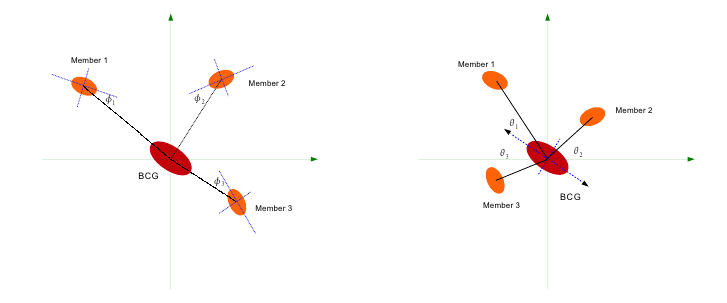
If you see a bunch of galaxies together in a cluster, are their orientations and orbits random or do they align?
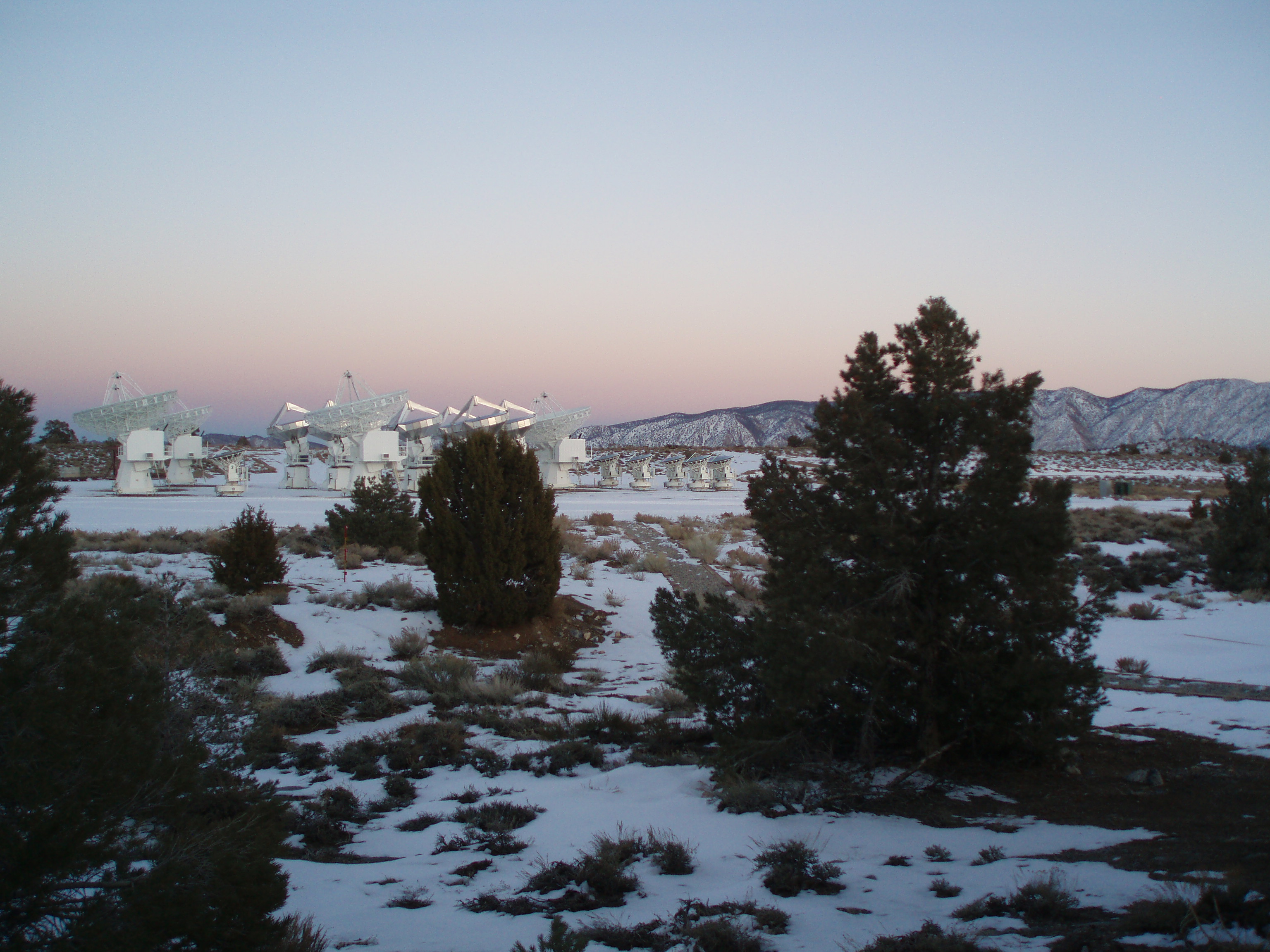
Observing at CARMA is a unique experience, certainly compared to daily life as a grad student, and even compared to observing at other telescope facilities.
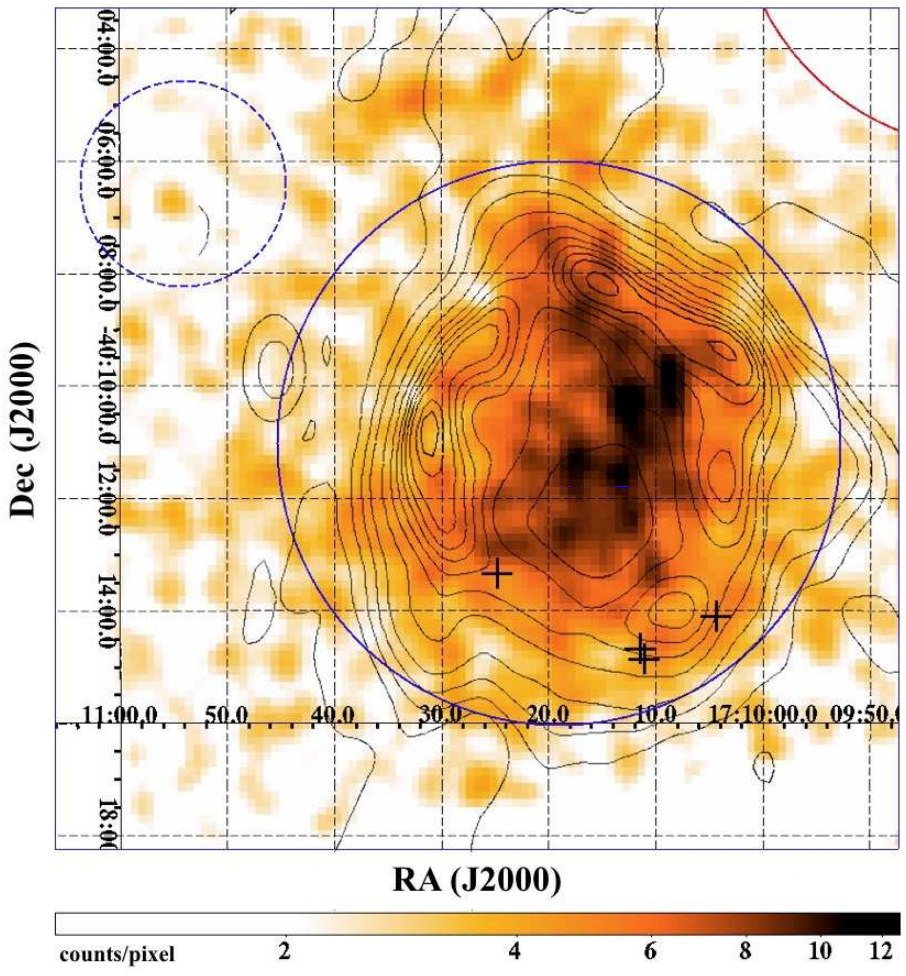
In this, the first in a series of astrobites on Supernova Remnants during various stages of evolution, we wonder at ejecta-dominated SNRs: what are they, how do they shine, and what can we learn by studying them?
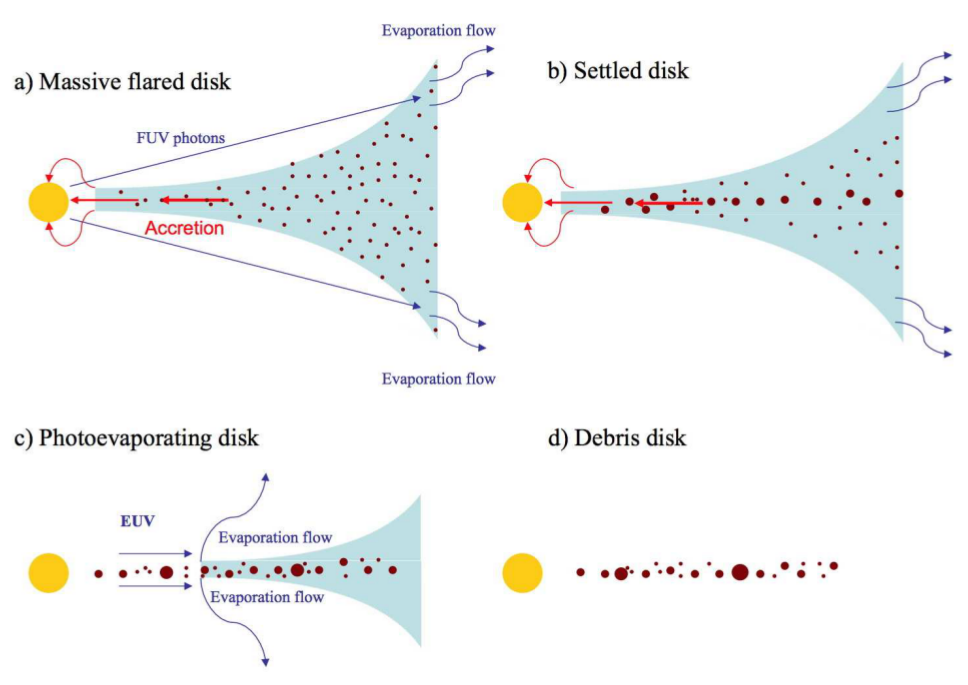
In a new review article, Jonathan Williams and Lucas Cieza at the Institute for Astronomy (IfA) describe the life-story of protoplanetary disks from formation from collapsing molecular clouds to the end-state of a planetary system. Infrared telescopes like Spitzer and sub-millimeter radio telescopes like the the James Clerk Maxwell Telescope, the Submillimeter Array (SMA), and the Combined Array for Research in Millimeter Astronomy (CARMA) have greatly revolutionized the study of protoplanetary disks because they can probe the emission at the longer wavelengths where the disk emission is strongest.