by Katherine Rosenfeld | Mar 4, 2011 | Daily Paper Summaries
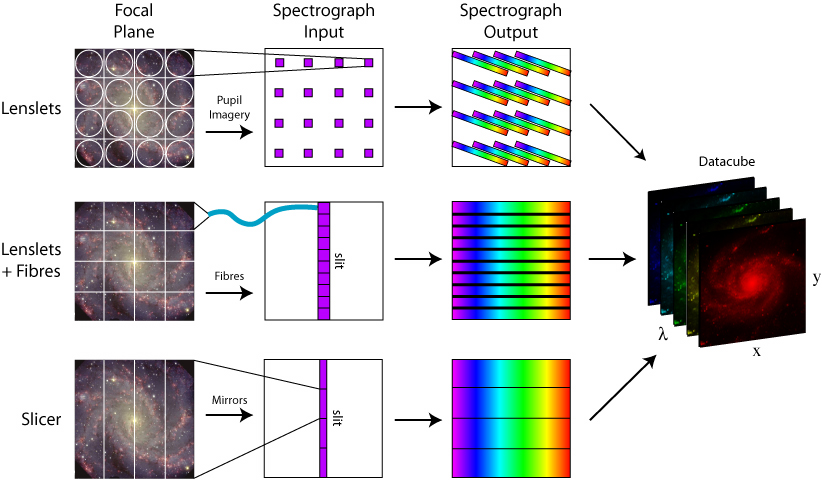
While theoreticians might work in many dimensions, observationalists must often do their analysis using very few. This paper presents observations of a classical nova from two types of spectrographs that determine a distance to the nova and a map of its morphology.
by Elisabeth Newton | Mar 3, 2011 | Daily Paper Summaries
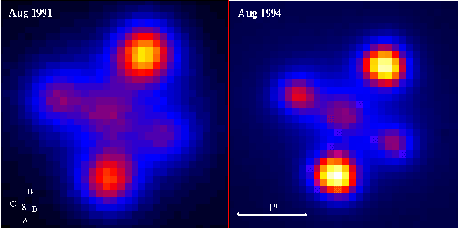
Some strong gravitational lenses exhibit what are known as “anomalous flux ratios”: the multiple images don’t have the same flux. One possible explanation for this is microlensing, which results from the gravitational influence of stars and perhaps dark matter.

by Courtney Dressing | Mar 2, 2011 | Daily Paper Summaries
Ballard et al. analyze data acquired with EPOXI to search for additional planets in five systems with known planets.
by Dan Gifford | Feb 25, 2011 | Career Navigation
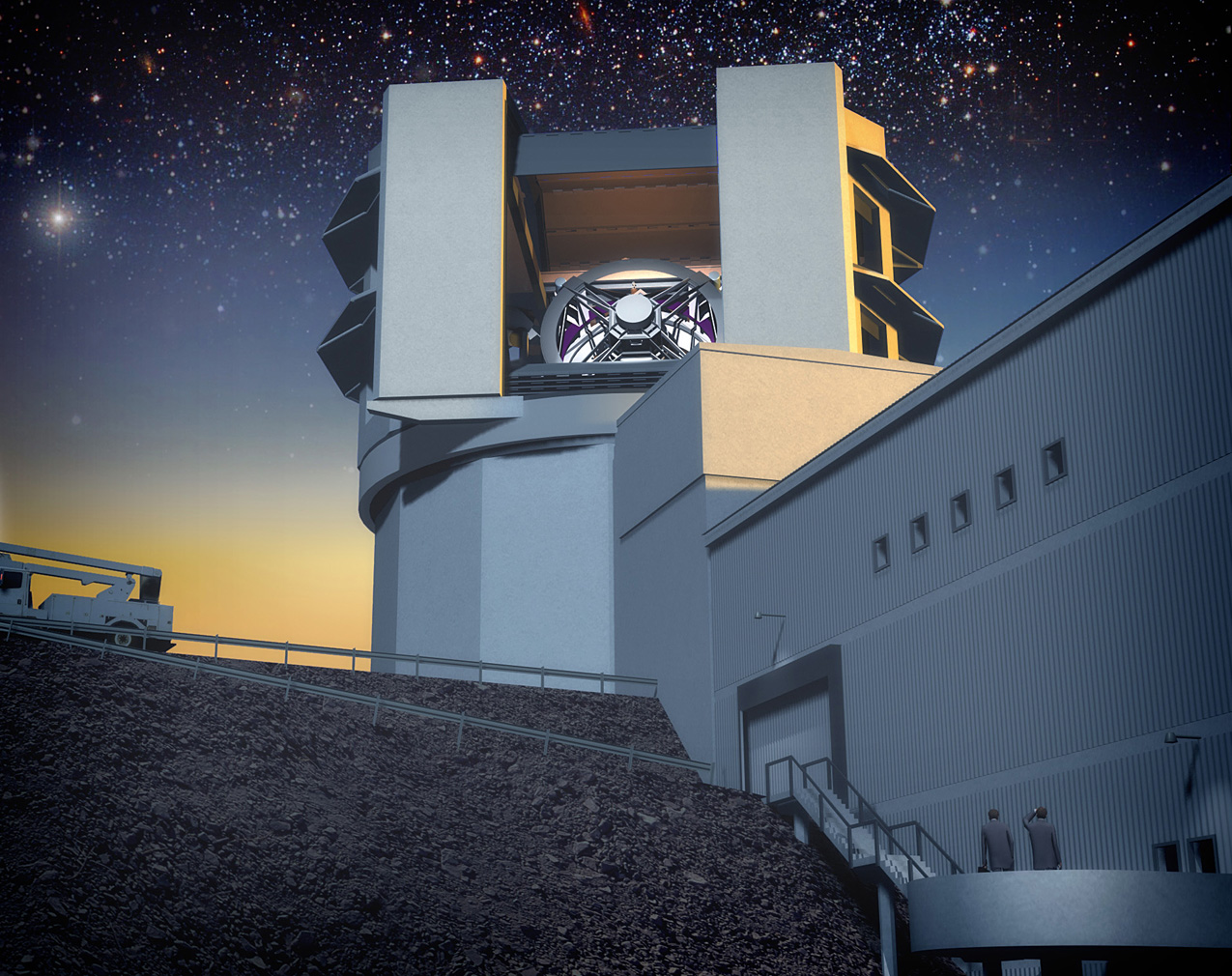
Large sky surveys like SDSS and 2MASS have become widely successful and have prompted a next generation of dedicated survey telescopes like LSST, the Dark Energy Survey, and Pan-STARRS. These telescopes will unleash a tidal wave of data into astronomers’ open arms (or external hard drives). But how do you catch a tidal wave?

by Courtney Dressing | Feb 21, 2011 | Daily Paper Summaries
Assuming that we have acquired the spectrum of a distant terrestrial planet, what would it look like? Would we able to resolve surface features? More excitingly, would we be able to detect biomarkers in the atmospheres of alien Earths?
by Dan Gifford | Feb 18, 2011 | Daily Paper Summaries
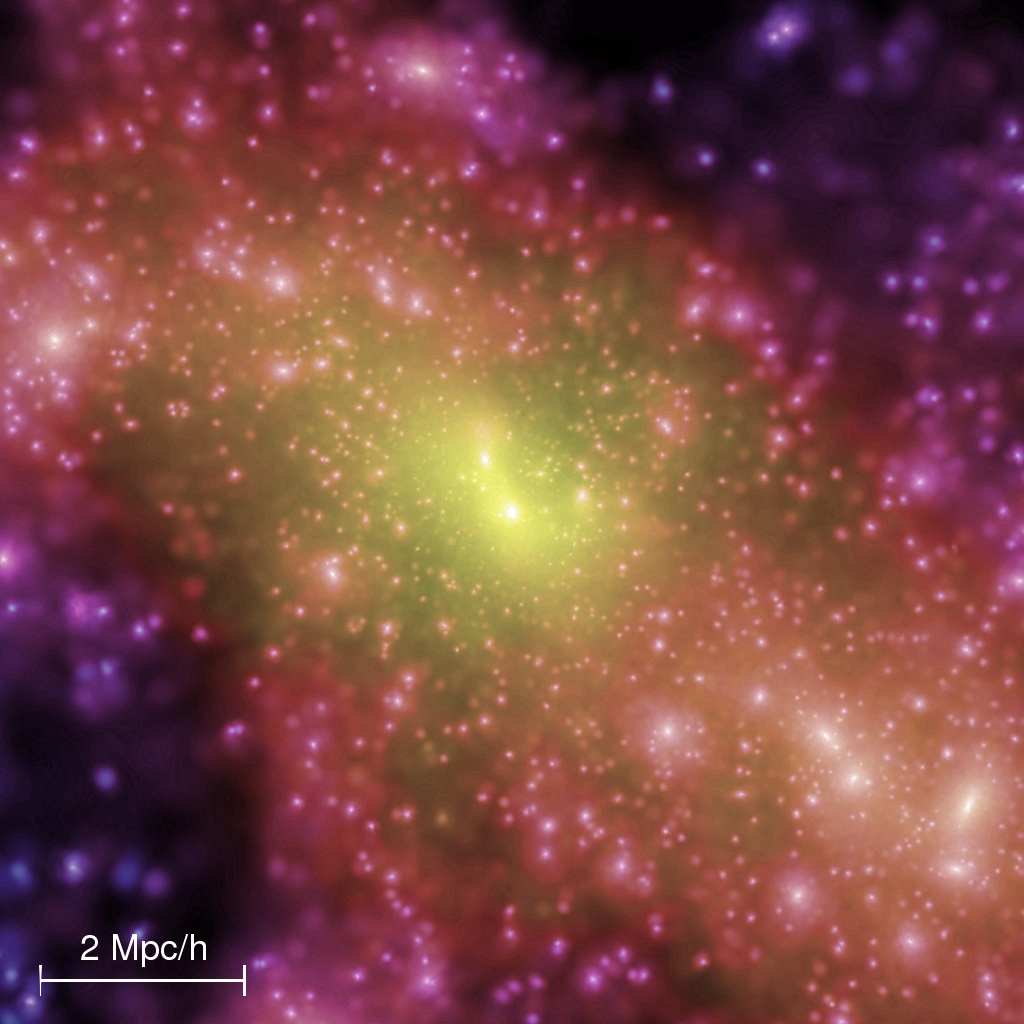
Many simulations of our universe result in a similar discrepancy with current observations. The simulations predict an abundance of subhalos around galaxies the size of our Milky Way which are an order of magnitude higher than observations suggest. This paper tackles the issue of detecting these presumably faint subhalos by analyzing the effects they might have on streams from globular clusters and other satellite galaxies we know to exist.
