by Samuel Factor | Feb 27, 2018 | Daily Paper Summaries
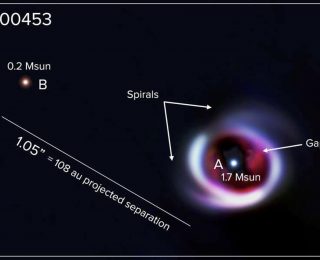
Using 14 years of high resolution near-infrared imaging, radio observations of molecular gas, and a hydrodynamic simulation the authors show that spiral arms seen in the protoplanetary disk around HD 100453 A are caused by its M-dwarf companion.

by Vatsal Panwar | Jan 25, 2018 | Daily Paper Summaries
How can size ordering of multiplanet systems be used to quantify the information content that these systems may retain about their formation history? Think information entropy.
by Samuel Factor | Jan 18, 2018 | Daily Paper Summaries
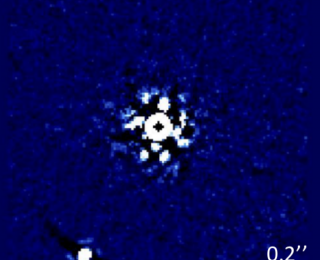
HIP 65426 b is the first planet discovered with the SPHERE imager on the VLT. It is an intriguing planet for future study of cloud formation but how did it form in the first place?
by Elisabeth Matthews | Nov 20, 2017 | Daily Paper Summaries
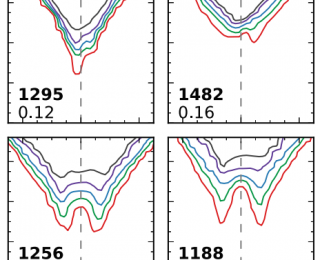
Microlensing could hold the key to studying planet formation in incredibly crowded regions of the galaxy, and today’s paper shows us how.
by Elisabeth Matthews | Sep 14, 2017 | Daily Paper Summaries
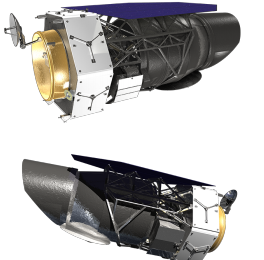
WFIRST is an exciting telescope set to launch into orbit in 2025, and today we explore some of the fascinating Solar System science it might carry out.
by Michael Hammer | Sep 13, 2017 | Daily Paper Summaries
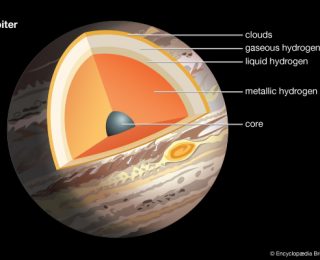
Giant planets take too long to form from large planetesimals. Does including much smaller pebbles fix this problem?
