LOFAR: science at the longest wavelengths
The LOFAR low-frequency radio interferometer is poised to make exciting discoveries in transient searches, high-energy astrophysics, and cosmology.

The LOFAR low-frequency radio interferometer is poised to make exciting discoveries in transient searches, high-energy astrophysics, and cosmology.
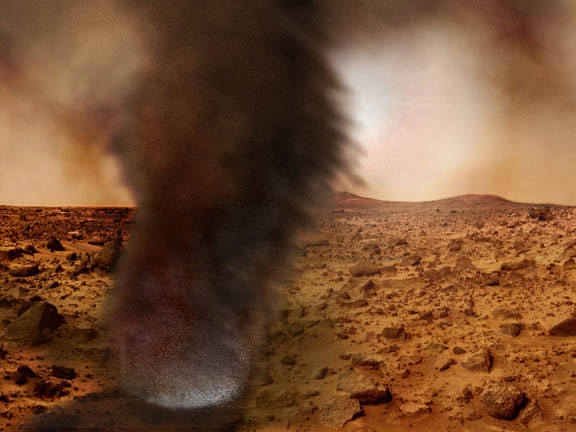
Do dust storms cause lightning on Mars? This paper uses the Allen Telescope Array to search for electrostatic discharge on the Red Planet.
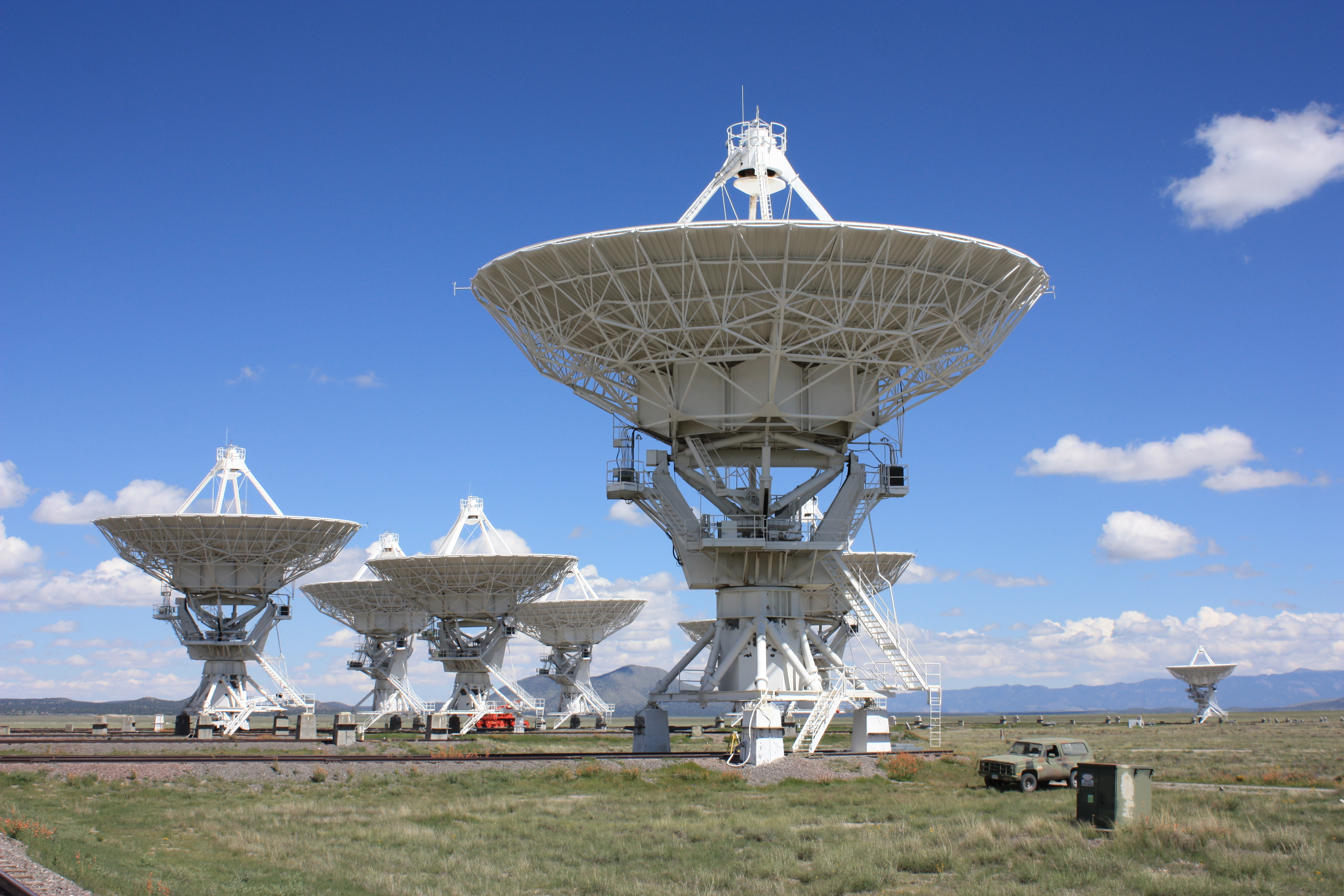
Along with several other graduate students from Harvard University, I attended the first EVLA data reduction workshop in Socorro, New Mexico. Around 25 graduate students and researchers were present, along with many post-doctoral fellows and NRAO staff that devoted their time to help us learn how to use CASA, or Common Astronomy Software Applications.
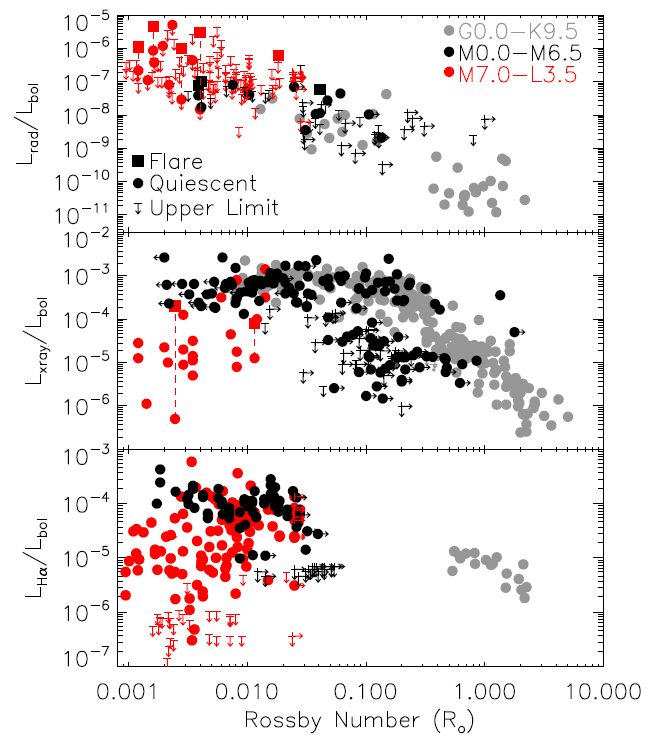
McLean et al. observe a new sample of late-M and L dwarfs with the Very large Array to search for a relation between rotation rate and radio activity for ultracool dwarfs.
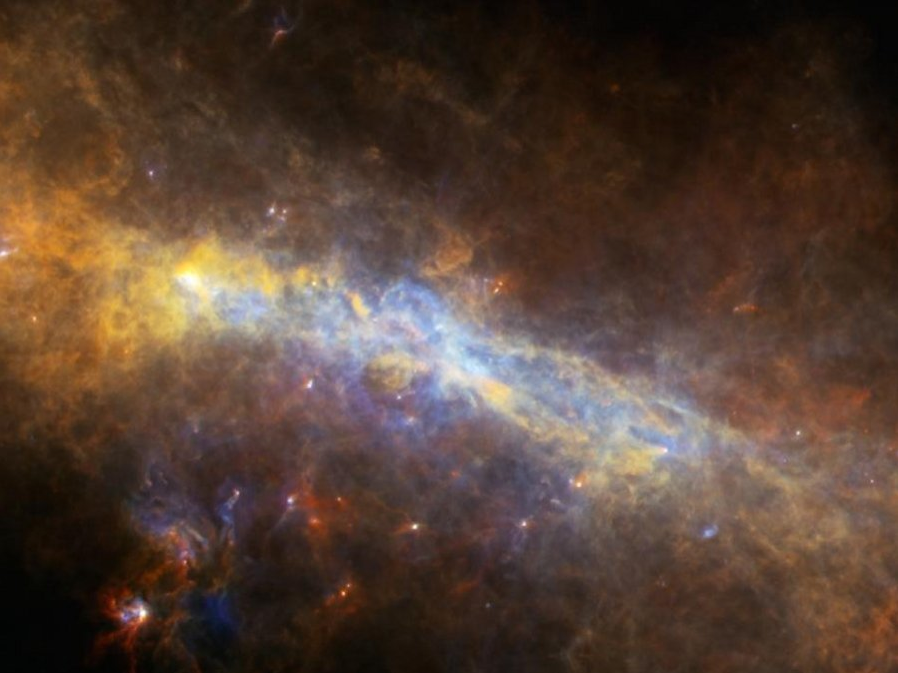
A beautiful structure at the center of our galaxy shows off Hershel’s abilities.
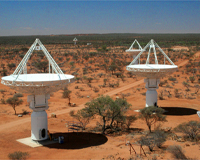
EMU will contribute to many different areas of astrophysics from stars to galaxies to cosmology; it will find interesting objects that can be followed up with other observatories designed for deep observations such as ALMA. ASKAP will also provide an excellent testbed for the new phased array detector technology expected to be used in the Square Kilometre Array in the next decade.