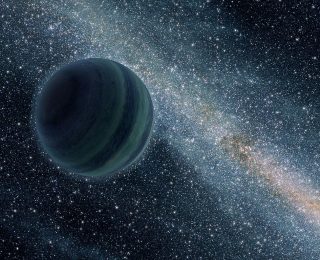
When Planets Won’t Stay Put
Throw a bunch of different planetary systems into your supercomputer and let them simmer for a hundred million years. Eventually, they’ll all be more alike than they started.

Throw a bunch of different planetary systems into your supercomputer and let them simmer for a hundred million years. Eventually, they’ll all be more alike than they started.
Ever knew that the Moon’s orbit can offer clues about the source of your jewelry? Read on today’s bite to find out how!

Prof. Phil Hopkins studies the formation of the many components of our universe — from galaxies and supermassive black holes to stars and planets.
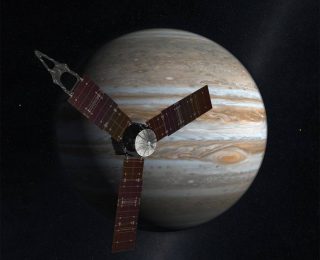
A Happy New Year from everyone at Astrobites! Read on to find out about our fun events, collaborations and top-read articles in the last 12 months!
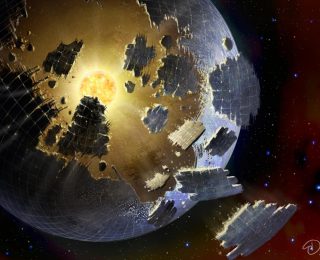
The WTF star, formally known as KIC 8462852, has been causing lots of fuss not only in the scientific community but also in the media. Some suggest strange features in its light curve are the work of an alien civilization. The authors of today’s paper came up with a much simpler solution.
Image credits: Danielle Futselaar / SETI International
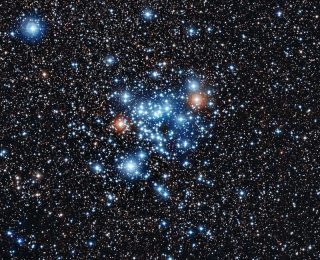
There’s an unexpected population of blue stars identified in clusters, known as blue stragglers. They should have evolved off the main sequence, but some rejuvenating process is in action, keeping them there longer than expected. Their origin and evolution is not fully understood. Today’s paper tackles these two issues, identifying some possible answers as to where these blue straggler stars come from and where they are going.
Image credits: ESA/Hubble