
Cosmic Rays and Dwarf Galaxies
Supernovae in dwarf galaxies can produce large amounts of cosmic rays, which can drastically affect the galaxies.

Supernovae in dwarf galaxies can produce large amounts of cosmic rays, which can drastically affect the galaxies.
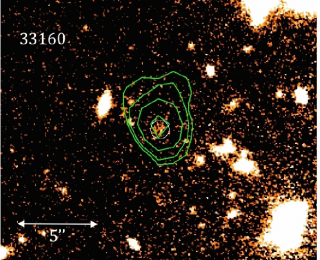
Have we caught a glimpse of some of the earliest black holes in the universe, and what does it mean for our understanding of the early universe?
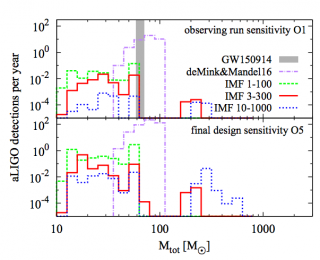
What can aLIGO tell us about the earliest stars? Read today’s astrobite to find out!
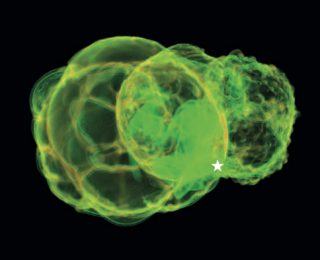
A cosmic orchestra of nearby supernova explosions created the ‘Local Bubble’ all around us. Could these stellar super-bombs have influenced Earth’s climate and even human evolution?
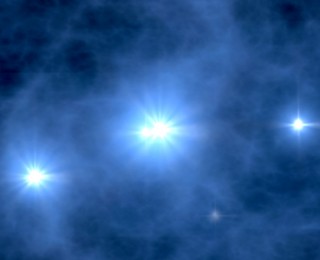
Our Sun’s ancestors are thought to form out of the primordial composition of the early Universe, almost pure hydrogen and helium. How likely are we to observe such stars?
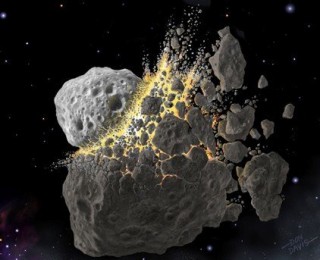
Meteorites originate from violent collisions between asteroids. But can we be sure about that? And what can we learn at all if we do not include ekpyrotic brane cosmologies?