by Chris Faesi | Oct 7, 2014 | Daily Paper Summaries
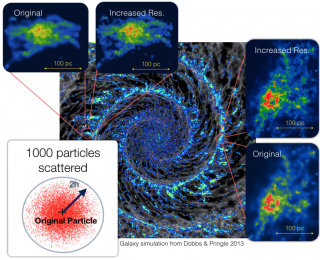
Spherical cows have a long and storied history in physics, but does this type of crude approximation lead to realistic conclusions in the case of star formation? The combination of large- and small- scale simulations tests this idea.
by Josh Fuchs | Sep 30, 2014 | Daily Paper Summaries
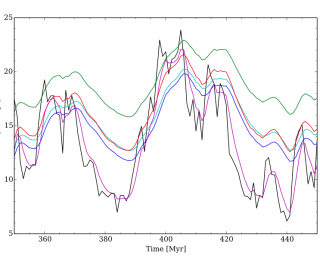
How well do the current methods of measuring the star formation rate of galaxies match then known star formation rate in simulations?
by Josh Fuchs | Aug 5, 2014 | Daily Paper Summaries
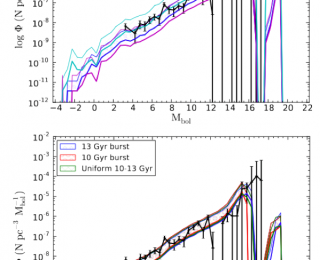
The number and luminosity distribution of white dwarfs stars can be used to help figure out the past history of the Galactic halo.
by Becky Smethurst | Jul 10, 2014 | Daily Paper Summaries
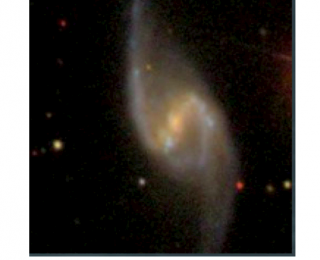
Can bars in a galaxy cause radial migrations of stars? The simulations say yes, but these observations suggest otherwise…
by Erika Nesvold | Jul 4, 2014 | Daily Paper Summaries
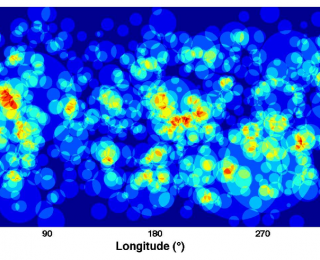
Saturn’s moon Iapetus has been bombarded pretty heavily by debris from the outer Solar System. But it’s not TOO smashed up — its strange, 20-km-high, equatorial ridge is still standing. The authors of this paper simulate the bombardment of Iapetus to figure out how much mass could have collided with the moon without destroying the ridge.
by Jaime Green | Jun 18, 2014 | Daily Paper Summaries
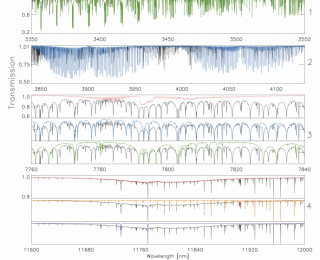
Today’s paper proposes a detection method for technologically advanced life that goes beyond the usual SETI signals: looking at exoplanet atmospheres not just for the presence of life in general, but for the chemical signatures of intelligent life.
