
Fireflies in Starlight: Looking for Planets in the Sirius System
Is there a third companion in the Sirius system? Thalmann et al. conduct direct imaging observations to find out.

Is there a third companion in the Sirius system? Thalmann et al. conduct direct imaging observations to find out.
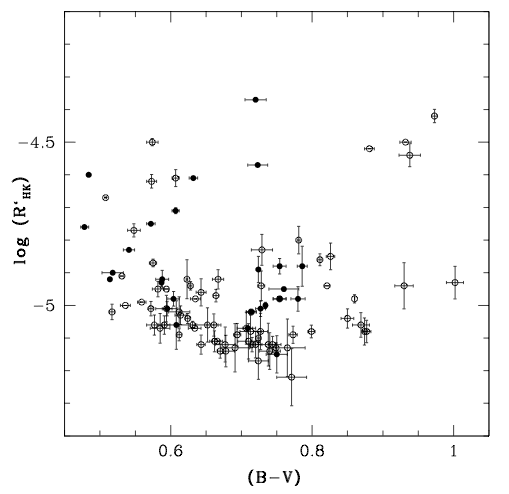
Do close-in planets cause their host stars to become more magnetically active? Canto Martins et al. compare stars with and without planets to address this question.
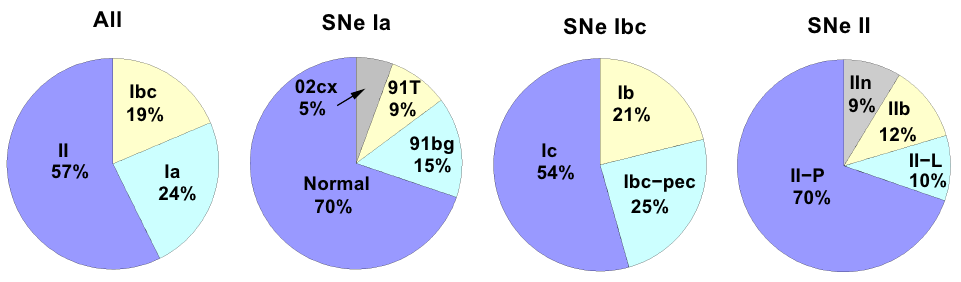
Supernovae, the extremely luminous explosions that are the catastrophic deaths of stars, are used directly and indirectly by astronomers of many disciplines. Cosmologists use type Ia supernovae as powerful “standard candles” to probe the farthest rungs of the cosmic distance ladder. Astrochemists studying the interstellar medium (ISM) track supernovae feedback of heavier elements that enrich the ISM. Astrophysicists working on star formation look for evidence of supernovae-induced collapse of molecular clouds. If supernovae are such ubiquitous tools, then it must be essential to understand the actual supernova (SN) mechanism itself.
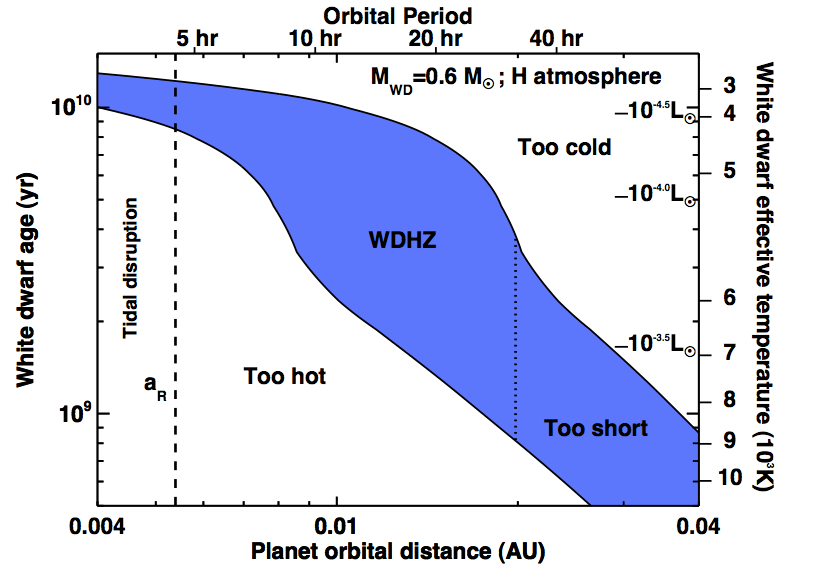
The Kepler mission is doing a fantastic job detecting planets around main sequence stars, but what about white dwarfs? Do they have planets? If they do, Agol 2011 suggests that those planets could be detected in ground-based transit surveys.
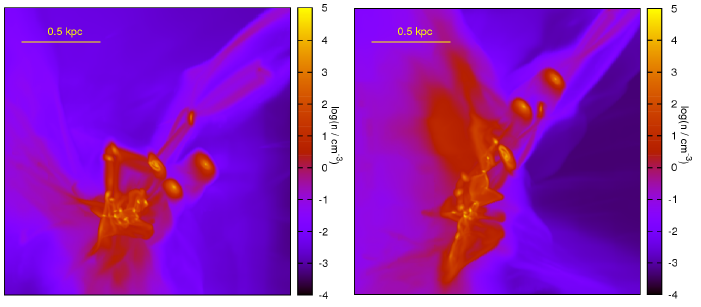
One of the big mysteries in astrophysics is the formation of the first stars. This simulation presents one possible formation mechanism for ancient stars.

In everyday life, measuring distances is easy. In astronomy, however, accurate distance measurements are complicated by a whole host of factors. These authors are improving methods to determine the distance to small M Dwarf stars.