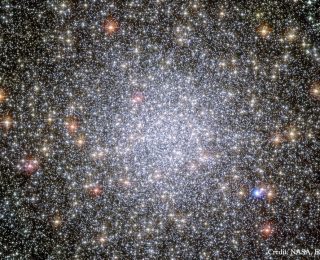
New information from an old result: planets in globular clusters
As the era of transiting exoplanet science dawned, one 1999 survey of a globular cluster came up with a null result. But does that result mean the same thing now?

As the era of transiting exoplanet science dawned, one 1999 survey of a globular cluster came up with a null result. But does that result mean the same thing now?
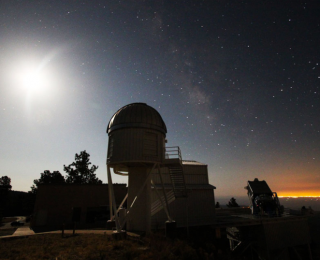
The three-year APOGEE survey was designed to target red giant stars in the Milky Way using near-infrared light, and today’s paper marks the final data release: half a million spectra of 146,000 stars. This treasure trove of data will be put to good use for years to come.
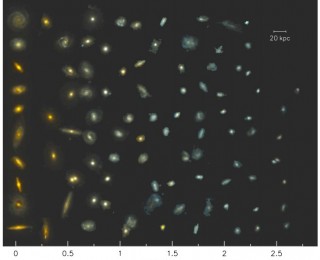
The central question of this Letter is how and when the Milky Way assembled its stellar mass. This issue is addressed by tracing the formation history of spiral galaxies which closely resemble the Milky Way.
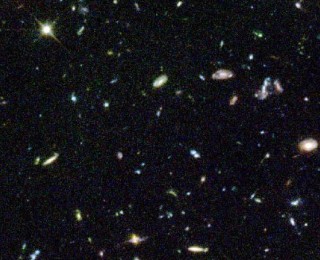
To accurately model the universe, we need large surveys of its content and behavior. But how can we be sure that our surveys are a representative snapshot of the universe as a whole? In this post we tackle the problem of cosmic variance.
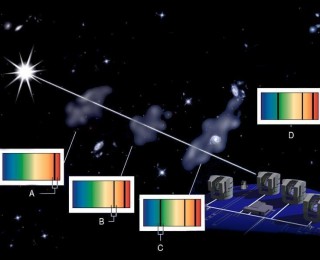
When the light from a distant quasar finally arrives at Earth, it often carries far more information than it did when it was emitted – the shadows of gas and galaxies that have intervened over the cosmic distances between us and the source. These features can tell us how the universe evolves in both space and time, by allowing us to sample both low and high redshifts for structures that would not otherwise be visible. This paper uses a new IR spectrograph, FIRE, deployed on the Magellan 6.5 m telescopes, to present the first high-redshift sample of Mg II absorption systems, including the most distant Mg II system yet found (z = 5.33). The authors show that the number of strong Mg II systems appears to peak and decline in number along with the star formation history of the universe, suggesting a correlation between the two, while weak Mg II systems stay mysteriously constant.
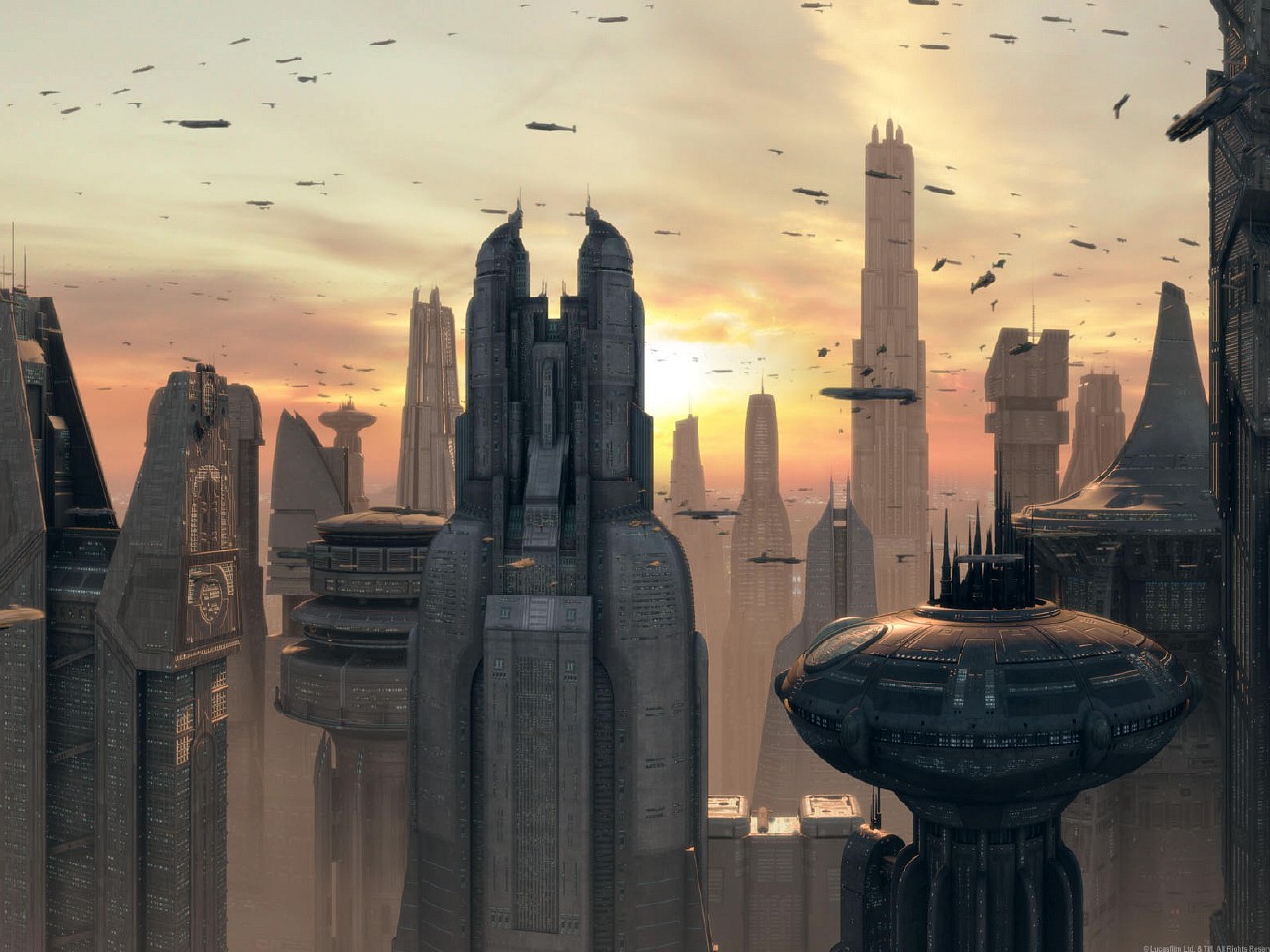
Could we detect extra-terrestrial civilizations at the edge of our solar system? These authors say yes, if they turn on the lights!