by Elisabeth Newton | Aug 18, 2011 | Personal Experiences
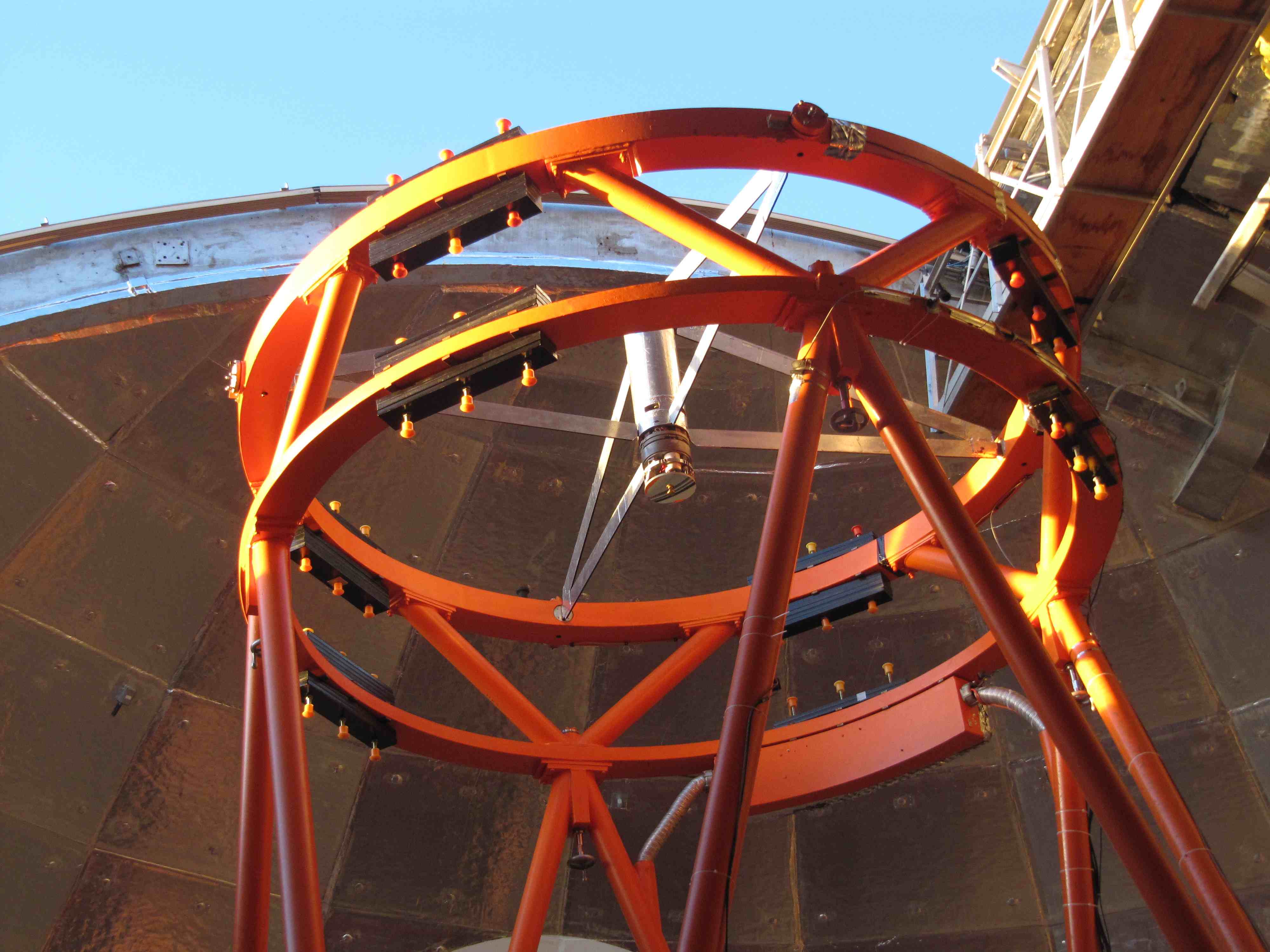
Dawn is beautiful and clear in Cambridge, Mass and I’m sitting in my office starting at the night sky, hoping the clouds will clear. I’m finishing up my last night of remote observing on the Infrared Telescope Facility (IRTF), which lives atop Mauna Kea in Hawaii.
by Elisabeth Newton | Aug 17, 2011 | Daily Paper Summaries
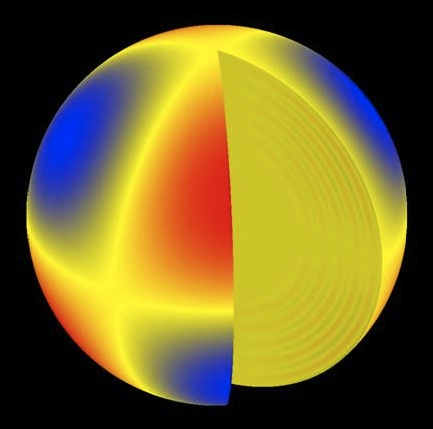
If there’s one type of star you’d think astronomers would know a lot about, it’s probably solar-type stars. After all, humans have been staring at our very near neighbor for millennia and in the recent century have dedicated entire space missions to studying this archetype. But there is always more to be learned and new tools like asteroseismology continue to open up avenues of study previously closed.

by Caroline Morley | Aug 16, 2011 | Daily Paper Summaries
Instead of looking at a paper of recent scientific results published on the arXiv, we’re going to talk about the arXiv itself. Sunday was the twentieth anniversary of the first submission to the predecessor of arXiv.org, the preprint server that all use so often today. Paul Ginsparg, the developer of the arXiv, wrote a fascinating article recognizing how the way that scientists share information and publications has changed incredibly over his lifetime.

by Guest | Aug 15, 2011 | Career Navigation
We again have the pleasure of having John Johnson write today on astrobites. We were curious to get his opinion on several topics; in this first post, he’ll answer our questions about life in graduate school. We asked what he wished he’d known going into graduate school, how he balanced work and life, and what he did in grad school that he thinks were beneficial later on.
by Nathan Goldbaum | Aug 14, 2011 | Daily Paper Summaries
In this paper, the author proposes that the departure from this simple scaling with mass arises because of a simple fact: the natal molecular cloud must first fragment into clumps, which must in turn fragment into stars.
