by Ruth Angus | Apr 2, 2015 | Daily Paper Summaries
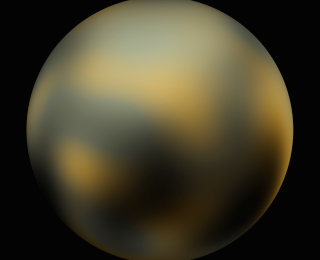
In July of this year (2015), NASA’s New Horizons mission will fly past Pluto and its moons. It will map the surface of the Plutonian system in unprecedented detail, revealing craters and other surface features for the first time. In preparation for the deluge of newly discovered craters, mountains, crevasses and other surface features, Mamajek et al. discuss a naming system for Pluto and its moons.
by Natasha Batalha | Apr 1, 2015 | Daily Paper Summaries
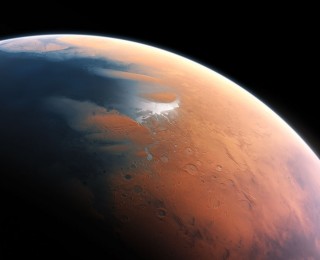
For years we have observed the compelling fluvial features on the Martian surface. How did they get there? Was there a large ocean? Check out the very first measurements of how much water once flowed on Mars 4.5 billion years ago.
by Michael Küffmeier | Mar 31, 2015 | Daily Paper Summaries
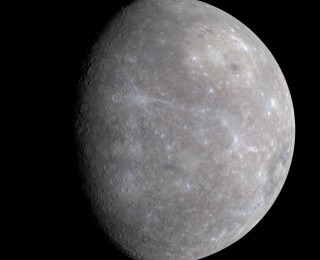
Mercury is the smallest planet in the Solar System, but some of its properties are a big challenge to explain. Today’s Astrobite presents a solution to one of these issues: The darkening of Mercury is induced by a high abundance of carbon delivered by meteorites.
by Becky Smethurst | Mar 26, 2015 | Daily Paper Summaries
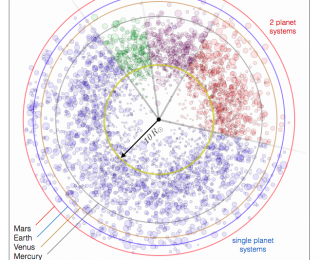
Our Solar System is just plain odd compared to other star systems across our galaxy. Once again the finger of blame points towards the gas giant Jupiter as the simulations in this paper show.
by Caroline Huang | Mar 24, 2015 | Daily Paper Summaries
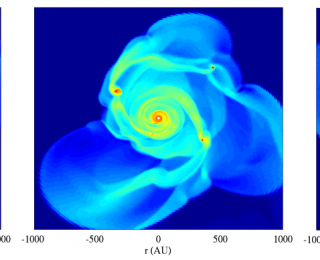
The first stars may have formed in clusters, rather than in isolation as previously thought. What would these clusters look like?
by Meredith Rawls | Mar 20, 2015 | Daily Paper Summaries
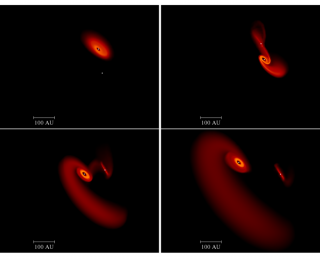
You can’t model RW Aurigae as a single star with a disk of material around it, because there is a second star. And you can’t model it as a regular old binary system either, because there are interactions between the stars and the asymmetric disk. The authors of today’s paper create a comprehensive hydrodynamic model that considers many different observations of RW Aurigae.
