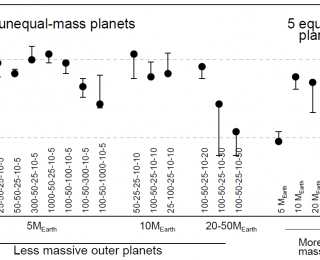
Can Planets Maintain Vega’s Debris Disks?
Vega’s system of debris disks can be explained by a series of planets that constantly transport material inwards towards the star.

Vega’s system of debris disks can be explained by a series of planets that constantly transport material inwards towards the star.
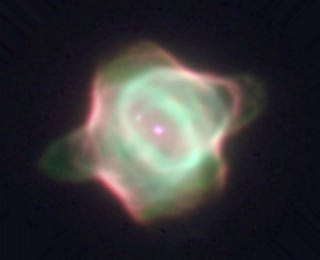
How can a star heat up by 40,000 K in just 30 years? Reindl et al. explore the star at the heart of the Stingray Nebula to find out.
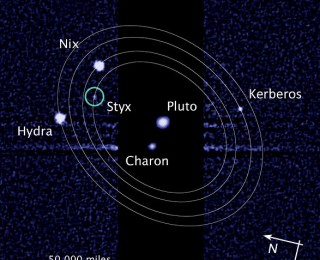
Pluto’s small satellites have very low escape velocities, which means that dust kicked up by impacts has a relatively easy time of escaping rather than settling back down to the little moon’s surface. Today’s paper looks at the fates of that dust.
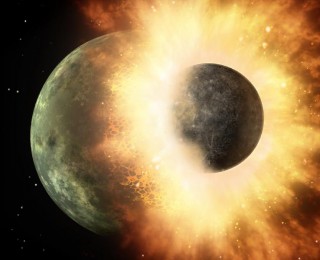
How do giant planets affect the water content of rocky planets in habitable zones? Astronomers have run new planet formation simulations to try to answer this question.
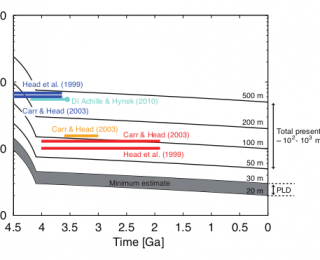
Even though we can’t see any liquid water on Mars today, we can still examine the history of water loss on the Martian surface.
Supermassive black holes are everywhere in our Universe, but we don’t know where they came from. Supermassive stars could have given birth to these massive objects. However, that is not all these fifty to one hundred solar mass stars could be responsible for…